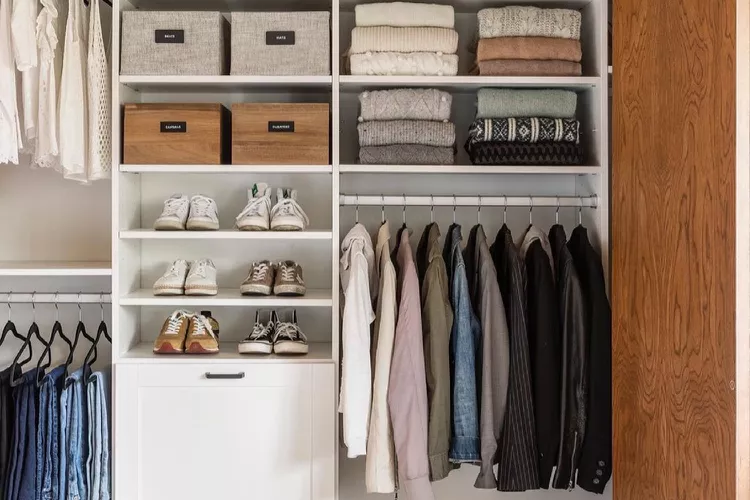
Your storage closet is supposed to save you time and space, not bury you in forgotten clutter. If it is crammed with mystery boxes, half-broken gear, and things you have not touched in years, it is quietly draining your energy every time you open the door. Use this month as a reset: target the worst offenders, clear them out, and reclaim that square footage for items you actually use.

1) Expired Cleaning Products
Expired cleaning products are one of the most common space wasters hiding in a storage closet. Bottles of all-purpose spray, bleach, wood polish, or disinfecting wipes lose effectiveness over time, so keeping them does not actually make your home cleaner. Professional organizers often recommend checking printed “best by” dates and tossing anything that is clearly past its prime, leaking, or separated into odd layers. According to guidance on seasonal decluttering, September is a smart moment to sweep through utility shelves and remove products that no longer work as intended.
Holding on to expired cleaners also creates safety risks, especially if you have children or pets. Old chemicals can corrode their containers, mix in unpredictable ways, or release fumes when stored in hot, cramped closets. Clearing them out reduces the chance of spills and frees up room for a streamlined set of products you actually reach for each week. As you purge, make a short list of the few essentials you truly need, then store them together in a labeled caddy so you can grab everything in one trip instead of rummaging through a jumble of half-empty bottles.
2) Dried-Up Paint Cans and Stain
Dried-up paint cans and stain containers tend to linger in storage closets long after a project ends. Once the contents have thickened, separated, or formed a solid skin that will not stir smooth, they are no longer usable for touch-ups. Organizing experts often advise keeping only clearly labeled cans that match current wall colors and are still in good condition, and discarding the rest. If you cannot remember which room a color belongs to, or the label is missing entirely, that can is just taking up valuable shelf space that could hold tools you actually use.
Old paint also raises environmental and safety concerns when it is stacked haphazardly in a closet. Rusting lids can leak, and solvent-based products can release strong odors in a confined area. Instead of letting them sit, check local guidelines for hazardous waste collection so you can dispose of them responsibly. Once you have edited the stash, decant the remaining good paint into smaller, clearly marked containers. This simple step cuts down on clutter, makes future touch-ups easier, and prevents you from buying duplicate gallons because you could not see what you already owned.
3) Broken or Single-Use Small Appliances
Broken or single-use small appliances often migrate from the kitchen to a storage closet, where they quietly hog shelves. Think of the waffle maker with a frayed cord, the smoothie blender that no longer locks properly, or the novelty popcorn machine you used once. Professional organizers frequently flag these items as prime candidates for a clean-out, because they are bulky, awkward to store, and rarely worth repairing. If an appliance has been waiting more than a year for a fix, or you have to remind yourself what it even does, it is time to let it go.
Keeping these gadgets “just in case” has real costs. They crowd out everyday essentials like paper towels, bulk pantry items, or cleaning tools that actually support your routines. They also make it harder to see what you own, which can lead to buying yet another gadget that solves the same problem. Instead, decide which multi-tasking appliances you truly rely on and give those prime storage spots. Donate working extras, recycle broken pieces where possible, and reserve your closet for items that earn their footprint by being used regularly.
4) Outgrown or Unused Sports Equipment
Outgrown or unused sports equipment is another category that tends to pile up in storage closets. Old soccer cleats, too-small helmets, deflated basketballs, and dusty yoga mats often linger long after a season or hobby ends. Organizing pros consistently recommend sorting gear by current activities and sizes, then removing anything that no longer fits or supports how you live now. If no one in your household has played tennis in years, there is little reason to keep a stack of warped rackets and cracked balls wedged behind the door.
Holding on to this gear can block access to items you actually need, like luggage, folding chairs, or emergency supplies. It also makes it harder to see when a child has outgrown essential safety equipment, such as bike helmets or pads, because the old versions are still mixed in. Once you have identified what is truly obsolete, look for local donation programs, community centers, or buy-nothing groups that accept gently used equipment. Clearing out the backlog not only opens up space but also makes it easier to grab the right gear quickly when you are heading out the door.
5) Frayed Linens and Old Towels
Frayed linens and old towels often get demoted from the bathroom or bedroom to a storage closet, where they accumulate in teetering stacks. Once towels are threadbare, stained, or permanently musty, they are no longer pleasant to use for guests or daily showers. Many organizing checklists suggest keeping only a modest number of high-quality sets per person and removing the rest. If you have to dig through piles of faded beach towels and mismatched washcloths to find a decent set, your closet is overdue for a linen audit.
There are better uses for that shelf space than housing fabric you avoid using. Retire the worst pieces to a small “rags” bin for messy projects, then recycle or donate what you reasonably can through textile programs that accept worn items. With the excess gone, you can fold remaining linens uniformly and store them in labeled bins or baskets. This not only looks neater but also makes it easier to track when you truly need replacements, instead of assuming you are well stocked because the closet is overflowing with fabric you never reach for.
6) Mystery Cords, Chargers, and Tech Accessories
Mystery cords, chargers, and tech accessories are notorious clutter culprits in storage closets. Tangles of USB cables, outdated phone chargers, and random adapters often end up tossed into bins “just in case,” even when the devices they belonged to are long gone. Professional organizers frequently advise matching every cord to a current device and discarding the rest. If you cannot identify what a cable powers within a few minutes, or it fits technology you no longer own, it is effectively useless clutter taking up drawer and shelf space.
Keeping these items has hidden costs, from wasted time untangling knots to the frustration of not finding the one charger you actually need. Instead, create a small, clearly labeled tech kit with only the essentials, such as a universal power strip, a couple of current charging cables, and backup batteries. Recycle the rest through electronics programs that accept cords and accessories. This simple edit makes your storage closet more functional and reduces the risk of damaged or unsafe cables being pressed back into service out of desperation.
7) Duplicated Household Tools
Duplicated household tools often accumulate in storage closets after moves, DIY projects, or impulse hardware purchases. You might have three tape measures, multiple hammers, or several nearly identical screwdrivers scattered across bins and boxes. Organizing experts commonly recommend consolidating tools and keeping only the best version of each type, especially if you are not a frequent builder. If you can complete most home tasks with a single, well-stocked toolbox, there is little benefit to hoarding extra, lower-quality duplicates that only add visual noise.
Excess tools can also create safety issues when sharp items like utility knives, loose drill bits, or open boxes of nails are buried in clutter. By editing down to one primary set and storing it in a sturdy, labeled container, you make it easier to tackle repairs quickly and safely. Any remaining duplicates in good condition can be donated to community workshops, school theater departments, or neighbors who are just starting to build their own tool collections. The result is a closet that supports home maintenance instead of turning every small fix into a scavenger hunt.
8) Old Party Supplies and Disposable Tableware
Old party supplies and disposable tableware tend to linger in storage closets long after the celebrations end. Half-used packs of themed napkins, bent paper plates, crumpled plastic tablecloths, and faded banners often get shoved into corners “for next time.” Organizing guidance on closet clean-outs frequently highlights these leftovers as low-stakes items to purge, because they are inexpensive to replace and rarely match future events. If you would be embarrassed to set them out for guests, they do not deserve prime storage space.
Keeping these odds and ends can also hide the supplies you actually want to use, such as neutral white plates or sturdy serving pieces. Instead of storing every leftover, decide on a simple, flexible color palette for future gatherings and keep only items that fit it. Recycle or discard the rest, especially anything warped, stained, or brittle from age. With the clutter gone, you can dedicate a single bin to party basics and know exactly what you have on hand when the next birthday or holiday rolls around.
9) Unused Home Décor and Frames
Unused home décor and picture frames often migrate to storage closets when you change your style or move furniture around. Vases that no longer match your color scheme, chipped figurines, and stacks of empty frames can quickly fill shelves. Professional organizers typically suggest evaluating each piece by asking whether you would buy it again today. If the answer is no, or you have not displayed it anywhere in over a year, it is a strong candidate for donation or resale rather than indefinite storage.
Holding on to these items can stall decorating decisions, because the closet becomes a graveyard of “maybe someday” pieces. Instead, curate a small, intentional collection of décor you truly love and rotate those items seasonally. Everything else can be passed along to secondhand shops or online marketplaces where someone else might appreciate it. This approach not only frees up space but also clarifies your current style, making it easier to say yes only to décor that fits your home now instead of clinging to pieces from past phases.
10) Bulky Packaging and Empty Boxes
Bulky packaging and empty boxes are some of the most obvious, yet stubborn, storage closet offenders. Appliance cartons, shoe boxes, and shipping materials often get saved “just in case,” then forgotten. Organizing advice in features on items to get rid of frequently calls out these boxes as instant wins, because they take up significant volume without providing real value. Unless a box is needed for an active return or has clear resale value for high-end electronics, it is usually safe to break it down and recycle it.
Keeping stacks of cardboard also invites dust and can attract pests, especially in closets that are rarely opened. By clearing out this packaging, you immediately reclaim floor and shelf space for items that actually need protection, such as seasonal décor or emergency kits. If you like having a few boxes on hand for future moves or gifts, limit yourself to a small, defined number and nest them together. This simple boundary prevents the closet from turning into a secondary recycling bin and keeps your storage area focused on long-term essentials.
11) Expired Pantry Staples and Snacks
Expired pantry staples and snacks often spill over from the kitchen into a nearby storage closet or utility pantry. Cans of soup past their “best by” dates, stale crackers, and forgotten baking mixes can linger for years if they are tucked behind bulk purchases. Organizing professionals routinely recommend pulling everything out, checking dates, and discarding anything that is clearly expired or compromised. This is especially important for items like oils, nuts, and whole grains, which can turn rancid and affect the taste and safety of your cooking.
Letting old food accumulate has broader implications for both your budget and food waste. When shelves are crowded with outdated items, it is harder to see what you actually have, which can lead to buying duplicates or overstocking. After you clear the expired goods, group remaining foods by category and store them in clear bins or labeled baskets. Place items with the nearest expiration dates at the front so they get used first. This simple reset turns your storage closet into a functional extension of your kitchen instead of a dumping ground for forgotten groceries.
12) Seasonal Items You Never Use
Seasonal items you never use, such as extra holiday décor, camping gear, or beach accessories, can quietly dominate a storage closet. If certain boxes have not been opened for several years of holidays or summers, they are strong candidates for a thoughtful edit. Organizing advice tied to early fall clean-outs often encourages people to reassess these categories at the end of a season, when it is clear what actually came out of storage and what stayed put.
Keeping unused seasonal items has ripple effects throughout your home, because it crowds out the gear you do rely on, from snow shovels to suitcases. Instead of defaulting to “maybe next year,” decide whether each item truly fits your current lifestyle, climate, and traditions. Donate or sell what no longer does, then store the remaining seasonal pieces in clearly labeled bins by activity or holiday. With the excess gone, your storage closet becomes a practical staging area for the year’s rhythms, not a long-term holding pen for things you have already outgrown.
More from Willow and Hearth:
Leave a Reply