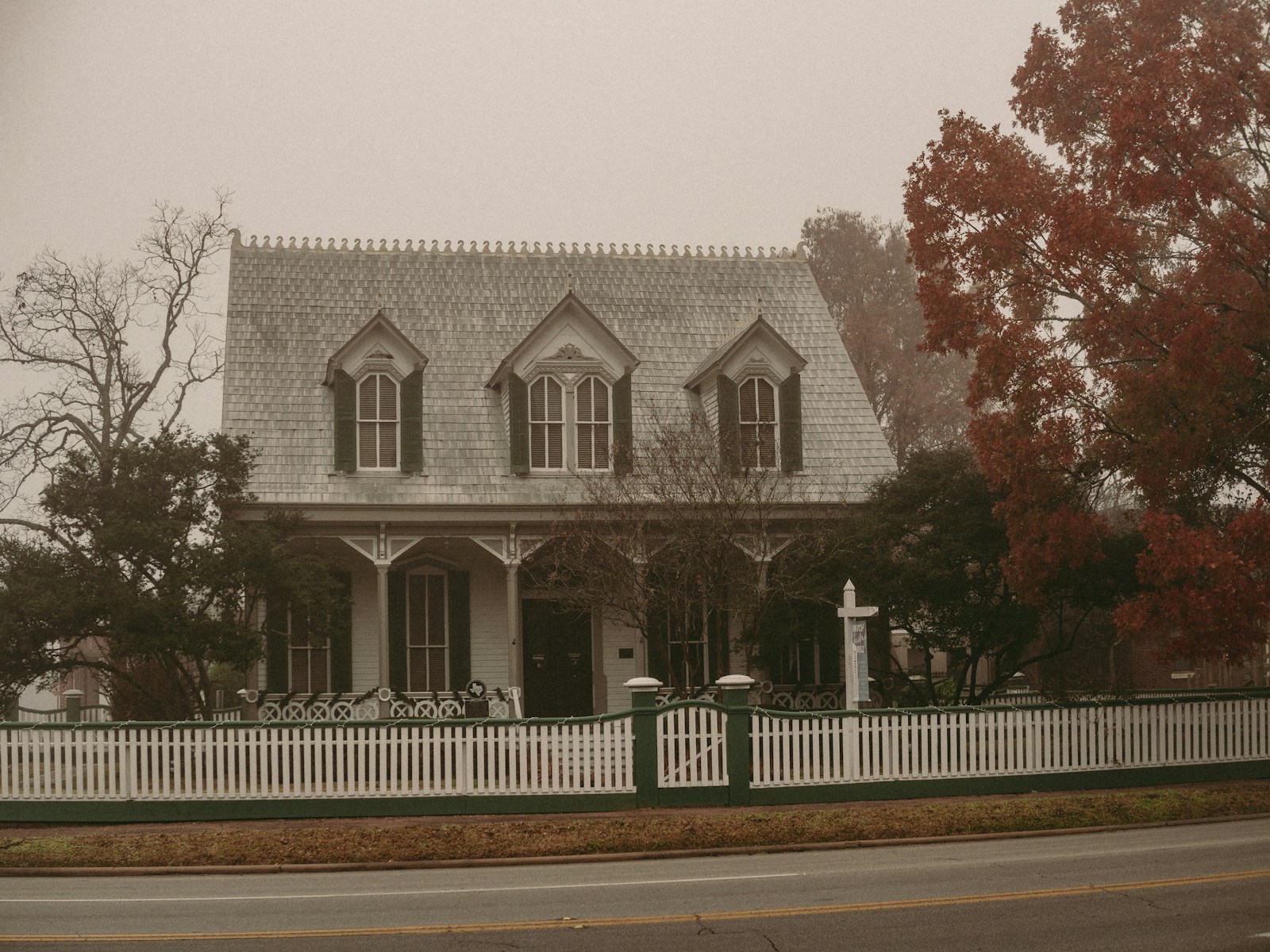
From tall windows to intricate trim, 1800s homes offer a kind of charm that modern construction rarely attempts. Their details are not just pretty, they shape how people live, gather, and even move across the country. These twelve features show how historic houses turn everyday routines into something quietly special.
1) Incentive Programs for Historic Relocation
Incentive programs for historic relocation reveal how much communities value 1800s homes. Some towns and small cities are so eager to see their older housing stock restored that they offer cash grants, tax abatements, or subsidized renovations to buyers of qualifying properties. Reporting on homes where they’ll shows how local governments and development agencies use direct payments and low-interest loans to attract residents willing to take on aging, character-filled houses.
For homeowners, these incentives can offset the cost of repairing slate roofs, original wood windows, or hand-carved staircases that would be prohibitively expensive in a new build. For towns, every restored 1800s home stabilizes a block, supports local trades, and preserves a visible link to their own founding era. The financial perks are modern, but the payoff is the survival of details like stone foundations and deep front porches that define nineteenth-century domestic life.
2) Quintessential Neighborhood Integration
Quintessential neighborhood integration is one of the quiet luxuries of 1800s housing, and the area described in coverage of Strathmore shows how that works in practice. Streets lined with period homes are laid out for walking, not speeding traffic, so front steps sit close to sidewalks and neighbors naturally talk across low fences. Mature trees, narrow blocks, and small commercial corners make it easy to run errands on foot and still feel rooted in a residential setting.
In these environments, the architecture and the street plan are inseparable. Bay windows face parks, wraparound porches overlook intersections, and carriage-era alleys now serve as shared back-lane access. For residents, that means daily life unfolds in a setting where the 1800s design logic still shapes social patterns, from kids walking to school together to block-wide porch gatherings in the evening.
3) Economic Draws for Period Preservation
Economic draws for period preservation build on the same financial logic as relocation incentives but focus on keeping original details intact. Programs highlighted in coverage of homes where they’ll often tie grants or tax credits to specific restoration work, such as repairing ornate facades, replacing missing cornices, or restoring wooden shutters. The money is not just for occupancy, it is for craftsmanship.
That approach turns gingerbread brackets, stone lintels, and decorative brickwork into economic assets rather than liabilities. Homeowners who might otherwise strip away “fussy” trim to save on maintenance costs have a reason to keep it, while local contractors gain steady work in traditional trades. Over time, these incentives help entire streets retain their 1800s character, which in turn can raise property values and attract heritage tourism.
4) Iconic District Namesakes
Iconic district namesakes, such as the historic area known as Strathmore, show how 1800s planning still shapes identity. These names often date back to the original subdivision or early marketing of the neighborhood, when developers promoted tree-lined streets, generous lots, and cohesive architectural styles. Over time, the name becomes shorthand for a certain kind of house, usually with tall ceilings, detailed woodwork, and formal entry halls.
For buyers, saying they live in a district like this signals more than a location, it suggests a lifestyle built around historic streetscapes and long-established community institutions. The name can help protect the area from insensitive redevelopment, because residents rally around preserving what makes the district recognizable. That shared identity keeps 1800s homes from being isolated relics and instead turns them into anchors of a living, named place.
5) Elevated Urban Lifestyle Quotes
Elevated urban lifestyle quotes, such as descriptions of “city living at its finest,” capture how 1800s homes can feel surprisingly tailored to modern expectations. Reporting on Strathmore uses that phrase to describe a neighborhood where historic houses sit within easy reach of parks, schools, and transit, yet still offer private yards and generous interior space. Those words fit many nineteenth-century layouts, which often include double parlors, formal dining rooms, and wide staircases that suit contemporary entertaining.
Inside, details like tall windows, transoms, and central halls create natural light and airflow that feel luxurious compared with compact new construction. When residents talk about “city living at its finest” in these homes, they are really describing how old design solutions still support flexible work-from-home setups, multigenerational living, and social gatherings. The phrase becomes a shorthand for the way 1800s architecture quietly anticipates twenty-first-century needs.
6) Timeless Aesthetic Allure
Timeless aesthetic allure is perhaps the most immediately noticeable feature of 1800s homes, and it is often summed up with a single word: charming. That charm comes from elements like gingerbread trim, turned porch posts, and high ceilings that give even modest houses a sense of drama. Unlike many contemporary builds, these homes were designed with street-facing ornament, so passersby see stained glass, patterned shingles, and decorative brackets before they ever reach the front door.
Inside, original moldings, paneled doors, and carved newel posts create a visual rhythm that makes rooms feel finished even when they are sparsely furnished. For owners, this built-in character reduces the need for trendy décor and encourages restoration rather than replacement. The aesthetic appeal also has market consequences, since buyers often pay a premium for intact period details that cannot be replicated cheaply with modern materials.
7) Community-Focused Locales
Community-focused locales, such as the historic Syracuse neighborhood of Strathmore, show how 1800s-era planning encourages social connection. Many of these areas feature shared green spaces, small parks, and tree-lined medians that function as informal gathering spots. Houses are set close enough to the street that porch conversations feel natural, yet lots are deep enough to allow private gardens and play areas behind the homes.
That physical layout supports neighborhood associations, block parties, and volunteer efforts to maintain historic features like stone entry pillars or original street lamps. Residents benefit from a built-in support network, whether they are swapping tools for restoration projects or organizing local events. The result is a community where the architecture and the social fabric reinforce each other, making the 1800s streetscape feel both lived-in and cared for.
8) Financial Rewards for Vintage Appeal
Financial rewards for vintage appeal build on the idea that 1800s details are not just pretty, they are valuable. Programs described in coverage of homes where they’ll often highlight how buyers can receive direct payments or tax breaks for choosing older housing stock. Those incentives effectively put a price on features like pocket doors, intricate staircases, and original hardwood floors that would cost far more to reproduce in new construction.
For local governments, steering newcomers toward historic homes helps fill vacancies and stabilize neighborhoods without building from scratch. For buyers, the combination of lower purchase prices and financial bonuses can make a once-daunting restoration project feasible. Over time, the market begins to recognize that vintage elements are not obstacles but assets, encouraging more sensitive renovations and discouraging gut rehabs that erase nineteenth-century character.
9) Discovery of Refined Living
The discovery of refined living often happens the first time someone steps into an 1800s home and notices details they did not know they wanted. Phrases like “Find city living at its finest,” used in descriptions of Strathmore, capture that moment when buyers realize how features such as transom windows and butler’s pantries quietly upgrade daily routines. Transoms bring borrowed light into interior halls, while pantries provide dedicated storage and prep space that modern open-plan kitchens often lack.
These elements reflect a nineteenth-century focus on service and circulation, with back staircases, discreet work areas, and formal front rooms. Today, those same spaces adapt easily to home offices, hobby rooms, or organized food storage. The refined feeling comes not from luxury finishes but from thoughtful separation of functions, which makes even small houses feel orderly and gracious.
10) Localized Historic Enchantment
Localized historic enchantment shows up most clearly on the porches and corners of 1800s streets, especially in places described as being “in this charming Syracuse neighborhood.” Wraparound porches, a hallmark of many nineteenth-century houses, turn the edge of the home into an outdoor living room. Residents can sit in shade, watch street life, and greet neighbors without leaving their property, blurring the line between private and public space.
These porches often feature turned balusters, decorative railings, and sometimes built-in benches, all of which contribute to the sense of enchantment at eye level. For families, they provide safe play areas and flexible space for gatherings, from quiet morning coffee to evening conversations. The cumulative effect along a block is powerful, creating a continuous band of human-scaled architecture that makes the entire neighborhood feel welcoming.
11) Contemporary Value in Old Designs
Contemporary value in old designs becomes clear when buyers realize how many 1800s features align with current tastes. Reporting on homes where they’ll underscores that incentives often target properties with intact stained glass, tiled fireplaces, and detailed mantels. These elements now appear in high-end new builds as expensive add-ons, yet they come standard in many nineteenth-century houses.
Beyond aesthetics, thick plaster walls, tall windows, and central halls support energy efficiency upgrades and flexible room uses. Homeowners can integrate modern systems while keeping the visual warmth of original materials. As more people work remotely and seek distinctive spaces, the market increasingly rewards these old design choices, proving that 1800s builders solved problems that still matter today.
12) Holistic Period Community Experience
A holistic period community experience emerges in places like Strathmore: Find ‘city, where individual 1800s homes and the surrounding streetscape work together. Features such as widow’s walks, decorative cornices, and varied rooflines create a skyline that feels intimate and textured rather than uniform. From the sidewalk, each house offers a slightly different silhouette, yet shared materials and proportions tie the block together.
Living in such an area means experiencing history not as a museum piece but as a daily backdrop. Residents walk past original stone walls, climb worn porch steps, and look out over tree canopies framed by period windows. The combination of architecture, layout, and community life delivers the kind of charm that only neighborhoods rooted in the 1800s can provide, turning ordinary routines into encounters with enduring design.
More from Willow and Hearth:
Leave a Reply