Your neighbor’s maple might give you shade, but it can also give you headaches when roots crack your driveway or branches scrape your roof. Property lines do not stop trees, yet the law draws some surprisingly sharp lines about what you can and cannot do in response. Before you grab a chainsaw or a lawyer, it helps to know where your rights end and your neighbor’s begin.
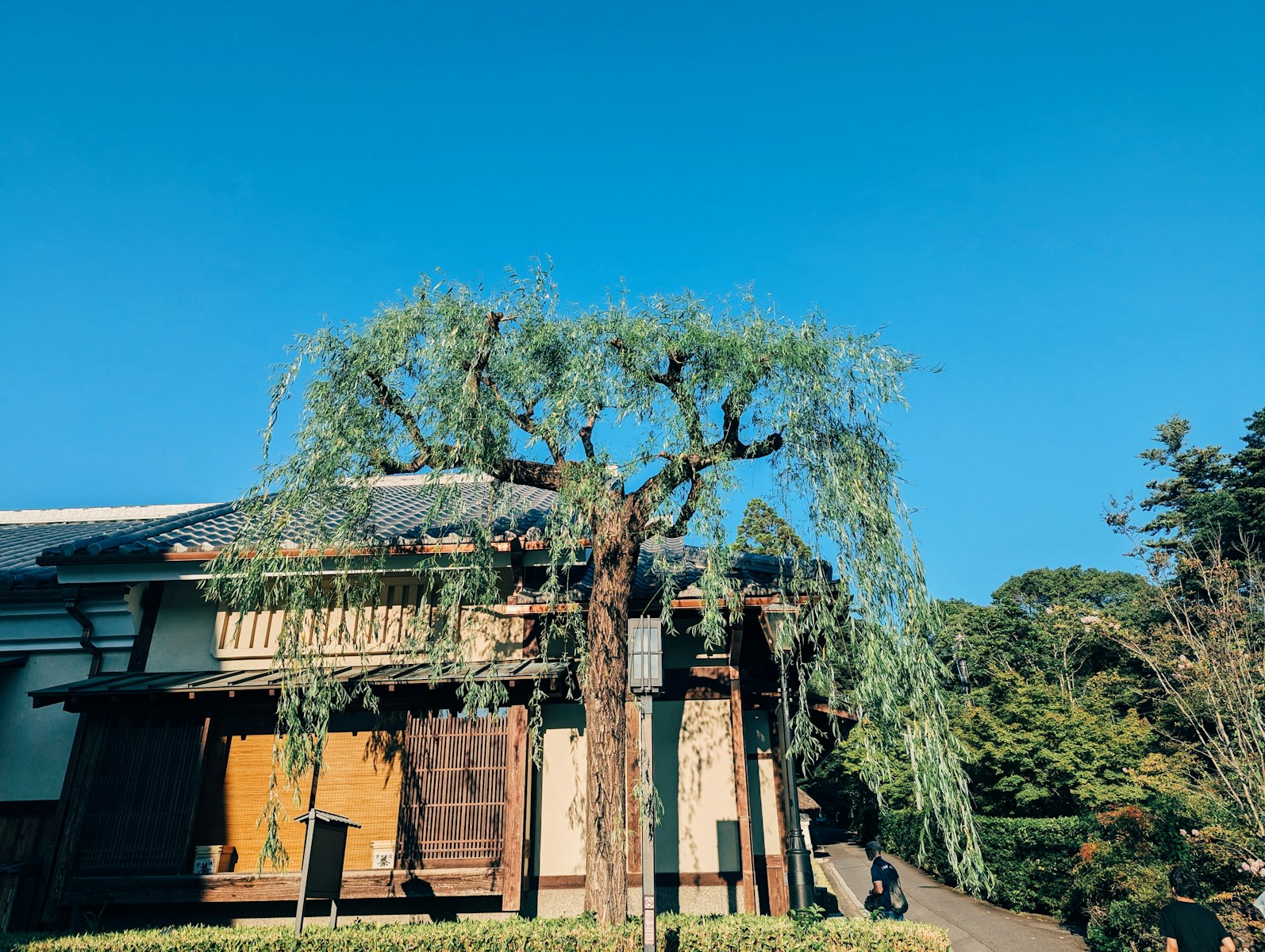
Most states follow some version of what courts call the “Massachusetts Rule,” which treats trees as a shared fact of life rather than a guaranteed lawsuit every time a limb falls. That basic idea shapes what you are allowed to trim, when you are stuck using your own insurance, and when a neighbor can actually be on the hook for damage.
What You Can Do On Your Side Of The Line
The starting point is simple: you usually have the right to cut branches and roots that cross onto your land, as long as you stay on your side of the boundary. In Massachusetts, guidance on Can you trim a neighbor’s tree explains that you can remove overhanging limbs back to the property line, but you cannot step into their yard or damage the tree itself. Tree services echo that approach, noting that Massachusetts law generally lets you cut encroaching growth while warning that aggressive pruning that kills the tree can still land you in court. Practical advice from arborists is to hire a pro if you are anywhere near the trunk or major structural limbs, because you are responsible if your trimming causes the tree to fail.
That right to self help is baked into local doctrine on branches over the property line, often described as the “Massachusetts Rule.” Under that rule, if a healthy tree stands on your neighbor’s land and its branches or roots annoy you, your remedy is to cut what crosses onto your parcel, not to demand that the neighbor remove the tree. A homeowner guide on Overhanging Branches explains that when limbs extend into a Neighbor’s Property, the person whose land is encroached can trim them, and that this applies to healthy trees. A companion discussion of Massachusetts Homeowner Responsibilities for Trees Encroaching drives home that if your tree crosses into a Neighbor’s Property, your neighbor can cut back to the line without paying you for the clippings.
When The Law Says “Hands Off” (And Who Pays When Things Fall)
Your rights stop where the trunk and ownership begin. If the tree’s base sits entirely on your neighbor’s lot, you cannot cut it down, poison it, or sneak into their yard to hack off limbs, even if you think it is ugly or dangerous. Consumer guidance on what You can trim stresses that your legal right is limited to what is physically over your property and that crossing the line or harming the tree’s health is not within your legal rights. A separate warning about neighbor disputes notes that, no matter how hazardous a tree looks, you are not allowed to march over and cut it down, and that sneaky tactics like tossing branches back into a neighbor’s yard are, as one guide puts it, the kind of thing that, But that is likely to get you in hot water with the neighbors and the law.
Liability gets especially confusing when a storm hits and a trunk or big limb comes crashing down. Under the Massachusetts Rule, courts have treated healthy trees as a natural condition, which means a neighbor is usually not liable if a sound tree falls in a storm. A key decision in Rowell, cited as 480 M, 106, 112, reaffirmed that a property owner is generally not responsible for damage from a healthy tree on their land. A summary of Background in Massachusetts tree law explains that the Court reaffirmed a long standing rule that the owner of the land where the tree stands is not automatically liable for any resulting damage. A homeowner explainer on Property Owner’s Responsibility notes that if a healthy tree falls due to weather, the affected neighbor typically turns to their own insurance, while a separate breakdown of who pays when a tree falls on your house spells out that, under Mass law, the fallen tree law in Massac holds the affected neighbor responsible for the costs incurred by the affected neighbor unless the tree was known to be hazardous.
There are limits to that protection. If a tree is clearly dead or rotting and the owner ignores complaints, liability can shift. A legal overview of In Ponte v. Dasilva, 388 M, 1008, describes how an abutter who had complained about a dangerous tree could pursue claims when the owner did nothing. Another analysis of What that Rowell ruling means for property owners explains that the Massachusetts Rule allows for liability when an owner knows or should know a tree is decayed and fails to act. A practical guide on General Rule notes that The Property Owner whose land the tree is on has Responsibility In Massachusetts to maintain obviously unsafe trees, and that ignoring visible rot or leaning trunks can turn a “no fault” storm event into a negligence claim.
Gray Areas: Boundary Trees, Out‑Of‑State Rules, And How To Keep The Peace
Some of the trickiest fights start when no one is sure who actually owns the tree. If the trunk straddles the property line, many states treat it as a “boundary tree,” which both neighbors effectively share. Arborist guidance explains that If the tree trunk sits on the property line, it is considered a boundary tree and you cannot remove or significantly damage it without your neighbor’s consent, with some states even allowing recovery of the tree’s replacement value. Public references to Trees in MGL c. 87 and other authorities (common law) also draw a line between private trees and public shade trees, noting that All trees within the public way or in the boundaries thereof are public shade trees that you cannot touch without municipal approval. On the private side, a statute on MGL c. 242, s. 7 sets out damages for cutting someone else’s trees without permission, which can multiply your liability if you decide to “solve” a dispute with a chainsaw.
Local custom also matters, and not every state follows Massachusetts exactly. A neighborhood discussion of the Massachusetts Rule in Kentucky Kentucky notes that Kentucky follows the Massachusetts Rule for healthy trees, so if the tree or branches fall from a healthy tree, you usually file a claim through your own insurance. Online forums like one where a user named Cobalt-Giraffe advises, “Check you local laws , but generally, if the tree was healthy, your neighbor will not be liable for damage,” capture how often people misunderstand that rule. Even homeowner explainers on Falling Trees and local pieces on Aug Massachusetts Homeowner Responsibilities for Trees Encroaching a Neighbor’s Property emphasize the same bottom line: document problems, talk to your neighbor early, and bring in a certified arborist or attorney before you escalate. If you treat the law as a backstop instead of a first move, you are far more likely to keep both your roof and your relationships intact.
More from Willow and Hearth:
Leave a Reply