Gardeners who treat January as the real start of the growing season tend to be the ones hauling in crates of produce by midsummer. While the beds outside may still look sleepy, this is the moment to tuck key crops into the ground and fire up seed trays indoors so they are ready to explode when warmth finally arrives. With a little planning now, an abundant summer harvest stops being a wish and starts looking like a schedule.
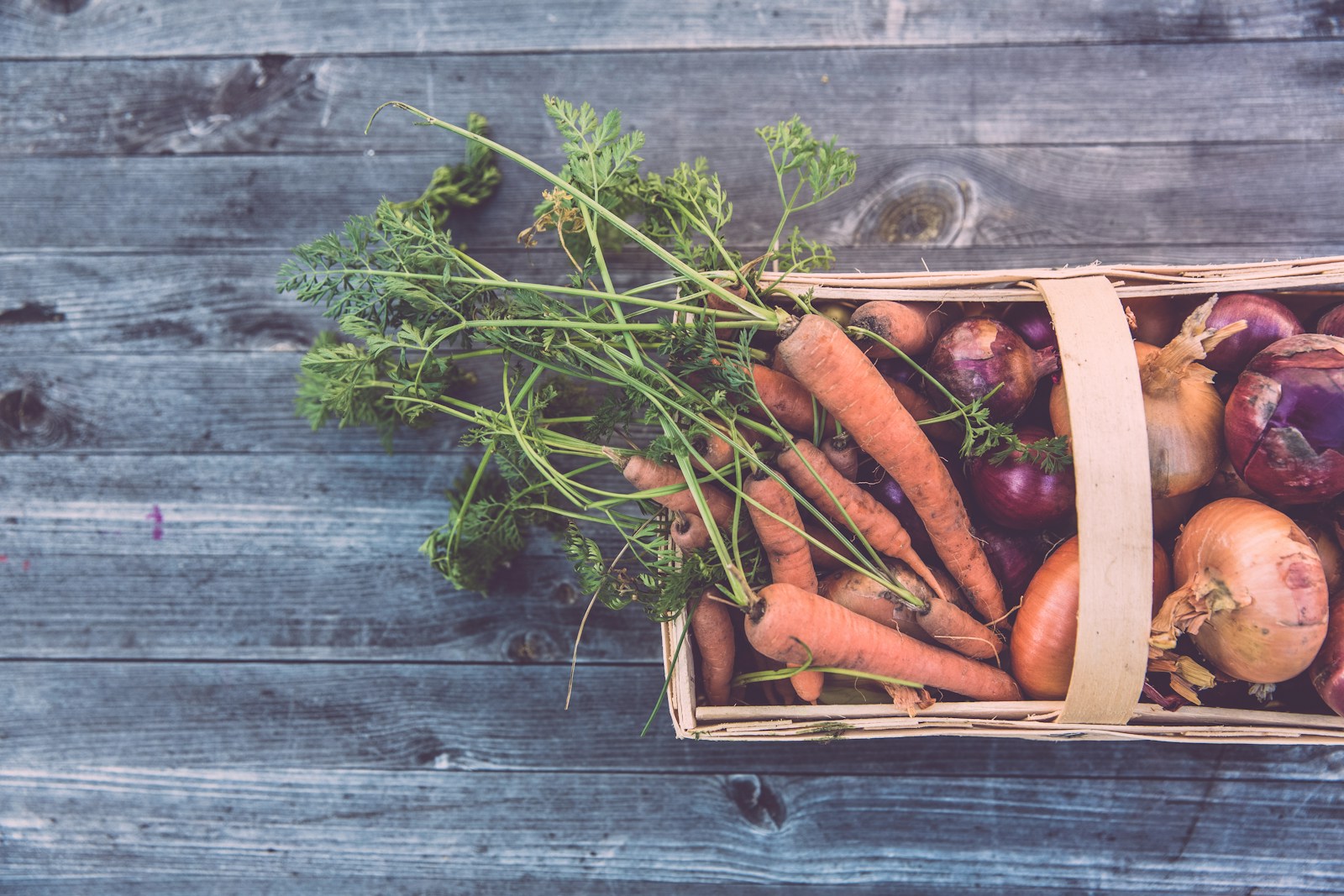
The trick is to match each crop to the right kind of January start, whether that is a clove, a tuber, or a tray of seedlings under lights. From Garlic and Potatoes to tomatoes and flowers that carry pollinators into the vegetable patch, the choices gardeners make in the cold months quietly decide how generous their plots will be when the days get long.
Garlic, Potatoes, and Other January Workhorses
For anyone chasing big flavor and big yields, Garlic is the first January non‑negotiable. Growers point out that this is the LAST window to plant Garlic, onions, and potatoes if the goal is a strong summer harvest, and they warn that if gardeners Miss this timing, Garlic will not size up properly and the rest of the rotation can lag behind LAST. In practical terms, that means getting cloves into workable soil now so roots can establish while temperatures are still cool, then letting the plants ride the lengthening days into bulb formation.
Cool season planning groups treat Garlic as a cornerstone of early year strategy, slotting it alongside other hardy crops that shrug off cold nights. One January discussion spells out how Garlic, as a member of the onion family, fits into a broader cool crop lineup that can be mapped out even while snow is on the ground, with members sharing how they use Jan to sketch beds and seed orders before the rush hits Jan. Potatoes get similar treatment in winter planning lists, where they are flagged as multi‑purpose staples that belong at the top of any vegetable garden ideas for the new year, complete with reminders that early planting helps them bulk up in time for their first spring and summer digs Potatoes.
Seedlings, Flowers, and Small‑Space Abundance
While the root crops settle in outside, January is prime time to start the plants that will dominate summer plates from the windowsill or grow shelf. Garden educators walk through how starting tomatoes and peppers indoors in mid to late winter gives them a crucial head start, listing tomatoes, sweet peppers, and hot or chili types among the Vegetable Seeds to Sow in the Mid to Late Winter window so they hit the garden with enough leaf mass to power serious production Vegetable Seeds. The same logic shows up in advice that starting a garden while the weather is still unsettled lets indoor seedlings build a strong leaf count before mid‑summer, so Once the soil is no longer a muddy mess, transplants can slide straight into their permanent homes and start fruiting on schedule Once the.
January is not only about vegetables, though, and smart growers use it to stack the deck with pollinator‑friendly blooms that keep bees and butterflies working their beds all season. Guides to winter sowing point out that Yes, You Really Can Sow These Flowers in January For an Abundance of Beautiful Blooms in spring and summer, highlighting hardy choices like coneflower that handle cold stratification and then surge once warmth arrives Yes, You Really. Seed houses lean into this timing, with January planting lists that mix herbs like Basil, Oregano, Parsley, and Thyme with ornamentals such as Daisies so gardeners can fill trays in one efficient session and then plug the results into beds and containers as soon as frost risk fades Popular Departments.
Soil Prep, Water, and Seed Sources That Pay Off Later
Behind every overflowing summer bed is a quieter January routine of cleanup and soil care. Urban growers describe how this is the month to Pick the last of summer’s bounty, clear tired plants, and refresh mulch so beds are reset before the next wave of planting Pick the. Winter task lists echo that rhythm, with experienced gardeners sharing January checklists that range from starting sweet potatoes to pruning and bed edging, all framed as must‑do jobs to keep the garden productive and on track for the rest of the year must do. The message is simple: the less chaos left in the soil now, the more energy can go into crops once planting ramps up.
Water planning also sneaks into the January agenda, and it matters more than it might seem on a rainy day. Garden coaches flag the moment as a smart time to Add a Rainwater Harvesting System, noting that Natural rainwater is softer than tap water and can be especially helpful for moisture‑loving plants that sulk when hit with hard mains supplies Add. Seed sourcing gets similar early attention, with small‑space specialists recommending companies like Johnny, Selected Seeds, High Mowing Seeds, Territorial Seeds, Seed Savers Exchange and Botanical Interests as reliable places to find varieties bred for productivity in tight quarters and well documented in their catalogs Johnny. Gardeners who want to go deeper into variety selection often turn directly to Botanical Interests for detailed seed packets and planning tools that help them match crops to their climate and space Botanical Interests.
Even in tougher climates, growers share that January is when they dial in trickier crops like celery, explaining how they transplant their celery after nurturing it through the cold so it can handle the season ahead celery. Others use Aug reflections on the growing season to remind themselves that the month to harvest big and reset beds comes around fast, so the choices made now about soil, water, and seedling timing will decide how satisfying that late summer cleanup really feels Aug. Taken together, the pattern is clear: those who treat January as a working month for Garlic, Potatoes, seedlings, flowers, and infrastructure are the ones most likely to enjoy the kind of summer harvest that has neighbors eyeing the fence.
More from Willow and Hearth:
Leave a Reply