Before you start tearing out cabinets, it helps to know exactly which kitchen layout fits your space and your lifestyle. These eight classic configurations show up again and again in remodels, from compact studios under 70 square feet to open-concept homes averaging 250 square feet, and each one shapes how you cook, hang out, and entertain.
1) One-Wall Kitchen
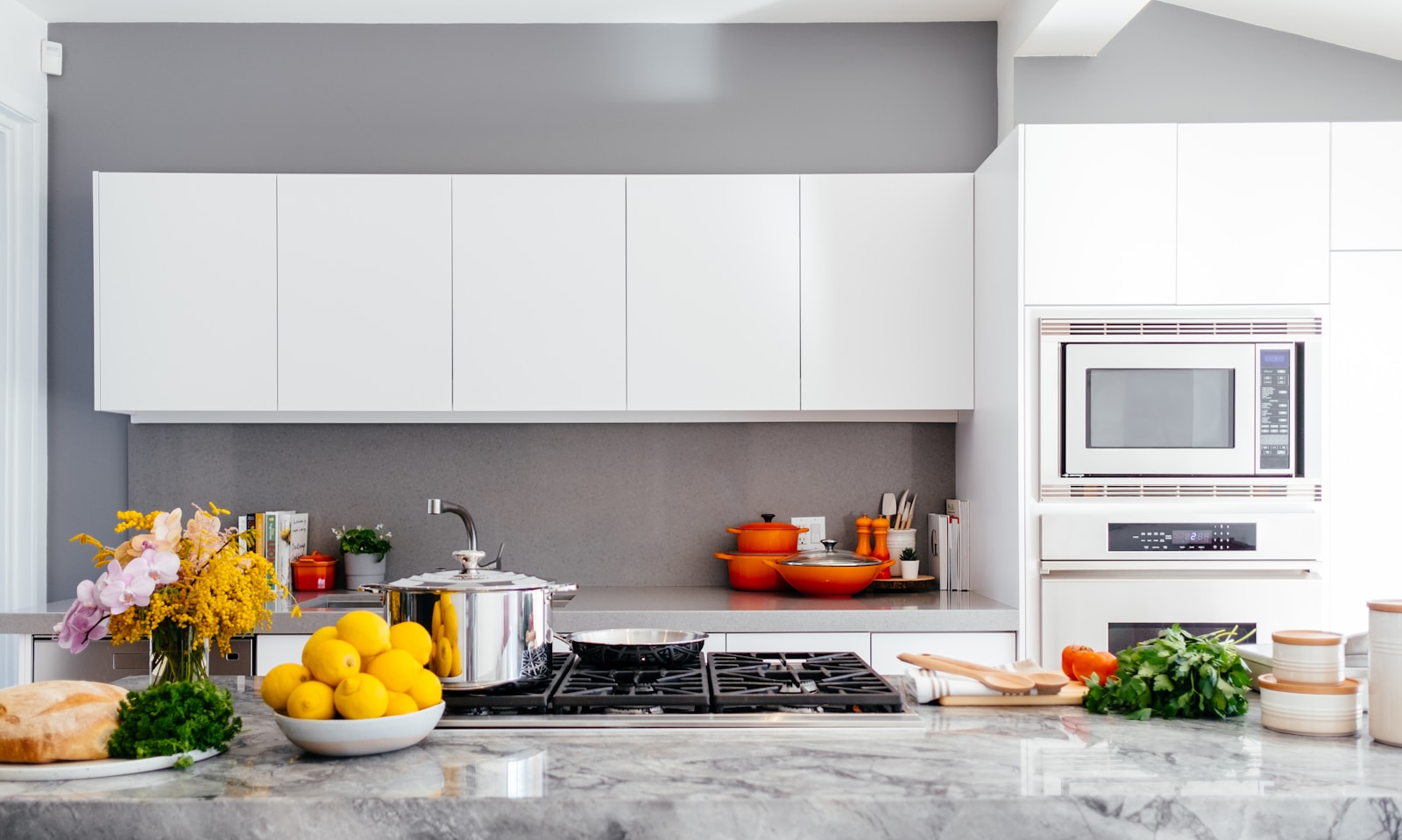
The one-wall kitchen, often called a single-wall or Pullman layout, lines up all your appliances and cabinets along a single stretch, which is why it works so well in spaces under 70 square feet. A 2022 Houzz survey found that 15% of remodels chose this setup for its streamlined workflow, since everything is right in front of you. The Single Wall Kitchen is trending for 2026, with everything arranged in a simple, linear run that keeps costs and complexity down.
Designers point out that while a one-wall kitchen technically anchors all appliances to one side, While you can still add built-in storage or a small island opposite to boost function. Guides on One-wall layouts note that this style can be surprisingly stylish in studios or lofts, especially when you treat the run of cabinets like a feature wall. Many pros recommend at least an 8‑foot length, and one source stresses that “Everything is right at your touch,” with the typical one-wall kitchen at least 8 feet long, according to Everything you need to know about this layout.
2) Galley Kitchen
The galley kitchen borrows its name and structure from 19th‑century ship designs, where cooks worked between two tight rows of cabinets. In a modern home, that translates to two parallel walls with a central corridor no wider than 48 inches, a dimension highlighted in a 2021 guide on kitchen layouts. That narrow passage keeps your work triangle tight, so you pivot instead of trekking across the room, which is why this layout shows up so often in urban apartments with serious space constraints.
The tradeoff is that a galley kitchen is not naturally social, since the cook is tucked between two runs and traffic can bottleneck fast. If you like to host, you may want to open one end or add a pass‑through so guests can connect without stepping into the work zone. For everyday life, though, the galley’s efficiency can be a big win, especially if you prioritize full‑height storage and good lighting to keep the corridor from feeling like a tunnel.
3) L-Shaped Kitchen
The L-shaped kitchen uses two adjacent walls to form that familiar “L,” which instantly opens up the rest of the room for dining or a small lounge area. Planning guidelines from the National Kitchen & Bath Association recommend at least 4 linear feet of counter on each leg so you have enough prep space without crowding appliances. With that much surface, you can park the sink on one side, the cooktop on the other, and still have a clear landing zone for groceries and gadgets.
Because one corner of the L is naturally open, it is easy to tuck in a breakfast nook or banquette, turning the kitchen into a true multifunctional room. That flexibility is a big deal if you are working with a modest footprint but still want homework space, casual dining, or a laptop perch. When you remodel, the key decision is whether to keep upper cabinets on both legs or float some open shelving so the L feels lighter and more connected to the rest of the house.
4) U-Shaped Kitchen
The U-shaped kitchen wraps three walls of cabinets and counters around a central workspace, creating a true cooking cockpit. A remodeling report on efficient layouts notes that this configuration can deliver up to 120 inches of counter space, which is a huge upgrade if you constantly run out of room. To keep it comfortable, you need at least 10 feet of overall width so two people can move without bumping into each other or swinging cabinet doors into the opposite run.
Contractors often highlight that Each U-shaped kitchen can transform into a hub of functionality when storage and workflow are planned together. Design guides on U-shaped spaces explain that three continuous sides are ideal for maximizing drawers, corner solutions, and dedicated zones for baking or prep. Another analysis of why a U-shape is often the best layout points out that the three walls provide enough cabinets and drawers for serious storage, which matters if you cook daily or stock up in bulk, as detailed in advice on why this configuration works so well.
5) Peninsula Kitchen
A peninsula kitchen takes one side of your cabinetry and extends it into the room like a partial island, creating a built‑in divider. Typical dimensions run 24 to 36 inches deep and 4 to 6 feet long, enough to carve out a clear edge between cooking and living zones. Reporting on peninsula layouts notes that this extension can seat 2 to 4 people comfortably, which is perfect for quick breakfasts or keeping friends nearby while you cook.
Because the peninsula is attached on one end, it does not block circulation the way a poorly placed island can, yet it still gives you extra counter and storage. You can use it as a snack bar facing the family room, a homework station, or a buffet surface during parties. For smaller homes that cannot spare the clearance for a full island, this layout offers a smart middle ground, adding function and seating without a full structural overhaul.
6) Island Kitchen
The island kitchen centers a freestanding unit in the room, turning it into both a workhorse and a social magnet. Design surveys specify that you need at least 36 inches of clearance on all sides so people can pass comfortably, and the island itself often holds a sink or cooktop. This setup really shines in kitchens over 200 square feet, where there is enough breathing room for circulation, storage, and a couple of bar stools without feeling cramped, according to kitchen design trend data.
In that same research, 40% of luxury remodels featured an island specifically to support entertaining, which tells you how central this piece has become. You can orient seating toward the living area, stash trash and recycling inside, and use the surface as a landing zone for takeout or holiday spreads. If you are planning a remodel, the big questions are where to place utilities and how to balance storage with legroom so the island feels generous, not bulky.
7) G-Shaped Kitchen
The G-shaped kitchen starts with a U and then adds a partial fourth wall or peninsula, creating a “G” outline that almost surrounds the cook. Design reporting on this layout notes that the extra run can push total prep space up to 150 inches, which is a major perk if you cook big meals or batch prep. That added surface is ideal for a baking station, coffee bar, or secondary sink, giving you more specialized zones than a standard U-shape.
Because the G-shape partially closes off the room, it tends to work best in larger homes or for households with multiple cooks who want defined stations. Families who share cooking duties can spread out along the different legs without constantly crossing paths. When you remodel into this configuration, you will want to think carefully about where the opening sits so traffic can still flow in and out without turning the kitchen into a maze.
8) Open-Concept Kitchen
The open-concept kitchen removes full-height walls between the kitchen and living or dining areas, letting the whole space function as one big room. Studies of modern homes describe typical open kitchens averaging around 250 square feet, often using islands or raised bars as subtle dividers instead of solid partitions. A 2022 remodeling analysis found that 55% of newer homes adopted this layout after 2010, largely to support seamless entertaining and easier supervision of kids while you cook.
In practice, that means you can chat with guests on the sofa while stirring a pot, or keep an eye on homework at the dining table without leaving the stove. The flip side is that noise, clutter, and cooking smells travel farther, so storage and ventilation matter even more. If you are leaning toward open concept, think about how finishes, lighting, and sightlines will tie the kitchen to the rest of the space so it feels cohesive instead of chaotic.
More from Willow and Hearth:
Leave a Reply