Before anyone reaches for the loppers, it helps to have a simple filter that keeps enthusiasm from turning into plant surgery. Garden pros often lean on a “three Cs” shortcut so they are not guessing which branches stay and which ones go. Used alongside basic timing and safety rules, that quick checklist turns pruning from a nervous chore into a routine tune up.
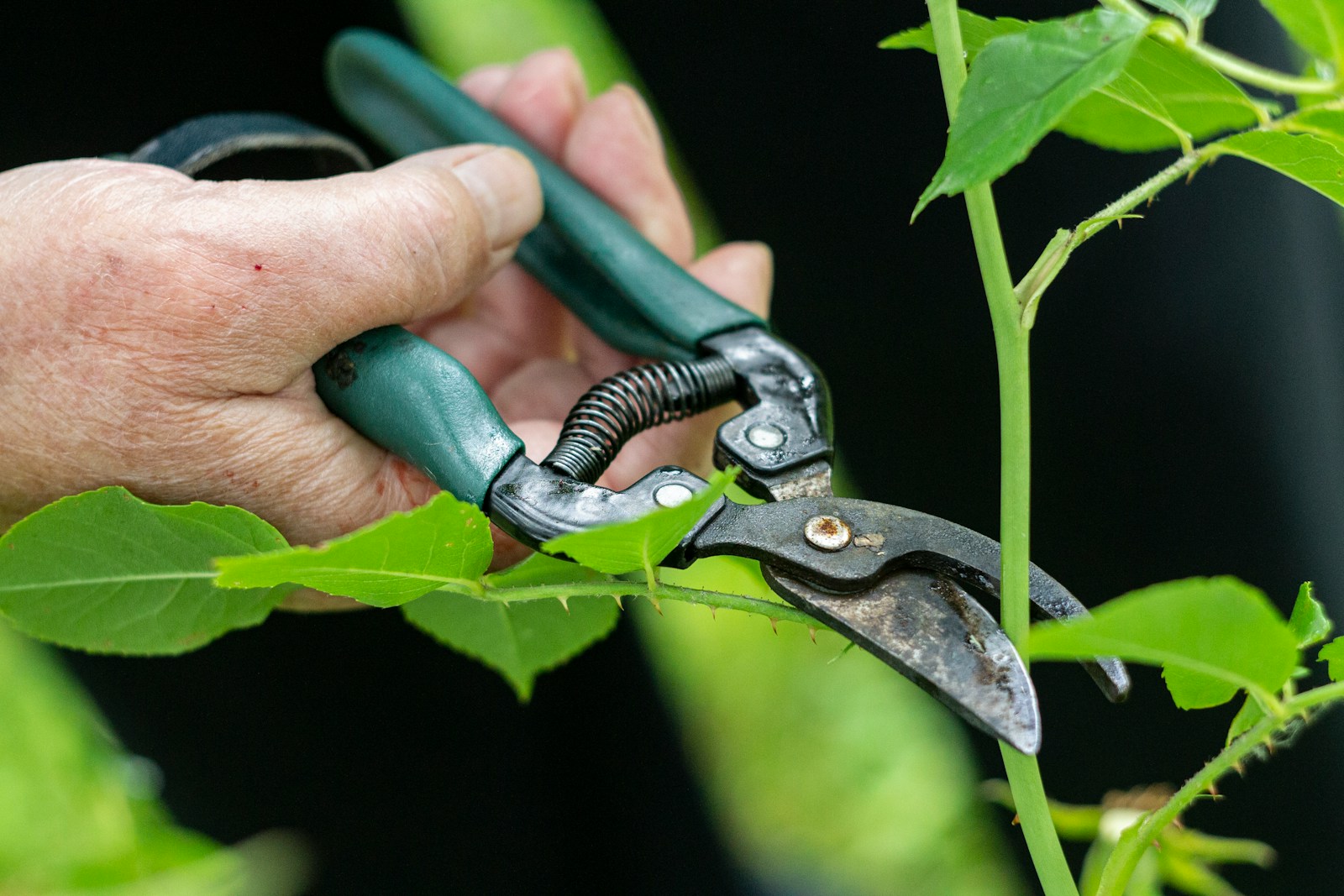
The idea is straightforward: focus on what is clearly a problem, not on reshaping every twig to match a mental picture of perfection. Once a gardener knows what to cut, when to cut, and how much is enough, the rest is just steady, confident work.
The three Cs, the five Ds, and knowing what really has to go
The heart of the three Cs rule is simple: look for branches that are crowded, competing, or crossing, then remove only those. A Jan post on Facebook spells it out plainly, urging You to select branches that are crowded or crossing for removal so the strongest structure can take over without a wrestling match inside the canopy, and that same logic applies whether someone is tackling a backyard apple tree or a row of roses. When branches weave through each other, they rub, scrape, and eventually open wounds that invite pests and disease, a pattern tree educators describe as “Deranged” growth when limbs cross and grind against gates, stakes, or any other hard surface, which is why they recommend clearing those trouble spots early.
Before anyone even gets to the three Cs, though, most experts tell gardeners to start with the obvious problems. One widely shared rule of thumb is to Begin by removing the “5 D’s”: dead, dying, damaged, disfigured, and diseased wood, material that can come out at any time of year because it is no longer helping the plant and often harbors issues that spread. Another local guide echoes that idea with a slightly shorter list, noting that Wood that can be removed in any season falls into the “three Ds” of dead, damaged, or diseased, and it adds a crucial reminder not to cut certain species like oak at the wrong time because of disease risk, which is where timing and species specific guidance start to matter.
Once the Ds are gone, the three Cs help gardeners resist the urge to keep snipping just because they are already up on the ladder. Extension specialists in Marin County frame it as a discipline: Learn when and how to prune, but also when NOT to prune, since unnecessary cuts can trigger weak, fast growth or reduce flowering on shrubs that bloom on old wood. That is where the three Cs shine, because they focus attention on branches that are clearly interfering with airflow, light, or structure instead of encouraging a full scale makeover every winter.
How to cut: three cuts, one third, and a calmer approach to timing
Knowing which branch to remove is only half the job, because a bad cut can do more harm than leaving a problem limb in place. Arborists often teach a three cut method for any sizable branch so the bark does not tear down the trunk. One detailed walk through of that technique explains that When removing a limb it is important to use an undercut first, then a top cut a bit farther out, and only then a final cut just outside the branch bark collar, a sequence that keeps the weight of the branch from ripping a long wound into healthy tissue. A Dec demonstration of the same idea shows how that undercut stops the bark from peeling when a heavy limb finally drops, which is especially important when someone is cleaning up a storm damaged tree that still has plenty of life left in it.
Even with clean cuts, overdoing it can shock a plant, so many gardeners lean on a simple fraction to keep themselves honest. The 1/3 pruning rule is a useful guideline that says not to remove more than one third of a shrub or branch at a time, a limit that helps the plant keep enough leaves to feed itself while it heals. A Jan tutorial on the same principle points out that newer wood is lighter in color while old wood is darker, and shows how a tree can double in size from fresh growth, which is exactly why taking only a third in one season is usually plenty. Paired with that, seasonal advice from Marin stresses that fruit tree pruning has its own timing and that it is essential to match the cut to the specific tree or shrub, rather than assuming every plant wants a deep winter haircut.
Good timing also affects how much benefit a gardener gets from each careful cut. One practical guide suggests people Sign up for regular pruning reminders and remember that removing dead material helps redirect nutrients to healthy foliage, which is the whole point of the exercise. Another resource on pruning fundamentals urges gardeners to Reme mber that different species have different ideal windows, and that some, like spring blooming shrubs, set buds on last year’s growth, so cutting at the wrong moment can wipe out a season of flowers. Taken together, the three Cs, the Ds, the three cut method, and the one third rule give even nervous beginners a clear, calm roadmap: remove what is dead or diseased, thin what is crowded or crossing, cut with care, and stop while the plant still looks like itself.
More from Willow and Hearth:
Leave a Reply