Home security tech keeps getting flashier, but the move that still rattles burglars most is painfully simple: make them think someone is home. The classic “oldest trick in the book” is not a gadget, it is the illusion of life inside the house, from voices and lights to small signs of daily chaos. When that illusion is convincing, many intruders decide the risk is not worth it and move on to an easier target.
That instinct is rooted in how break-ins actually happen. Most burglars are not criminal masterminds casing a property for weeks, they are looking for quick, low‑risk opportunities and will often be in and out in under ten minutes if they strike. The more a place looks occupied and unpredictable, the less it fits that profile.
Why “someone’s home” still scares burglars off
People who have actually broken into houses tend to agree on one thing: they prefer empty rooms and quiet driveways. Several former offenders describe burglars as opportunists who scan for the easiest possible score, not a confrontation with an angry owner or a neighbor calling 911. That is why they watch for dark windows, no cars, and a front door that has not been touched all day. Once they are inside, many aim to be gone in less than ten minutes, which only works if nobody interrupts them.
Research into burglary patterns backs up that picture, noting that Opportunistic offenders target homes that look vacant and can be hit quickly. They are not interested in wrestling with a homeowner or getting trapped inside a house that suddenly springs to life. That is why the “oldest trick” is not a cardboard cutout in the window, it is a believable layer of sound, light, and movement that makes a place feel like a bad bet.
The low‑tech illusion: radios, lights and fake routines
Veteran burglars often point to one almost comically basic tactic: leave human voices drifting through the house. One ex‑offender told Keep that a simple talk station can be enough to make a prowler think twice, joking that Young Redditors might need a reminder that this thing is called a radio. The advice was to Leave it on when heading out, ideally in a central room where the sound leaks toward doors and windows. To someone testing a doorknob outside, that murmur can feel like a living room full of people.
Lighting works the same psychological angle. Security specialists note that the best way to use lamps is to Use indoor lights to mimic real routines instead of leaving a single bulb blazing all night. Smart plugs and apps like Philips Hue or Kasa can stagger lights in the kitchen, hallway, and bedroom so they click on and off in a pattern that looks like someone moving around. Outdoor fixtures can do their part too, with one guide urging homeowners to flip the script on a dark facade and Use Your Lights so a house never sits in total shadow for hours.
The illusion does not have to stop at sound and light. In a popular thread that started in Mar, one user recalled advice from Years earlier to park a big, scuffed‑up pair of work boots by the door so anyone snooping imagines a large, possibly unfriendly owner inside. Former burglars echo that logic when they tell homeowners to Find Another Place for obvious spare keys and to avoid habits, like never answering the door, that scream “nobody is here.” The more a property hints at unpredictable people and irregular schedules, the less it looks like a soft target.
Modern twists on the “oldest trick”
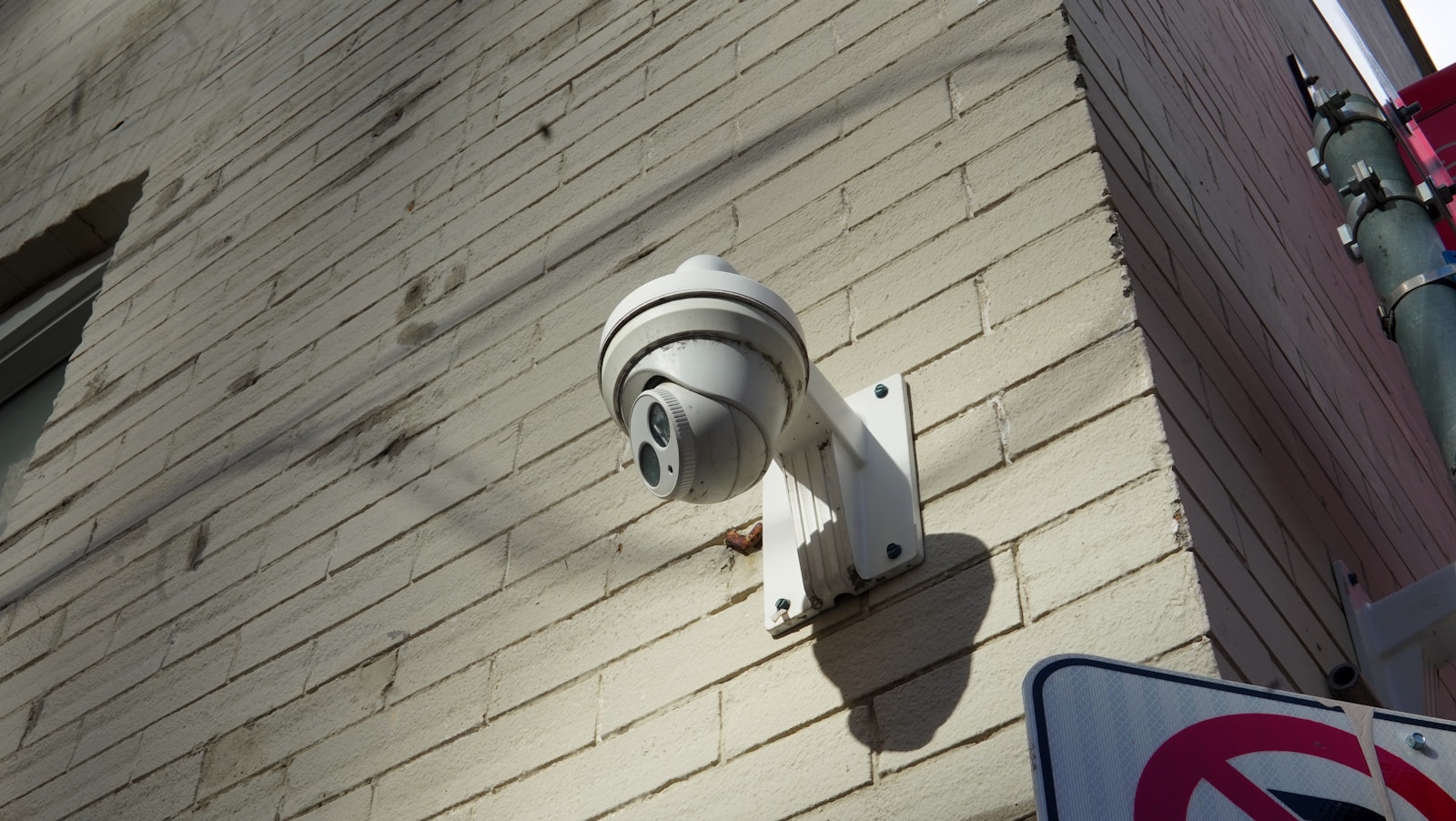
None of this means homeowners are stuck in the analog era. Modern systems can supercharge that same basic bluff. One security guide urges people to Get Creative When, noting that While some intruders are bold enough to enter when a house is occupied, many will back off if they hear a TV, see motion‑triggered lights, or notice a camera that might capture their face. Video doorbells from brands like Ring or Google Nest let owners talk through the speaker as if they are just in the back room, even when they are halfway across town.
The urgency is not abstract. One security video points out that in the United States a burglary occurs roughly every 22.6 seconds, which means thousands of chances every day for a thief to choose one house over another. Experts who have interviewed offenders say many will simply skip a property that looks active and move to the next quiet driveway. That is why ex‑burglars advise, with a blunt “Well then check out the list,” that homeowners layer simple tricks with alarms and cameras instead of relying on any single gadget.
There is a catch, though. Researchers warn that some clichéd decoys, like fake “Beware of Dog” signs with no dog in sight, can backfire, which is why one study flatly states that some supposed oldest tricks do not actually work. The difference is credibility. A house that feels genuinely lived in, with lights, noise, and small signs of daily life, taps into burglars’ fear of getting caught. That is the classic move that still holds up: not a gimmick in the window, but a convincing performance of normal, messy, everyday home life.
More from Willow and Hearth:
Leave a Reply