Aging gets sold as either a horror story or a glossy retirement ad, but older adults keep saying the reality sits in a much messier middle. When they talk honestly about what getting older actually feels like, the stories are blunt, specific, and often nothing like what younger people expect. These 14 uncomfortable truths come straight from that lived experience, the stuff most people do not bring up until it is already happening to them.
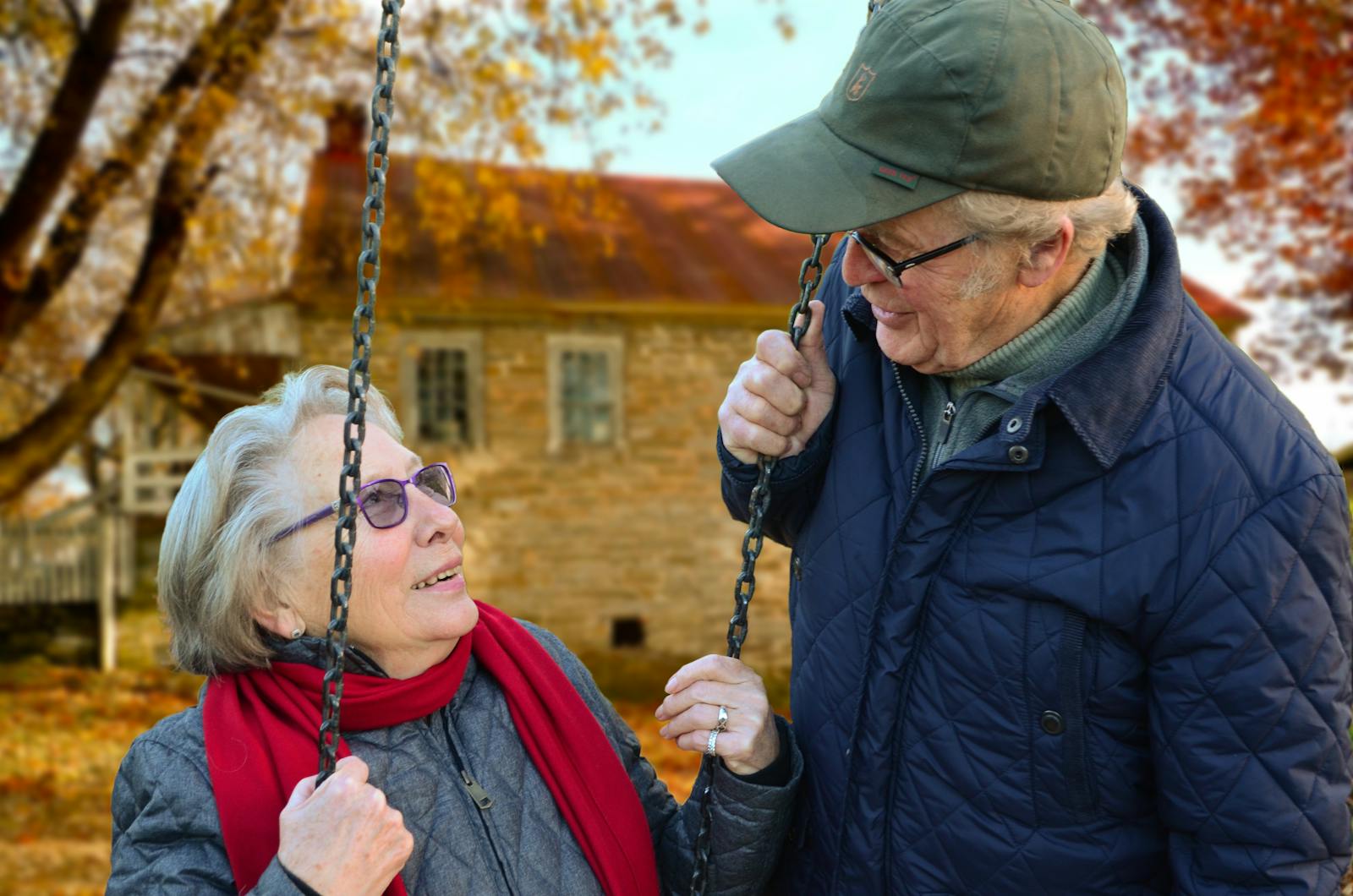
1) Your Body Starts Betraying You Early – older adults reveal persistent aches and reduced mobility as unexpected daily realities in later years.
Your body starts betraying you early, and older adults keep stressing that no one warned them how constant it would feel. In one collection of hard truths, people in their sixties and seventies describe waking up with new aches for no clear reason, or realizing a simple grocery run now needs recovery time. They talk about knees that suddenly hate stairs, backs that complain after loading the dishwasher, and the shock of realizing “normal” now includes pain.
The stakes are bigger than a few creaks. Reduced mobility quietly reshapes daily life, from how far someone is willing to walk to whether they keep driving at night. It can shrink social circles when dinner out feels physically exhausting, and it can turn once-loved hobbies like gardening or pickup basketball into memories instead of routines. That gap between how young the mind feels and how old the body acts becomes one of aging’s most jarring disconnects.
2) Memory Lapses Become the Norm – shared experiences highlight forgetting names and events, shocking younger generations with its inevitability.
Memory lapses, older adults say, are not rare glitches, they become a running background noise. In stories gathered as people describe aging, one theme repeats: “How your mind stays young while your body starts to slow down.” Folks talk about walking into a room and blanking on why, losing track of appointments, or needing a beat to remember a neighbor’s name they have known for years. It is not always dementia, it is just the brain misfiring more often.
Those slips carry emotional weight. They can trigger quiet panic about future independence, especially when someone forgets whether they took their medication or paid a bill. They also change how families interact, as adult children start double-checking details or taking over planning. For younger generations watching this unfold, the inevitability of these lapses is unsettling, a reminder that mental sharpness is not guaranteed to age at the same pace as personality or humor.
3) Losing Friends Feels Inevitable – the hard truth of outliving peers leads to profound grief that no one anticipates.
Losing friends, older adults say, is not a rare tragedy, it becomes a recurring part of the calendar. In one roundup of harsh truths, people describe the shock of realizing more invitations are for funerals than weddings. They talk about group chats going quiet as illness spreads, or weekly coffee dates ending because someone can no longer drive. Even those who watched their parents age admit they were not ready for how relentless the losses would feel.
The emotional math is brutal. Outliving peers means carrying shared memories alone, and it can make the world feel smaller with every obituary. It also raises practical issues, like losing the friend who always handled taxes or the neighbor who checked in during storms. For many, grief becomes a chronic condition, not a single event, and it shapes how they think about their own remaining time and the urgency of staying connected while they still can.
4) Family Ties Strain Under Time – revelations include drifting apart from children and grandchildren, altering once-close bonds.
Family ties, which younger people often assume will only deepen, can actually fray as the years pile up. Older adults in collections of unspoken aging realities describe kids moving across the country, grandkids buried in screens, and long gaps between visits that used to be weekly. They talk about group texts replacing real conversations, or feeling like background characters in their own family’s story.
The strain is not always about drama, sometimes it is logistics and emotional bandwidth. Adult children juggle work, parenting, and their own health, and older parents quietly absorb the cancellations and delayed calls. Over time, that distance can harden into resentment on both sides, especially when caregiving decisions arrive suddenly. The uncomfortable truth is that love does not automatically protect relationships from drifting, and aging often exposes where communication was fragile all along.
5) Financial Worries Never Fully End – older voices expose ongoing insecurity from medical bills and fixed incomes, unprepared for the burden.
Financial worries, many older adults insist, do not magically disappear at retirement, they just change shape. In candid accounts of late-life surprises, people describe fixed incomes that do not keep up with rent hikes, prescription costs that eat into grocery money, and the shock of dental or vision bills that are only partly covered. Sure, some planned carefully, but even they admit inflation and medical surprises can blow up the neatest spreadsheet.
The stakes are stark. Money stress in later life can mean skipping physical therapy sessions, delaying hearing aids, or staying in unsafe housing because moving is too expensive. It also affects family dynamics when parents quietly subsidize adult children or, conversely, need help they never expected to ask for. The hard truth is that “being good with money” is not always enough to outrun the combined weight of healthcare costs and longer lifespans.
6) Health Issues Pile Up Unexpectedly – accounts describe chronic conditions emerging suddenly, catching even the health-conscious off guard.
Health issues, older adults say, rarely arrive one at a time. In a series of uncomfortable lessons aimed at people over sixty, the pattern is clear: someone goes in for a routine check and walks out with a list, not a single diagnosis. High blood pressure, arthritis, and sleep apnea stack up, even for those who exercised and ate well. The surprise is not that problems appear, but how quickly “a few issues” turns into managing multiple chronic conditions.
That pileup changes daily life. Juggling medications, specialist appointments, and insurance approvals becomes a part-time job, and side effects from one treatment can aggravate another condition. It also affects identity, as people who once saw themselves as “healthy” now introduce themselves with a medical history. For families and healthcare systems, this clustering of conditions drives up costs and complicates care, making early planning and honest conversations more critical than most expect.
7) Social Invisibility Sets In – the shock of being overlooked in conversations and public spaces underscores a silent societal shift.
Social invisibility is one of aging’s quieter gut punches. Older adults in collections of firsthand stories talk about being ignored at store counters while staff address their younger companions, or having doctors direct questions to adult children instead of to them. They describe sitting in meetings or family gatherings and realizing their comments land softer, or not at all, compared with younger voices.
This invisibility is not just rude, it has real consequences. When people feel unseen, they are less likely to advocate for themselves, whether that is pushing back on a rushed medical decision or asking for workplace accommodations. It can also accelerate isolation, as older adults withdraw from spaces where they feel dismissed. The cultural habit of equating youth with relevance quietly sidelines a growing share of the population, wasting experience that could benefit everyone.
8) Energy Drains Faster Than Expected – hard truths involve fatigue dominating afternoons, limiting hobbies and spontaneity.
Energy, older adults say, becomes a limited resource that needs budgeting like money. In one set of personal accounts, people describe afternoons that feel like hitting a wall, even after a decent night’s sleep. A morning of errands can wipe out the rest of the day, and late dinners or concerts start to feel like endurance tests instead of fun. The surprise is how early this shift can start, sometimes in the fifties, long before anyone feels “old” in their head.
That fatigue reshapes choices. Hobbies that once filled evenings, from community theater to rec-league sports, may get dropped because recovery time is too long. Travel plans change, with more rest days and fewer jam-packed itineraries. For families, it can mean grandparents bowing out of all-day outings or needing quiet breaks during holidays. The uncomfortable truth is that aging often demands a new pace, and fighting that reality usually backfires.
9) Regrets Surface Without Warning – reflections on past choices haunt more than celebrated wisdom, as shared by those over 60.
Regret, older adults admit, can be louder than the “wisdom” younger people expect them to radiate. In threads of late-life reflections, people over sixty talk about marriages they stayed in too long, careers they never pursued, or estranged relatives they assumed there would be time to fix things with. How, as Tod Perry highlights, the mind can stay young while the body slows down also means memories stay vivid, and so do the what-ifs.
Those regrets are not just private ghosts, they influence present-day decisions. Some older adults become more cautious, afraid of repeating mistakes, while others swing the other way, finally taking risks because the clock feels louder. For younger generations listening in, these confessions are a roadmap of what actually matters over decades, not just in five-year plans. The hard part is acting on that knowledge before similar regrets have time to harden.
10) Technology Feels Like a Foreign Language – older adults confess struggling with gadgets, widening generational gaps painfully.
Technology, which younger people treat as background noise, can feel like a foreign language to many older adults. In candid lists of uncomfortable realities, people describe banking apps that lock them out, two-factor authentication they do not fully understand, and smart TVs that seem to change menus every update. Sure, they can learn, but the pace of change means that just as they master one system, another arrives.
The gap is not only about convenience, it is about access and dignity. When everything from medical portals to government services moves online, struggling with tech can mean missed test results or benefits. It also shifts power inside families, as older adults depend on younger relatives to manage passwords or online bookings. That reliance can feel infantilizing, even when help is offered with love, and it deepens the sense that the modern world is no longer built with them in mind.
11) Independence Slips Away Gradually – insights reveal reliance on others for basics, eroding self-sufficiency sooner than imagined.
Independence, older adults say, rarely disappears overnight, it erodes in small, humbling steps. In one survey of aging fears, respondents ranked Physical health at 67%, Mobility at 60%, Mental sharpness at 47%, and How old they look at 38%, showing how tightly independence is tied to the body and mind. People talk about the first time they needed help with a zipper, or when carrying laundry up stairs suddenly felt risky.
Those moments add up. Handing over the car keys, accepting help with bathing, or moving to a one-story home can feel like personal failures, even when they are smart safety choices. For caregivers, the gradual shift can be confusing, because someone who seems fine one month may need significant help the next. The uncomfortable truth is that independence is not a simple on-off switch, and navigating that gray area requires more emotional honesty than most families are prepared for.
12) Loneliness Creeps In Despite Company – even surrounded by people, the emotional isolation of aging hits hard and unspoken.
Loneliness, older adults often point out, is not just about being alone in a room. In collections of overlooked truths, people describe feeling invisible at family dinners, or sitting through conversations dominated by work and pop culture they no longer follow. They may live with a partner or in a busy facility, yet still feel that no one really knows what their days are like.
That emotional isolation has real health consequences, from higher risks of depression to worse outcomes after illness. It also shapes how older adults engage with the world, sometimes leading them to decline invitations because small talk feels more draining than staying home. For communities, ignoring this quiet loneliness means missing a chance to tap into older residents’ experience and perspective. The hard truth is that presence is not the same as connection, and aging exposes that gap sharply.
13) Weddings and Family Events Hide Deeper Tensions – uncomfortable truth about mirrors real-life strains in later-life family gatherings that expose unresolved conflicts.
Weddings and big family events often look joyful on the surface, but older adults know how much tension can sit just off-camera. The storyline around Leida Mothma’s wedding, with its layered obligations and unspoken bargains, hits home for many who have navigated similar dynamics. Parents and grandparents talk about smiling through ceremonies while worrying about estranged relatives, financial pressures, or cultural expectations that clash with their own values.
These gatherings can force long-buried conflicts into the open. Decisions about seating charts, invitations, or who pays for what can reopen old wounds about favoritism or past sacrifices. For older family members, there is an added sting when their opinions are sidelined in events they helped make possible. The uncomfortable truth is that milestone celebrations often double as pressure cookers, revealing how aging shifts power, loyalty, and respect inside families.
14) Mortality Awareness Intensifies Daily – the profound realization of limited time shocks with its raw urgency, as revealed by seasoned lives.
Mortality awareness, older adults say, is not a single epiphany but a drumbeat that gets louder with each passing year. In various firsthand accounts, people describe counting how many more summers they might reasonably expect, or realizing they may never revisit certain places. There, in one set of harsh truths, someone notes that watching friends die makes the abstract idea of “someday” feel painfully specific.
That awareness can be terrifying, but it also sharpens priorities. Some older adults become more direct about boundaries, saying no to obligations that drain them and yes to small pleasures they once postponed. It can strain relationships when others avoid talking about death, leaving the person who is actually closest to it feeling emotionally alone. The raw urgency of limited time is one of aging’s most uncomfortable truths, and also one of its clearest calls to live honestly.
More from Willow and Hearth:
Leave a Reply