There I was, sipping my coffee and preparing for a peaceful Saturday morning, when I received a text from my kid’s coach that knocked the wind out of me. “Your kid needs to toughen up,” it read. I felt a mix of disbelief and indignation bubbling up. Toughen up? My child is ten! What does that even mean? I mean, come on—this isn’t a scene from a sports movie where the underdog transforms into a superstar through sheer grit and determination. This is real life, and it’s a little more complicated than that.
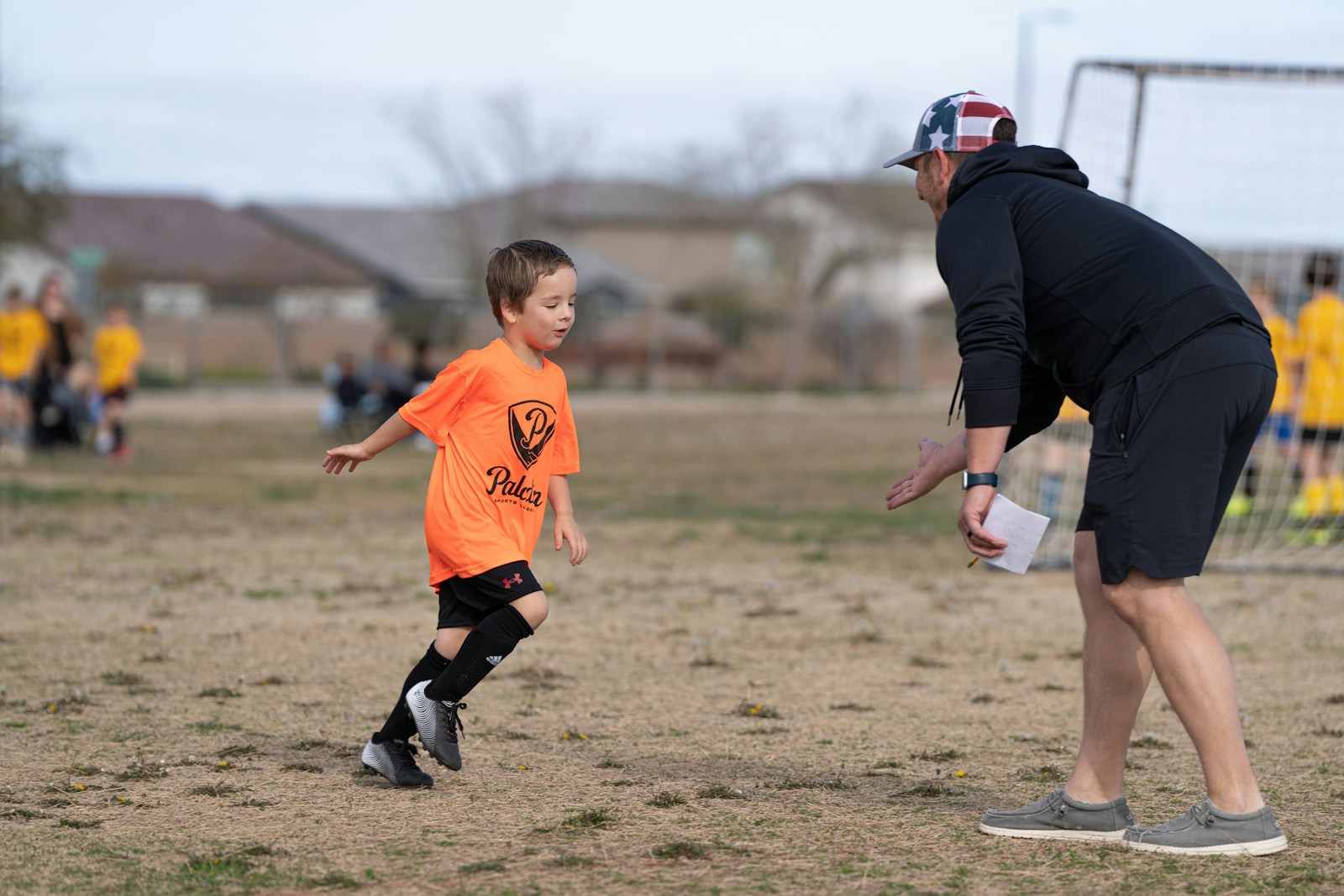
Now, let’s be clear: I absolutely believe in resilience and the importance of facing challenges. But suggesting that my child needs to “toughen up” strikes me as a bit off-base. It’s easy to forget that kids are still learning how to navigate their emotions, understand teamwork, and sometimes just figure out what they like to do. Toughness comes in many forms—both physical and emotional—and it doesn’t always mean turning into a mini Rambo on the field.
What Does “Toughen Up” Even Mean?
When I think of “toughening up,” I picture the classic boot camp scenario: grueling workouts, endless drills, and a coach barking orders. But is that really what kids need? Aren’t we trying to foster a love for the game rather than instill fear? I can’t help but wonder if this coach has lost sight of what youth sports should be about: fun, growth, and learning to work together as a team.
Kids are already facing so much pressure these days. From schoolwork to social dynamics, they’ve got a lot on their plates. When did we decide that adding more pressure through tough love was the answer? Sure, we want our kids to be resilient, but there’s a fine line between encouraging them to push their limits and making them feel like they’re not good enough as they are.
Let’s Talk About Emotional Intelligence
In today’s world, emotional intelligence is just as important as physical toughness. Kids need to learn how to express their feelings, deal with disappointment, and bounce back from setbacks. This isn’t just about winning games; it’s about developing well-rounded individuals. When a coach throws around phrases like “toughen up,” it can do more harm than good. It might push some kids away from sports altogether, while others may internalize the message that they need to hide their feelings.
Imagine telling a child who’s just lost a big game that they need to be tough. What does that convey? That their feelings don’t matter? That they should shove their disappointment down and try to soldier on? That’s a lot of pressure for a little person to bear. It’s crucial for kids to know it’s okay to feel sad, frustrated, or even vulnerable. Those emotions are part of being human.
Finding the Right Balance
Now, I’m not advocating for a world where every kid gets a trophy just for showing up. I get that competition is a part of sports, and kids need to learn how to handle both wins and losses. There’s a balance to strike here—teaching resilience while also being compassionate. A good coach should inspire kids to give their best without making them feel like they’re failures if they don’t win.
So, what do we do? As parents, we can engage in conversations with coaches about their philosophies. It’s important to advocate for our kids and express our concerns in a constructive way. Instead of saying, “What do you mean my kid needs to toughen up?” try asking, “How can we help my child develop resilience while still enjoying the game?”
Creating a Supportive Environment
It’s also worth noting that the best coaches know how to create a supportive environment where kids feel safe to express themselves. They challenge their players, sure, but they also celebrate their efforts—big and small. Encouragement from coaches can make a world of difference, especially for kids who might be a bit shy or unsure of themselves.
So here’s the thing: let’s take a step back from the “toughen up” mentality. Instead, let’s focus on building a culture of support and understanding. Let’s teach our kids that it’s perfectly okay to be vulnerable and that true strength often lies in being able to ask for help or show their feelings.
More from Willow and Hearth:
Leave a Reply