So, picture this: you’ve got a leaky faucet that’s been dripping like it’s auditioning for a role in a water-themed musical. You mention it casually to your husband, hoping he’ll jump on the opportunity to channel his inner handyman. Instead, he gives you that look—the kind that says, “It’s not a problem until it’s a flood.” Sound familiar? You’re not alone in this little pickle. Many of us find ourselves navigating the complex waters of home maintenance (pun fully intended) with a partner who seems to have an emergency-only approach to repairs.
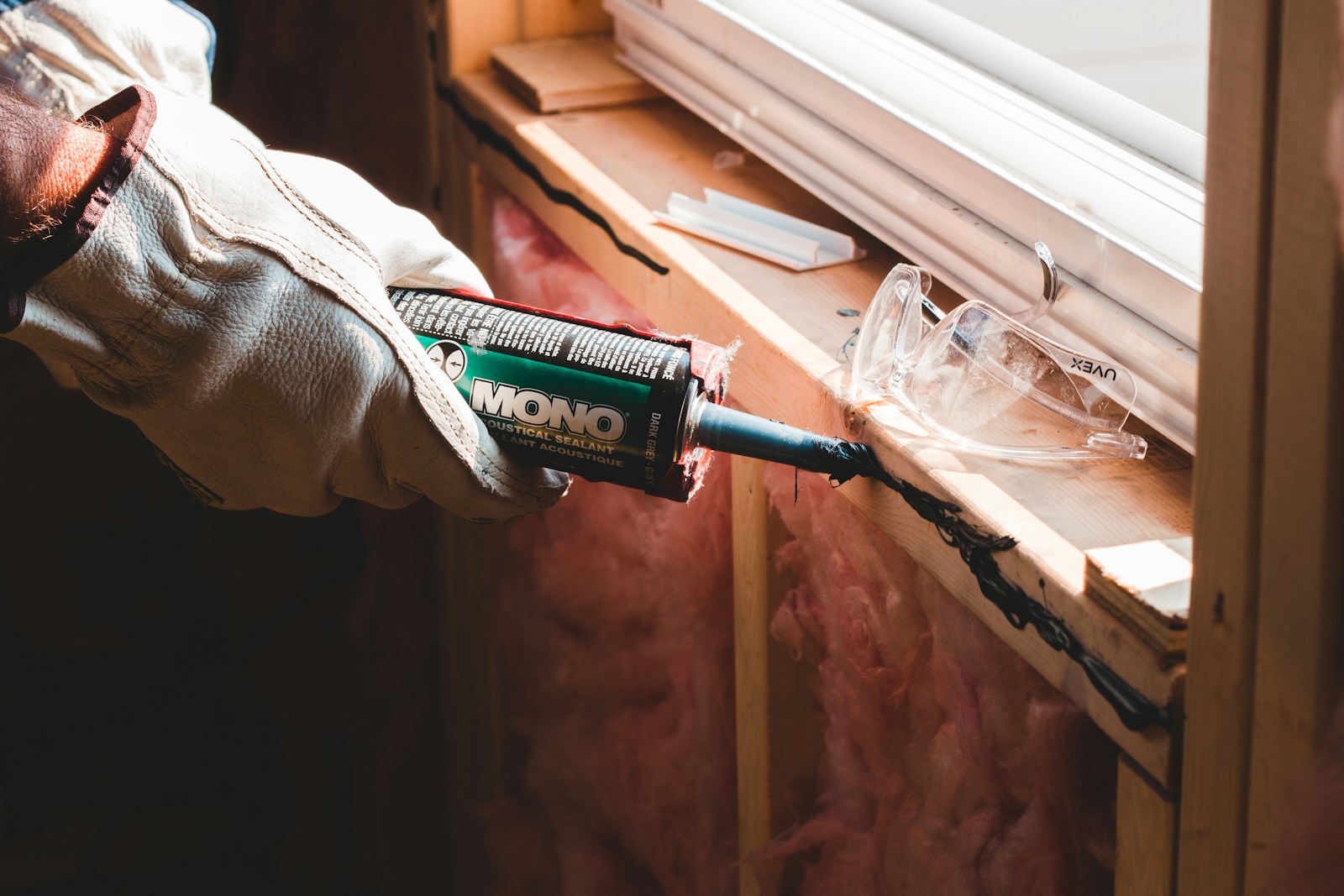
When Nagging Becomes a Four-Letter Word
There’s a fine line between reminding and nagging, and it can feel like you’re tiptoeing through a minefield. You might think you’re being proactive, but your partner might hear, “You’re not doing enough!” instead. It’s frustrating, right? You just want to avoid the chaos of a full-blown emergency, and yet, here you are, labeled as the “nag.” It’s like you’ve been cast in a sitcom where you’re the overly concerned spouse, and he’s the laid-back character who just doesn’t care until things go wildly wrong.
Why Do We Let Things Slide?
It’s easy to fall into the habit of ignoring little issues. Maybe he grew up in a household where things got fixed only when they became a real hassle—like finding out the dishwasher leaks only after it’s flooded the kitchen floor. Or perhaps, he thinks it’s just easier to wait until a problem demands attention. But here’s the kicker: those little issues rarely stay little for long. It’s like a snowball rolling down a hill, picking up speed and size the longer it goes unchecked.
Communicating Without the Nag Factor
So, how do you get through to him without sounding like a broken record? Open communication is key. Instead of saying, “This needs to be fixed,” try framing it differently: “Hey, I noticed the faucet is dripping. I’d love for us to tackle it together this weekend—what do you think?” This way, you’re inviting him into the process rather than just pointing out a flaw. You’re a team, after all! Plus, who doesn’t love a little DIY project that can turn into a bonding experience?
Understanding the “Emergency” Mindset
It’s also helpful to understand why he might be waiting for an emergency. Is he overwhelmed with other responsibilities? Sometimes, men (and women, let’s be real) prioritize tasks differently. If he’s got a packed schedule, fixing a leaky faucet might not even be on his radar. That doesn’t mean it’s not important to you, but it helps to realize that his lack of action isn’t always a reflection of his feelings about you or your home.
Setting Boundaries for Maintenance
One way to sidestep this nagging conundrum is to set up a home maintenance schedule. You could create a list of things that need attention and check in regularly. Maybe you could even turn it into a fun game—whoever fixes the most items gets to pick the next movie for family movie night. It’s a playful way to tackle home improvement without the pressure of “nagging.” Plus, it makes it feel less like a chore and more like a fun little challenge.
The Power of Positive Reinforcement
Let’s not underestimate the impact of a little praise. If he does take the initiative to fix something—no matter how small—give him a high five or a little shout-out. “Wow, you fixed that! You’re my hero!” Positive reinforcement can go a long way. It encourages him to tackle those little jobs before they turn into full-blown emergencies. Who doesn’t want to feel appreciated, especially when they’ve done something productive around the house?
When It’s Time to Call in Reinforcements
Sometimes, despite your best efforts, he might still resist getting involved. It’s okay to outsource help. Call a plumber or a handyman for those pesky jobs that just won’t wait. This doesn’t mean you’re giving up; it’s just a practical solution to keep your home running smoothly. Plus, it can alleviate some of the pressure on him, allowing him to focus on what he enjoys or does best.
More from Willow and Hearth:
Leave a Reply