
Starting a cutting garden can be a rewarding way to bring fresh, beautiful flowers into your home. Whether you want blooms for bouquets or just to brighten your space, growing your own cut flowers lets you enjoy nature’s colors up close.
These 10 tips will help you create a cutting garden you’ll love by making the process easier and more enjoyable. You’ll learn how to choose the right flowers, care for them, and keep your garden blooming season after season.
Research your hardiness zone before choosing flowers
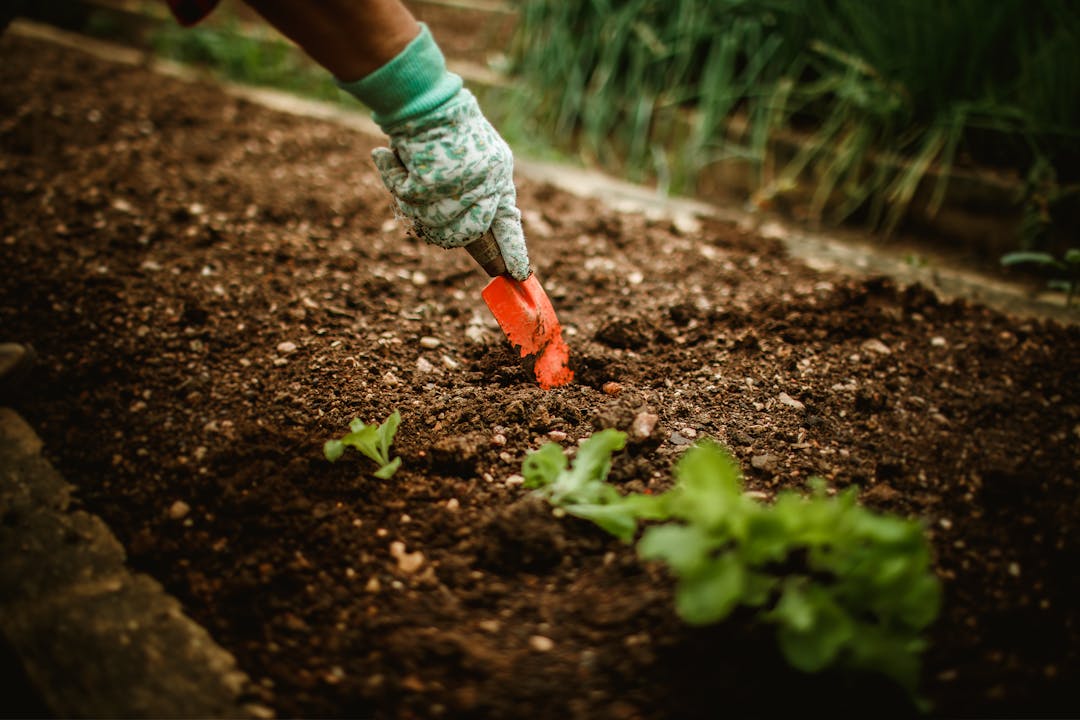
You’ll want to know your USDA hardiness zone before picking flowers for your cutting garden. This helps you choose plants that can handle your local climate.
Flowers hardy to your zone will grow well and survive seasonal changes. It saves you time and effort by avoiding plants that struggle in your area.
Check online maps or local garden centers to find your zone. Then, pick cut flowers that match it for better success.
Space cut flower plants about 9 inches apart for tall, straight stems

When you plant your cut flowers about 9 inches apart, it gives each plant enough room to grow healthy and strong. Crowding plants can lead to weaker stems and less airflow, which isn’t great for your blooms.
Keeping this spacing helps flowers develop taller, straighter stems. You’ll get better stems for arranging without too much extra work. This spacing works well for most common cut flowers, making your garden easy to manage.
Use a raised bed with quality garden soil and compost
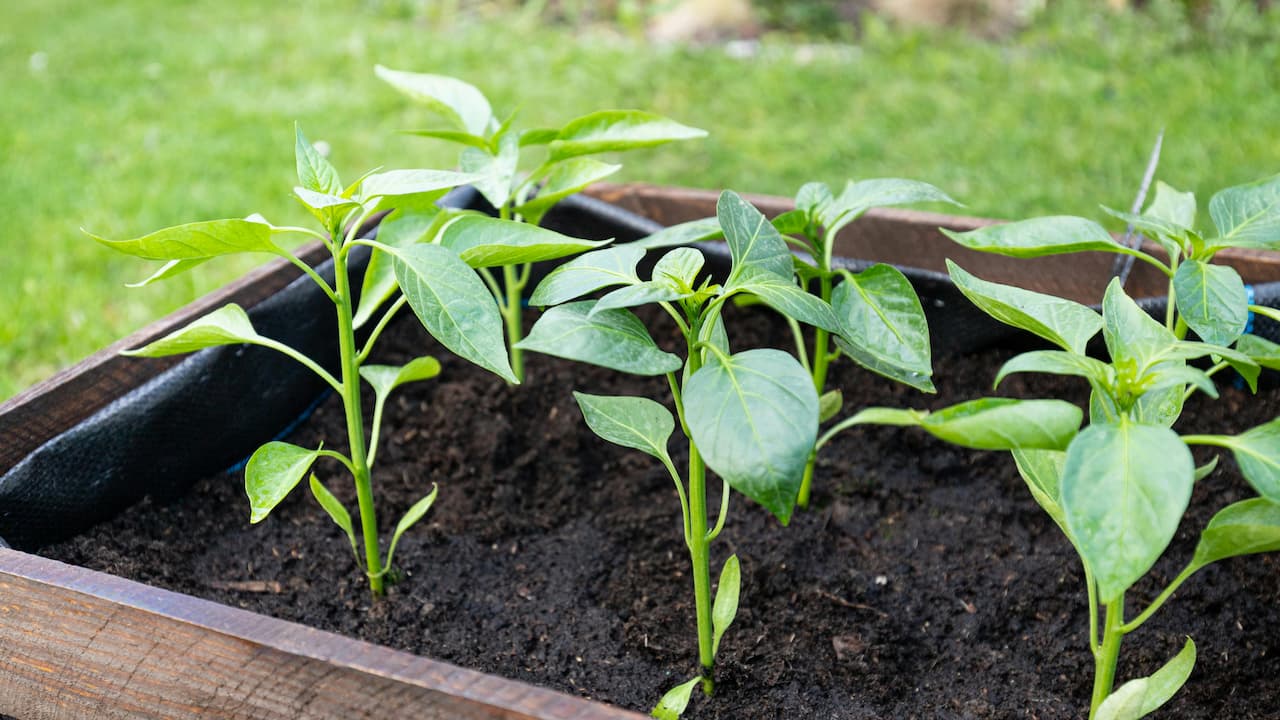
Using a raised bed makes it easier to control your cutting garden’s soil. Fill it with a good garden soil blend mixed with compost to give your flowers what they need.
Compost adds nutrients and improves moisture retention. This helps your plants grow strong and healthy without working too hard.
Make sure your raised bed has good drainage. Gravel at the bottom can help stop water from pooling and keep roots happy.
Plant easy-to-grow annuals like zinnias and cosmos
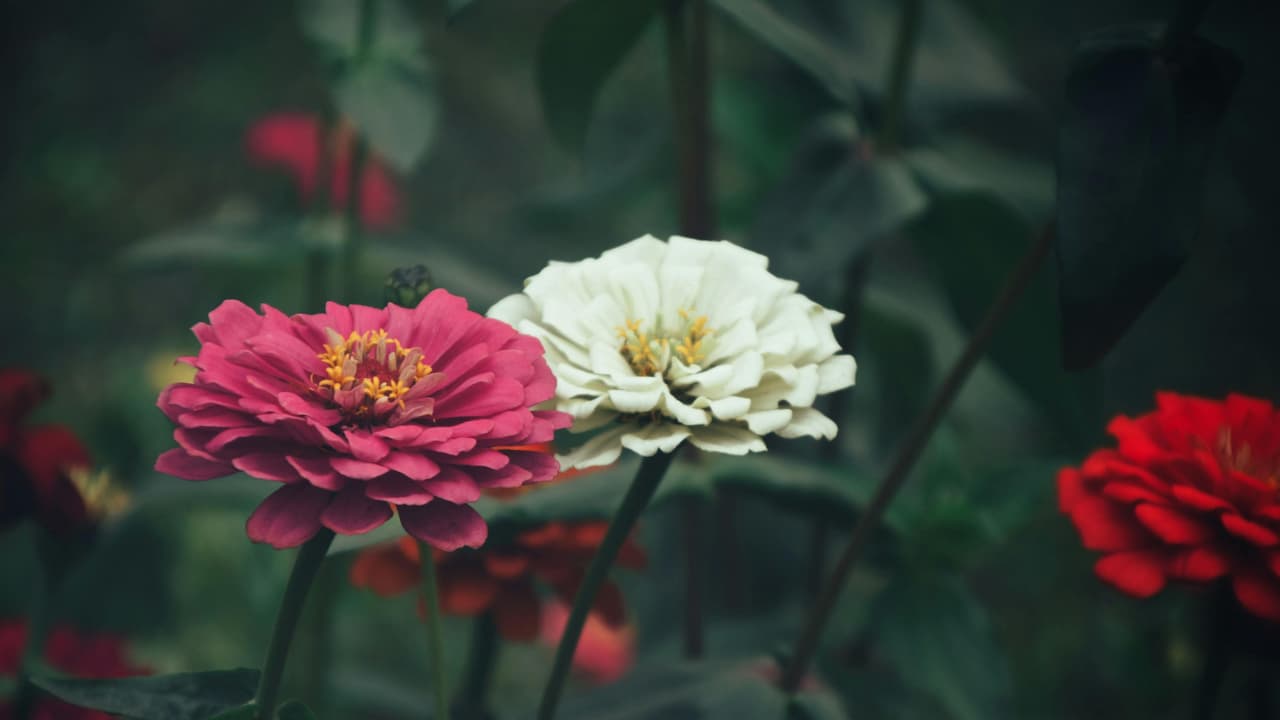
If you’re new to cutting gardens, start with easy annuals like zinnias and cosmos. They sprout quickly and don’t need much fuss.
These flowers bloom all summer, giving you plenty of fresh cuttings. Plus, their bright colors make a cheerful addition to any bouquet.
You can grow them directly from seed, which saves time and money. Just give them a sunny spot and regular watering, and they’ll do most of the work for you.
Pinch young plants to encourage bushier growth
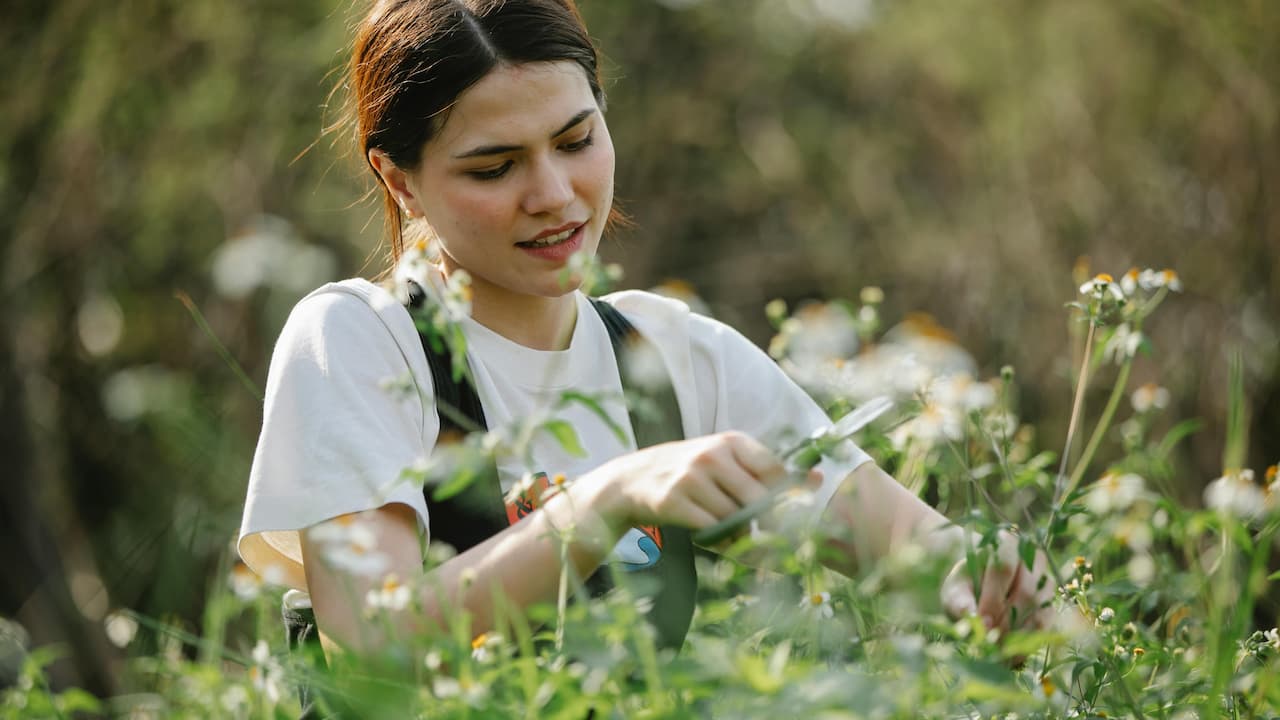
When your plants are about 4 to 6 inches tall, pinch off the top leaves. This helps your plant focus energy on growing wider instead of just taller.
You’ll end up with a fuller, bushier plant that produces more blooms. It’s a simple step that makes a noticeable difference in your cutting garden’s overall look.
Pinching early also prevents your plants from getting leggy or wobbly as they grow. It’s a quick way to keep them strong and balanced.
Harvest cut flowers in the cool early morning or late evening
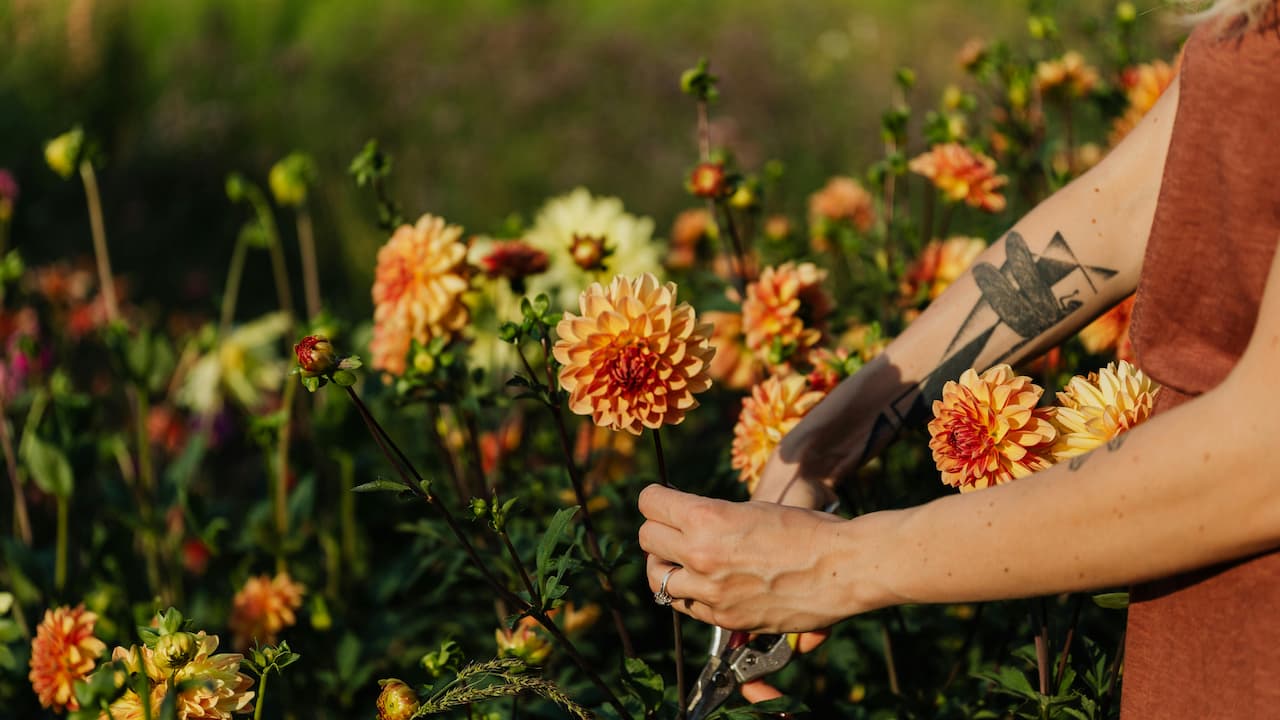
You’ll want to pick your flowers when it’s cooler outside. Early morning or late evening are the best times to cut because the stems are full of water.
Harvesting in the heat can make flowers wilt faster. When you cut during these cooler times, your flowers will stay fresher longer once inside.
Cut stems at an angle to improve water absorption
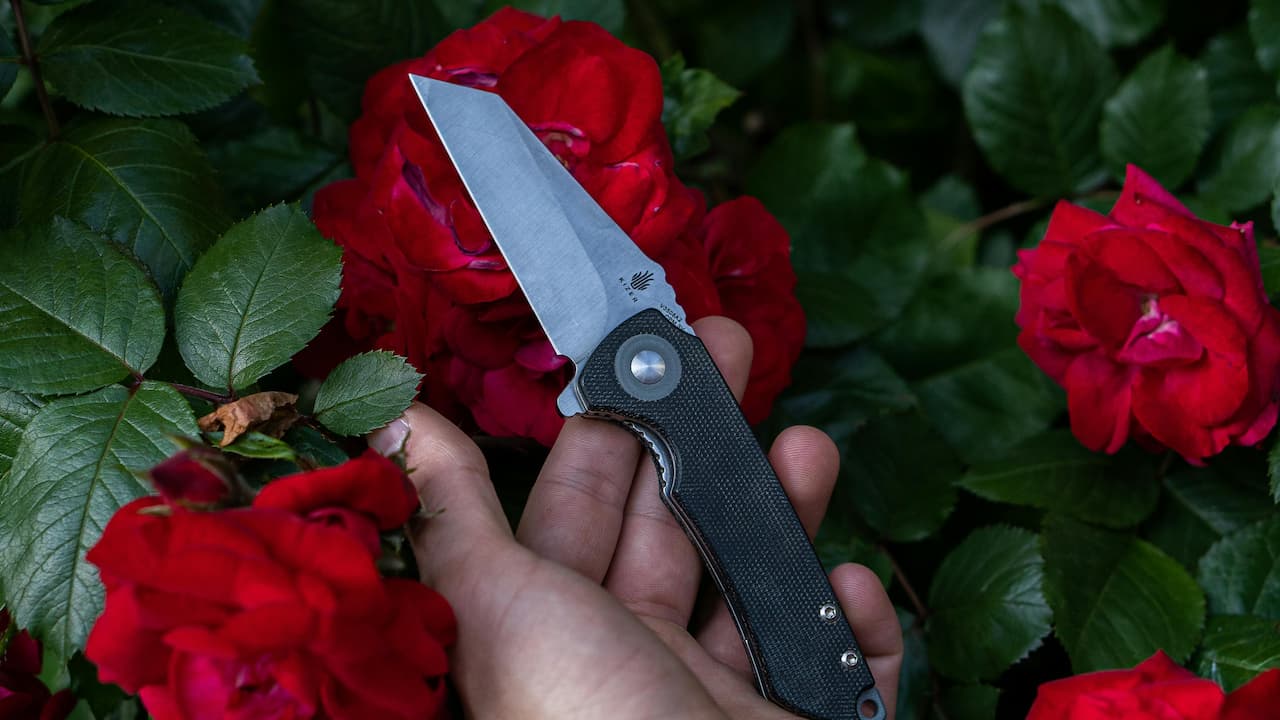
When you cut flower stems, make sure to do it at an angle. This gives your flowers more surface area to soak up water.
Using a sharp knife or scissors will help you get a clean cut without pinching the stem. Avoid crushing the stem, as that can slow water intake.
Cut about one to two inches off, and try to trim stems right before putting them in water for best results.
Remove excess foliage from stems before arranging

When you bring flowers in from your garden, take a moment to strip off any leaves that will sit below the waterline. Leaves in water can rot and cause bacteria, which shortens the life of your bouquet.
Removing extra foliage also makes your arrangement look cleaner and lets the flowers shine. Plus, it’s easier to handle the stems without all that extra bulk getting in the way.
Grow ‘Cut and Come Again’ flowers for continuous blooms
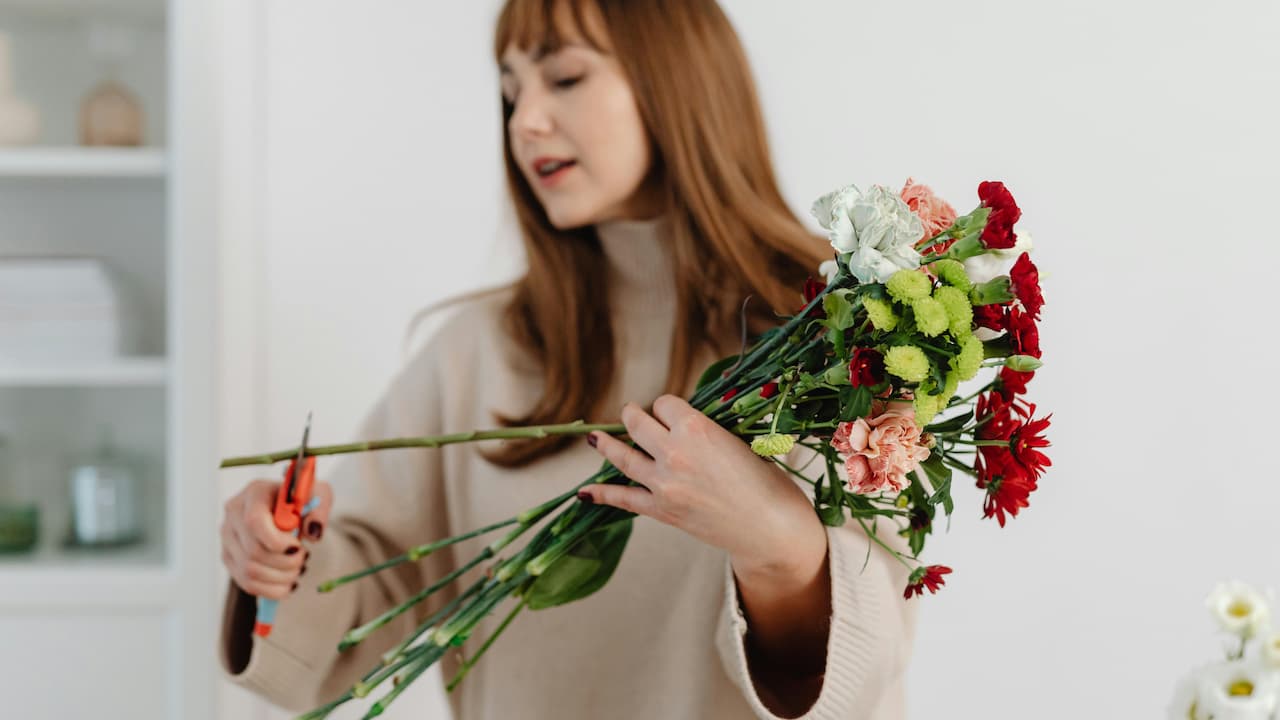
Choose flowers that “cut and come again” to keep your garden blooming longer. These plants let you harvest regularly without sacrificing future flowers.
You just need to pick the right spot with plenty of sun and snip carefully above the leaves. This encourages fresh growth, so you’ll have new blooms in no time.
With a little care, your garden can provide a steady supply of flowers, perfect for making bouquets anytime you want.
Plant flowers densely to reduce weeds and retain soil moisture
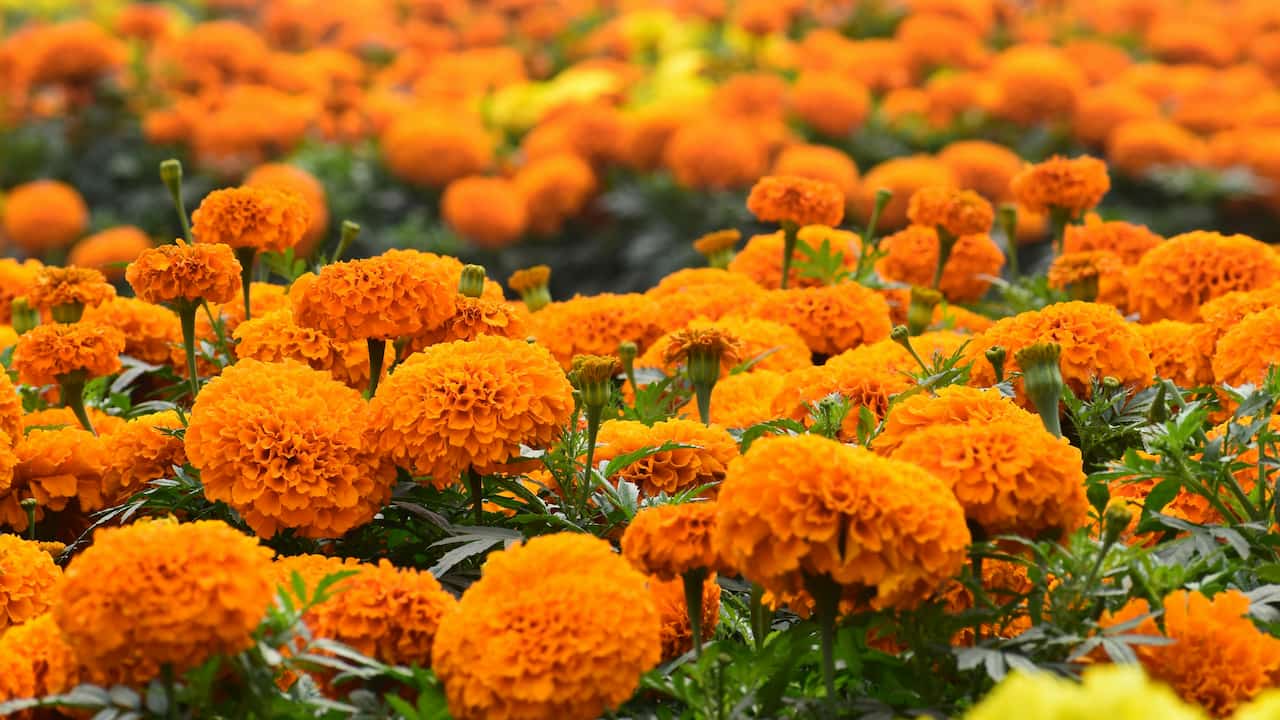
When you plant your flowers close together, they create a natural cover that shades the soil. This helps keep weeds from sprouting up in your garden.
Tighter spacing also means the soil stays cooler and holds moisture longer, so your plants don’t dry out as quickly.
You’ll spend less time weeding and watering, giving you more time to enjoy your garden and the flowers you cut.
Leave a Reply