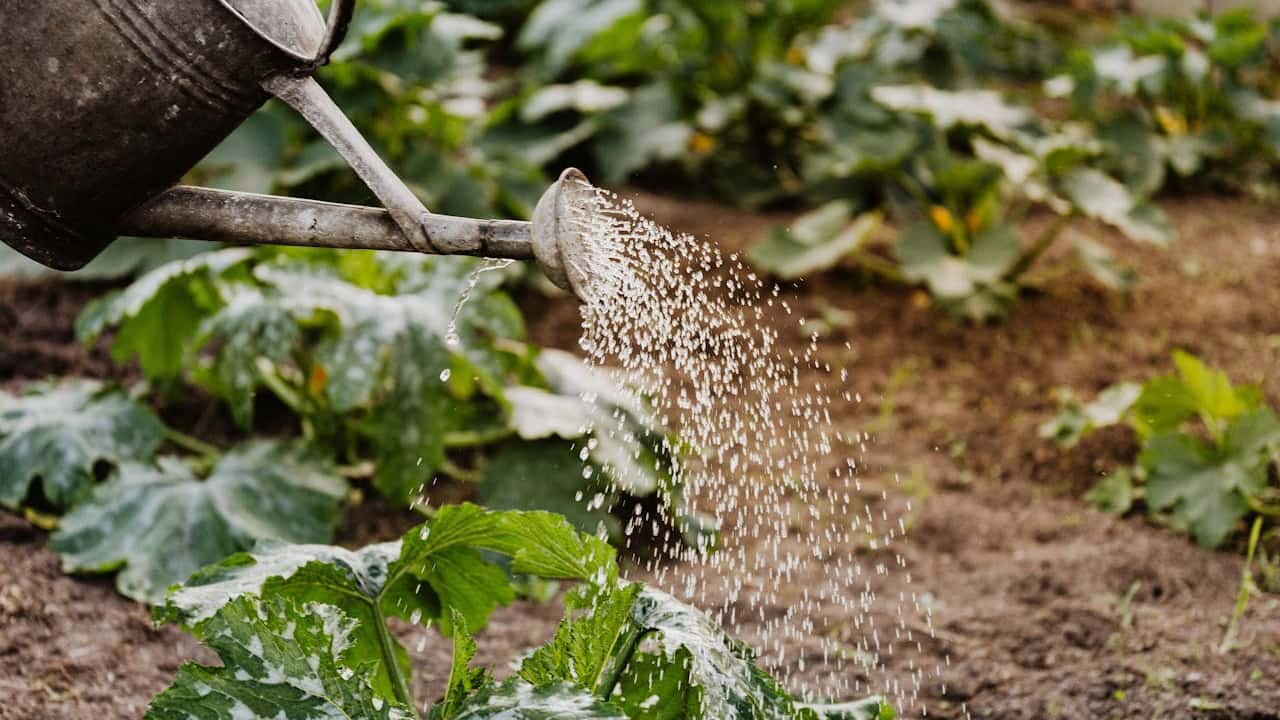
Getting your garden ready for winter means giving it the care it needs to stay healthy through the colder months. Taking some simple steps now can make a big difference when spring arrives.
Preparing your garden properly helps protect plants, soil, and future growth during the quiet winter season. This article will guide you through easy ways to help your garden rest well and come back strong.
Remove dead plants and weeds to keep pests away

You want to clear out any dead plants and weeds from your garden before winter hits. These can harbor pests and diseases that might come back in spring.
If you find diseased plants, don’t compost them—burn or discard them instead. Keeping your garden clean helps reduce problems when growing season returns.
Add 1-2 inches of leaf mulch to protect soil
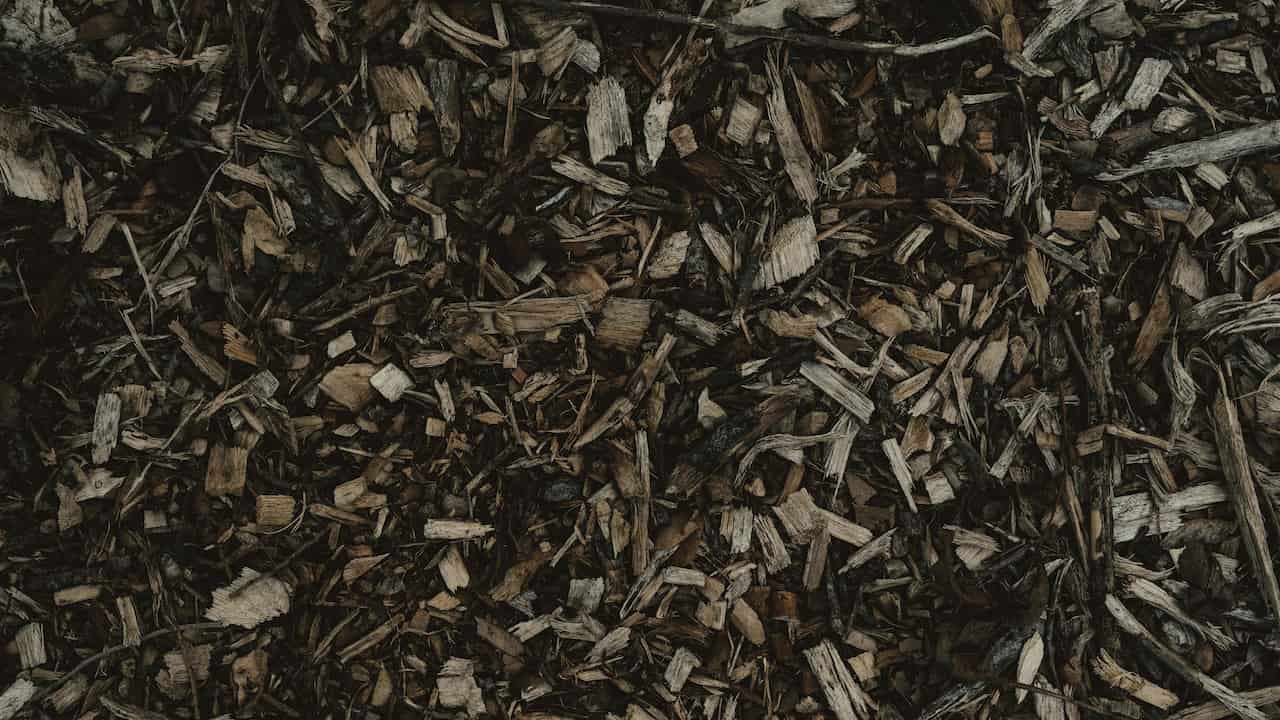
You can use fallen leaves as a natural mulch for your garden. Just rake and spread about 1-2 inches over the soil.
This layer helps keep the soil temperature stable and protects against harsh winter winds. It also prevents moisture loss and stops weeds from growing.
Make sure not to pack the leaves down too tightly. Keep the mulch loose so air and water can still reach the soil.
Lay untreated cardboard to smother grass and weeds

You can lay untreated cardboard directly over grass or weeds to block sunlight and stop their growth. Make sure the cardboard isn’t waxed or treated with chemicals, so it breaks down naturally.
After placing the cardboard, cover it with a thin layer of soil or compost to keep it in place and help it decompose. Water it gently to speed up the process.
This method creates a clean slate for planting in spring without using herbicides. It’s simple and eco-friendly.
Plant cover crops like clover to enrich soil

You can plant cover crops like clover in late summer or early fall. These plants help keep your soil healthy by adding nutrients back in.
Clover works well because it fixes nitrogen, which your garden will thank you for in spring. Plus, it protects the soil from erosion during winter months.
Adding cover crops is an easy way to improve your garden’s overall soil quality while giving it a natural winter rest.
Spread compost over garden beds for nutrients

You can spread a layer of compost over your garden beds before winter sets in. This adds valuable nutrients to the soil while it rests.
Compost helps improve soil structure and supports beneficial microbes. It slowly breaks down and feeds your plants for the next growing season.
Make sure the compost layer is a couple of inches thick to protect the soil from freezing and drying out. This simple step boosts your garden’s health with little effort.
Protect blueberries with soil acidifier and extra mulch
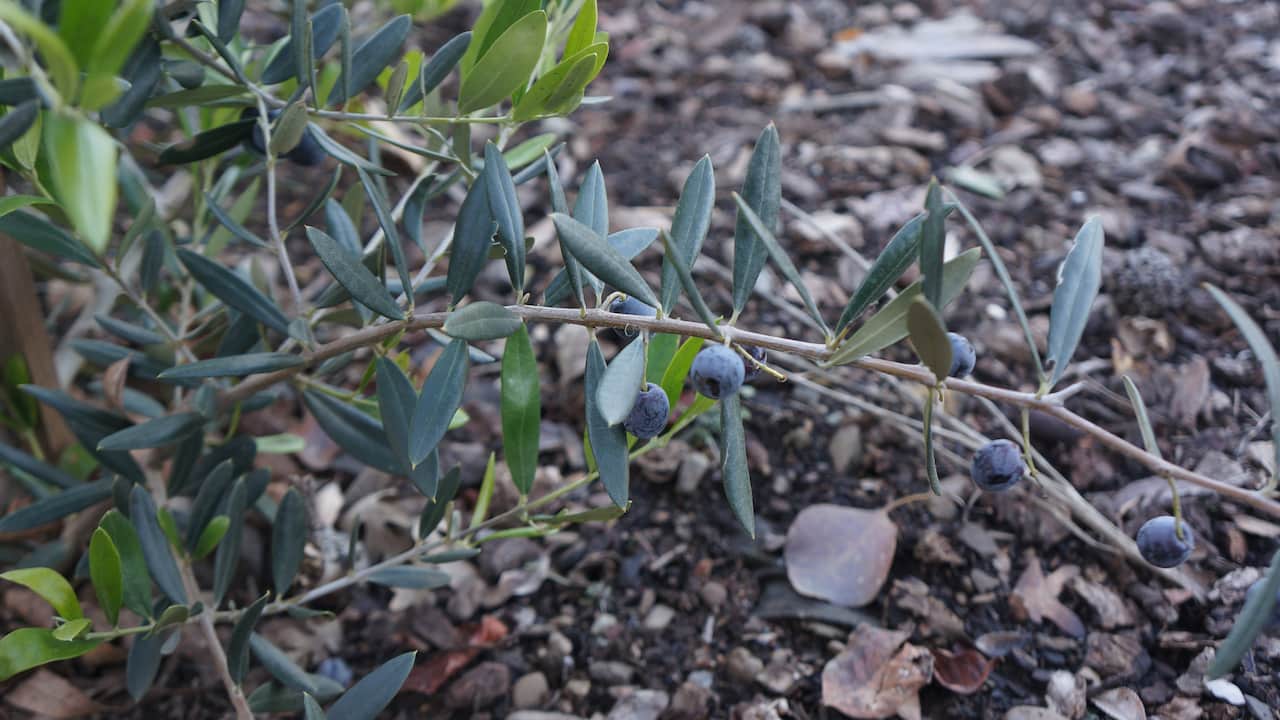
You want to keep your blueberries happy during winter by adding soil acidifier. Use about a quarter to half a cup around each bush in early fall. This helps keep the soil pH in the right range, between 4.5 and 5.5.
Adding a thick layer of mulch will protect the roots from freezing. Use organic mulch like pine needles or wood chips. This also helps retain moisture and keeps weeds down.
Harvest and store vegetables properly for winter

When you harvest your vegetables, do it on a dry day to avoid moisture issues. Dry them in a warm, shady spot for a few weeks if needed, especially root crops like carrots and onions.
Store your veggies in a cool, dark place with good airflow. Using perforated bags or baskets off the floor helps prevent mold and keeps things fresh longer. Some vegetables, like leafy greens, can last a few days in the fridge if you don’t have a cool storage space.
Cover garden beds with straw or leaves to insulate

You can protect your garden beds by covering them with a layer of straw or leaves. This natural mulch helps keep the soil warmer and prevents frost from settling too deeply.
Spread a thick layer that’s enough to shield the soil but not so heavy it smothers the plants underneath. This also helps retain moisture and reduces soil erosion during winter.
If you use leaves, it’s best to mulch them first so they don’t blow away. Straw works well as a stable, breathable cover for your beds.
Move potted plants to sheltered spots or insulate them
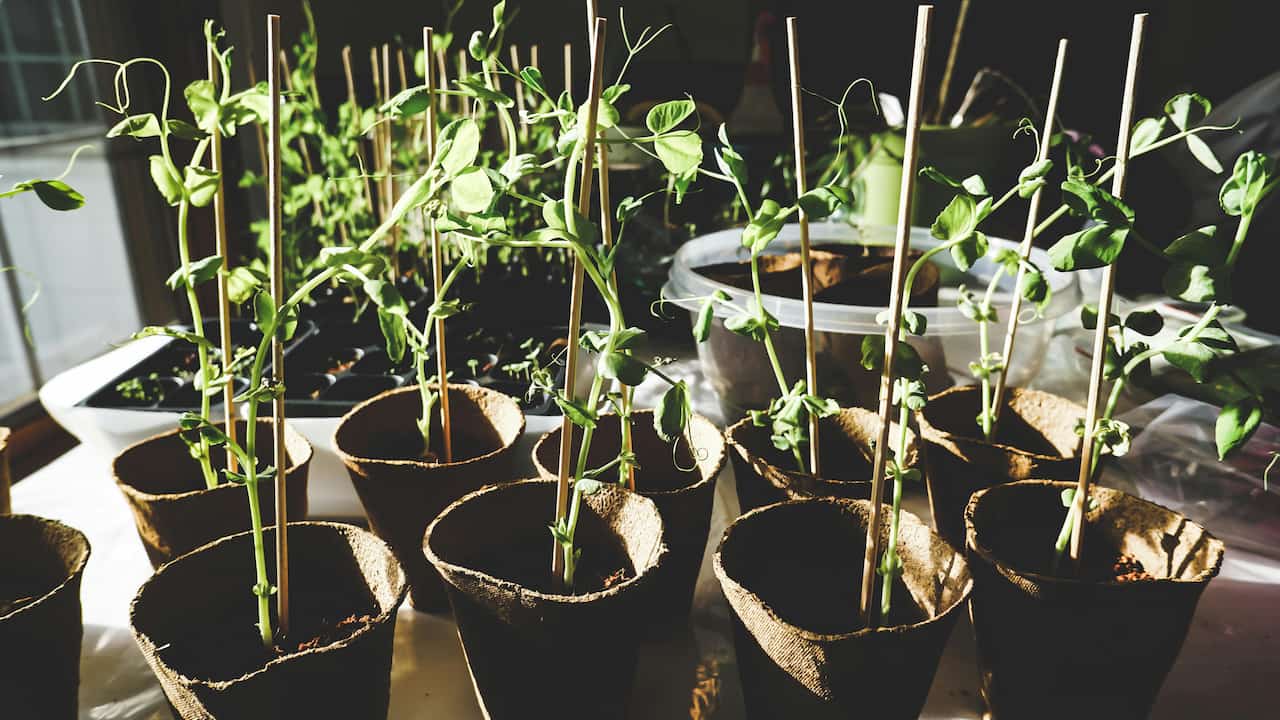
You can protect your potted plants by moving them to a warmer spot, like a garage, porch, or under a covered area. This helps shield them from frost and harsh winds.
If moving them isn’t possible, wrap the pots with materials like bubble wrap, old blankets, or towels. This extra insulation keeps the roots warmer and reduces the risk of freezing.
Avoid placing pots on pallets, as staying close to the ground helps plants stay warmer through winter.
Water plants before the ground freezes to prevent drying
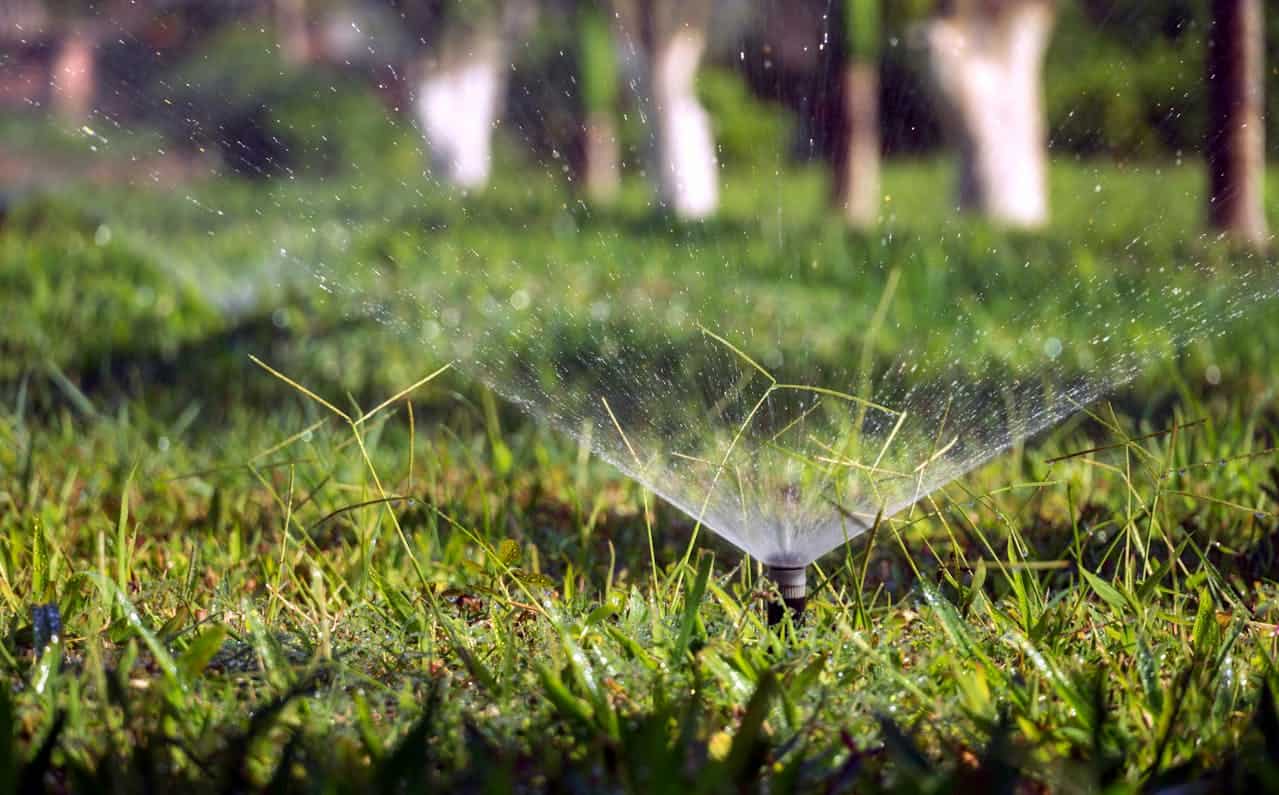
You should water your plants a day or two before a freeze hits. Moist soil holds heat better than dry soil, which helps protect roots from frost.
Watering during the warmer part of the day gives the soil a chance to absorb moisture. This keeps your plants hydrated and prevents winter dryness.
Even though plants grow slower in winter, staying watered before freezing temperatures is important to keep them healthy through the cold months.
Leave a Reply