Designing a flower bed can be a fun way to boost your outdoor space, but it’s easy to make mistakes that affect how everything looks and grows. Getting it right means thinking about how plants work together and how your flower bed fits into the rest of your garden.
Knowing what to avoid helps you create a flower bed that looks great and stays healthy with less hassle. With a bit of attention to common pitfalls, your flower bed can become a standout feature that you’ll enjoy all season long.
Planting sun-loving flowers in shady spots
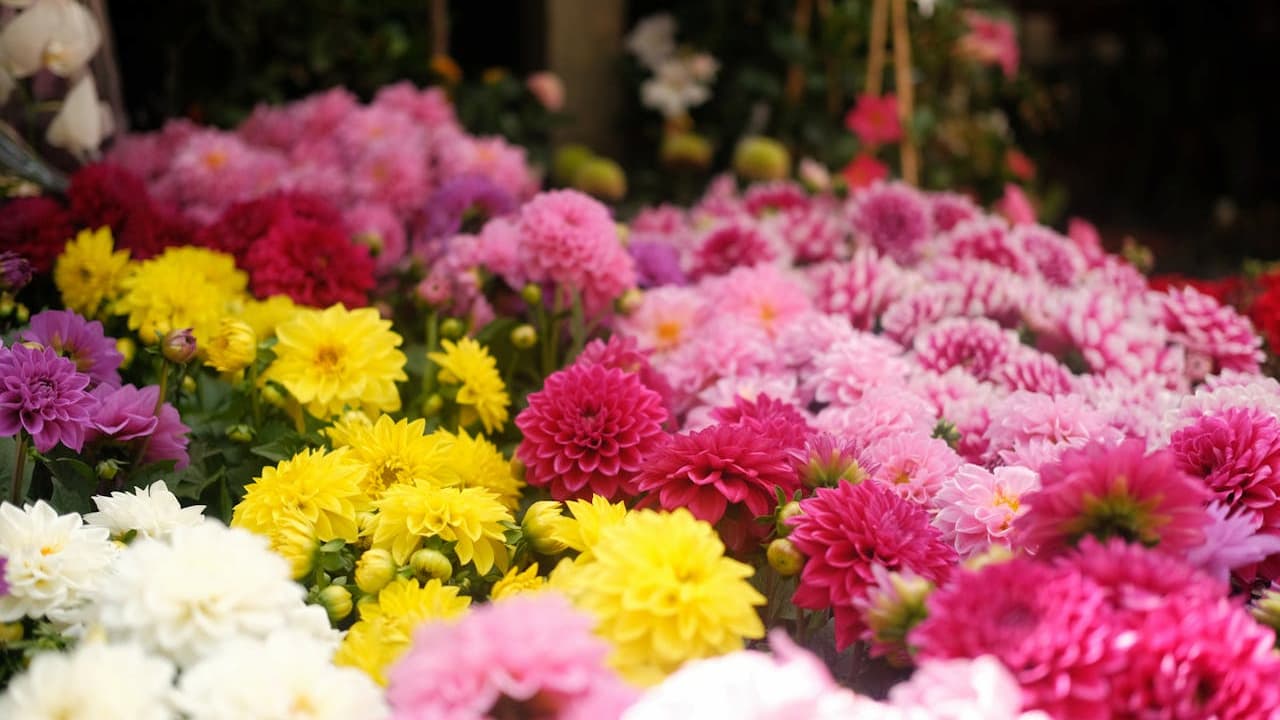
If you put sun-loving flowers in shady areas, they won’t thrive. These plants need plenty of direct sunlight to grow and bloom well.
Your flowers might look weak or fail to blossom if they don’t get enough light. Always check the light requirements before planting.
If a spot is shady, choose plants that can handle low light instead. This will save you time and help your flower bed look better.
Ignoring soil health before planting

You might be excited to pick out flowers, but if you skip checking your soil, your plants could struggle. Healthy soil provides the nutrients and structure your flowers need to grow strong.
Take some time to test your soil’s pH and nutrient levels. You can improve poor soil by adding compost or organic matter before planting. It helps retain moisture and supports roots. Ignoring this step often leads to weak plants and frustrating results later on.
Creating overly skinny borders around flower beds
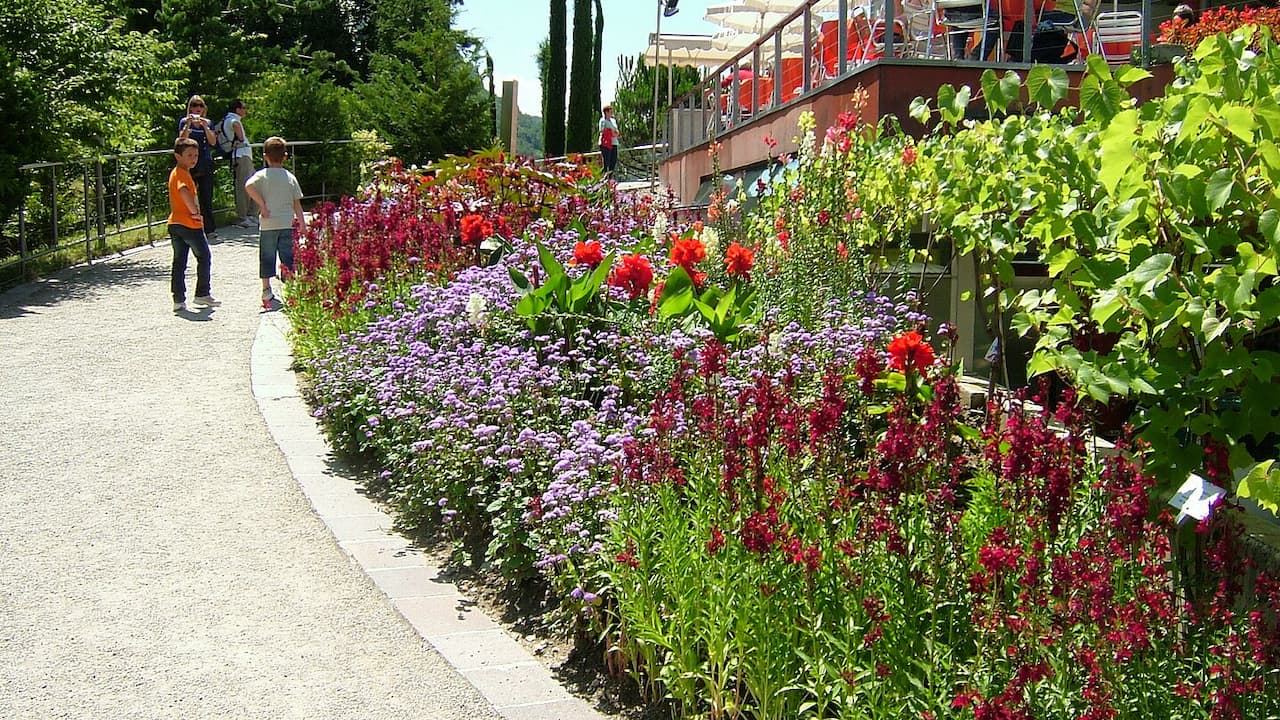
If your flower bed borders are too narrow, it can make the whole area feel cramped and unbalanced. Skinny borders don’t give your plants enough space to grow and can limit how you arrange your garden.
Wider borders let you mix different plants more easily and create a fuller, more natural look. Plus, they make maintenance simpler since you have room to work without stepping on your flowers.
Using only flowering plants without foliage variety
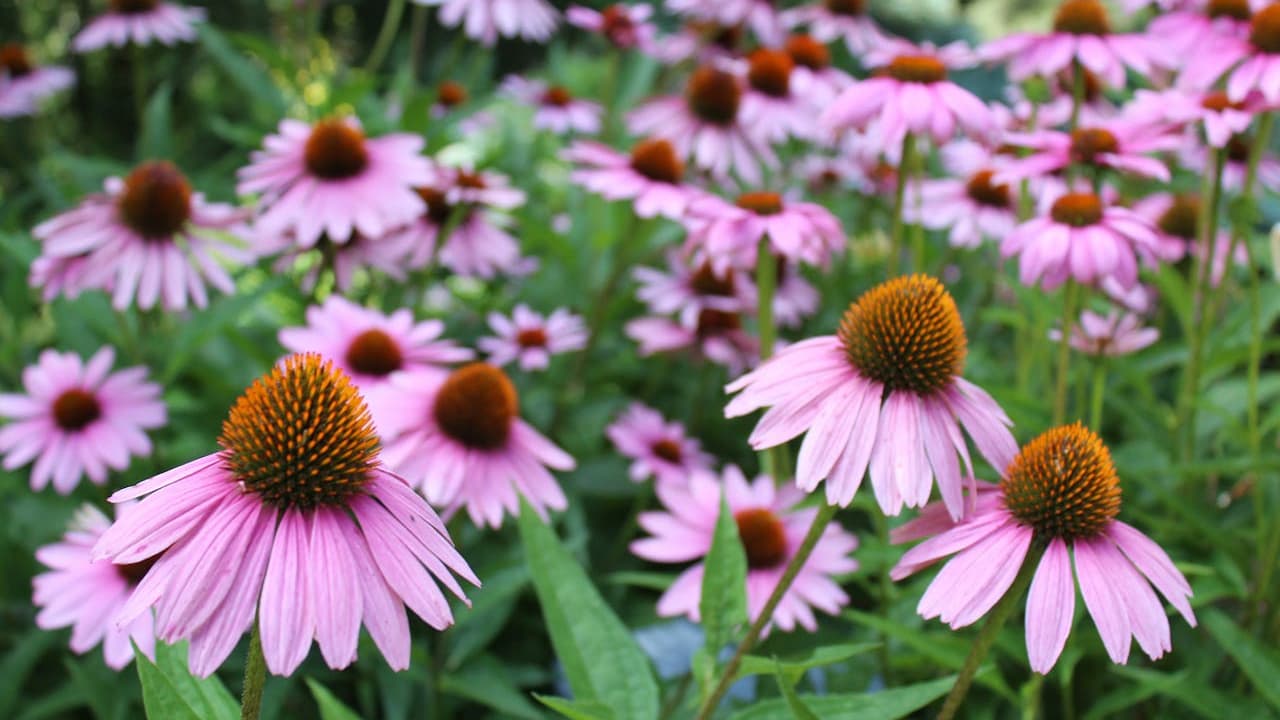
If you fill your flower bed with just blooming plants, it can look flat once the flowers fade. Leaves come in different shapes, sizes, and colors, and they add texture that keeps your garden interesting all season.
Try mixing in plants with attractive foliage to give your flower bed more depth. This way, your flower bed won’t lose appeal when flowers aren’t at their peak.
Putting plants too close together for comfort

When you plant too close, your flowers don’t get enough space to grow. Crowding can lead to poor air circulation, which increases the risk of disease.
It also means your plants will have to compete for water and nutrients. Give each plant enough room to spread out and thrive.
Think about how big each plant will get at full size, not just when it’s young. This helps avoid future overcrowding and keeps your flower bed looking healthy.
Choosing small planters that need constant watering
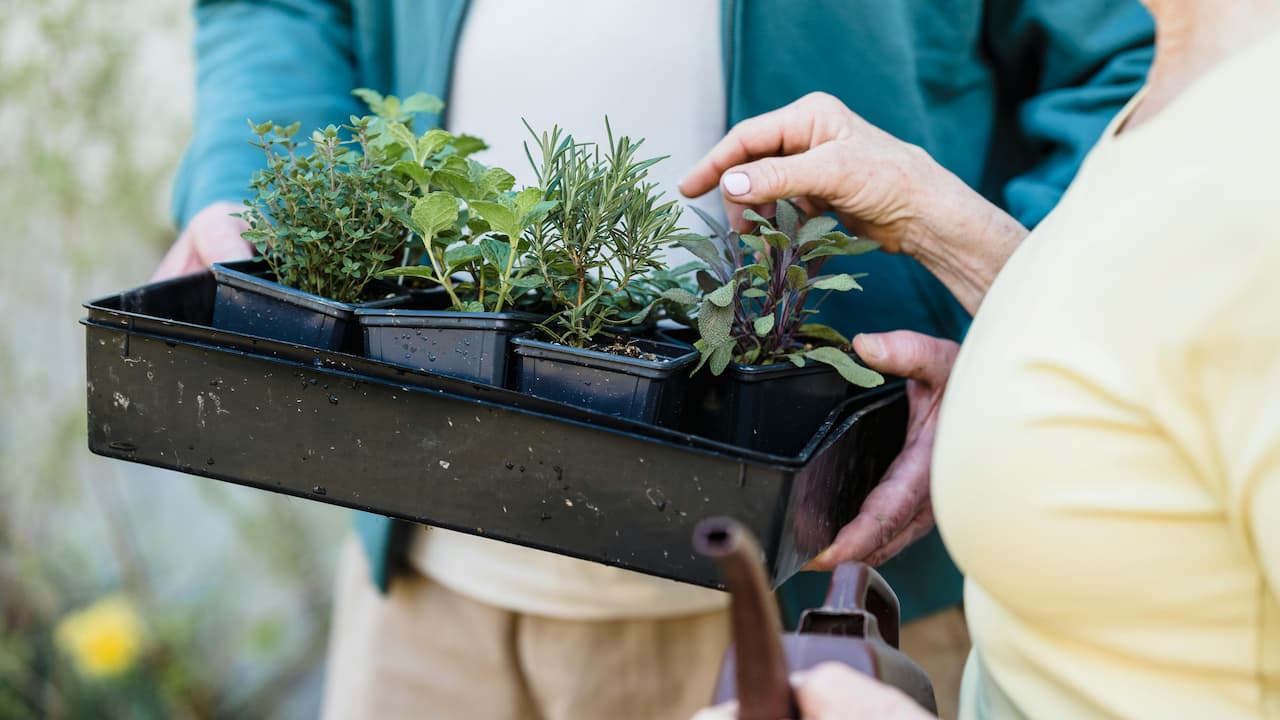
If you pick small planters, be ready to water often. Small containers hold less soil, so they dry out quickly.
This means your plants can stress from not getting enough moisture. It’s easy to forget watering several times a day if it heats up.
Larger pots keep soil damp longer and give plants more stable conditions. Choosing bigger planters saves you time and helps plants stay healthy.
Not considering how plants look in winter
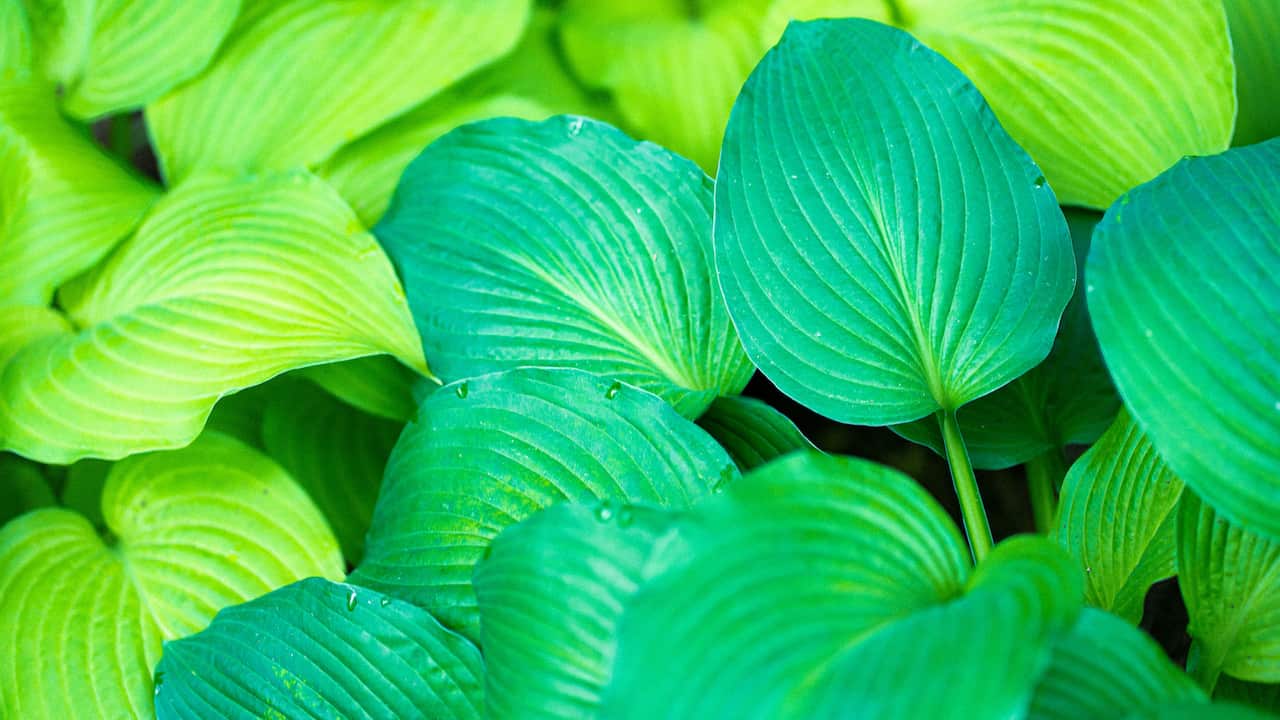
You might love how your flower bed bursts with color in spring and summer, but what happens in winter? If you don’t think about how plants look in the colder months, your garden can end up looking bare or messy.
Choose some plants with interesting winter shapes or textures. Evergreens, plants with colorful stems, or seed heads can keep things looking good even when flowers are gone. This keeps your garden fresh year-round without extra effort.
Blocking your view with tall or misplaced plants

When you place tall plants in the wrong spots, they can block the view of other flowers or garden features. This can make your flower bed feel crowded or unbalanced.
Try to put taller plants toward the back or in corners. This way, shorter plants get enough sunlight and stay visible.
Also, avoid putting big plants where they’ll overshadow smaller ones. Planning plant height carefully helps keep your flower bed looking open and inviting.
Buying all plants in full bloom without timing
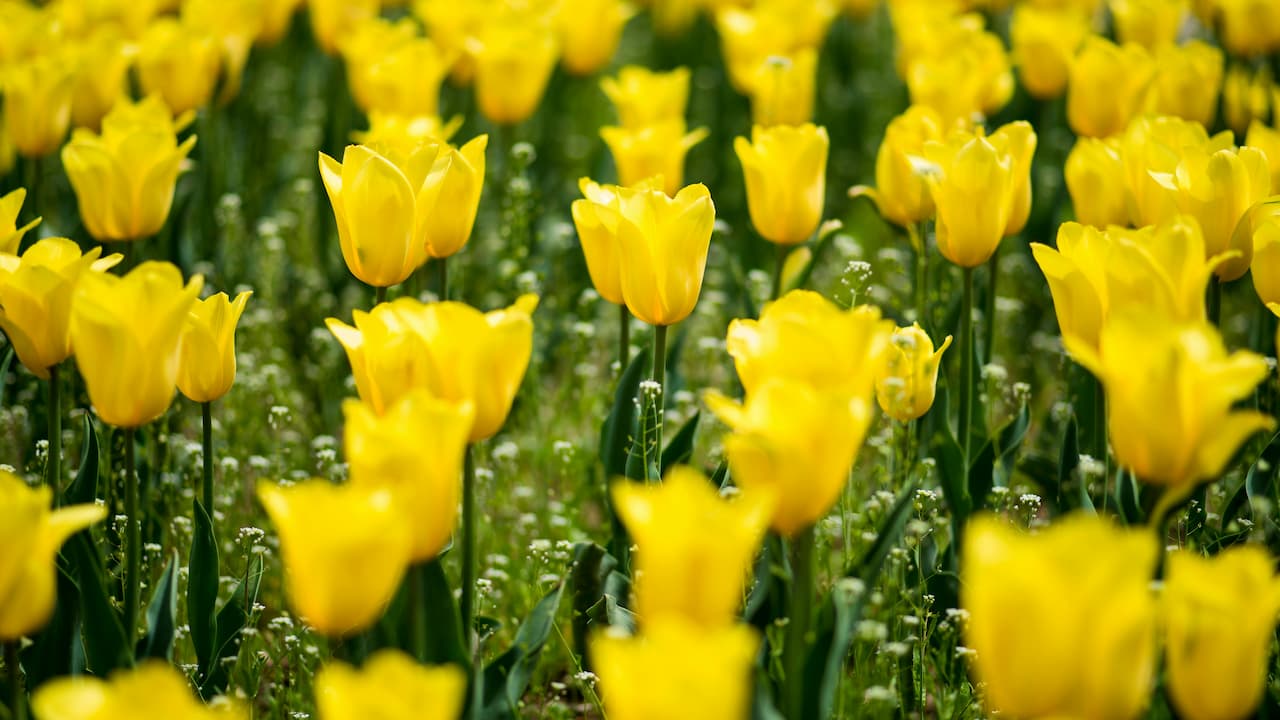
When you buy plants already in full bloom, their flowers might fade quickly once you bring them home. This can leave your flower bed looking empty faster than you expect.
You want to consider the bloom cycle of each plant. Picking plants before or after peak bloom can extend the color and interest in your garden.
Timing your purchases helps you avoid rushed replacements and keeps your flower bed vibrant longer.
Skipping stepping stones to divide large beds
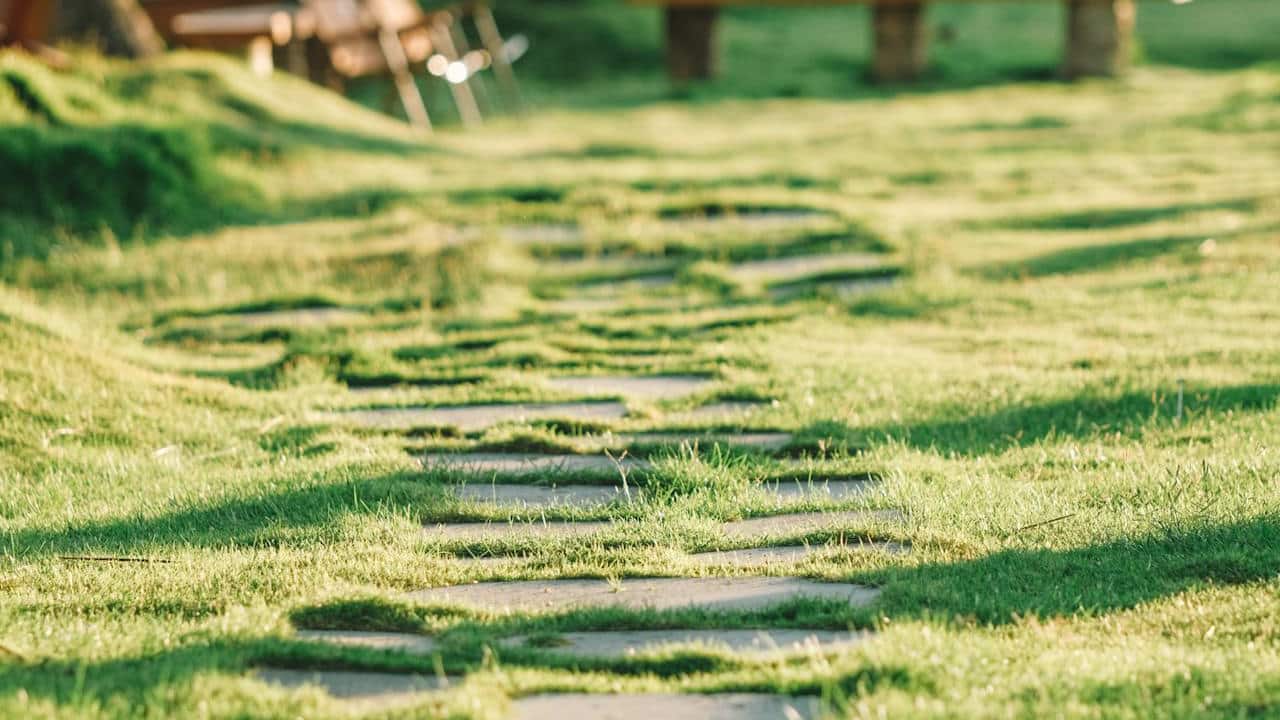
If you have a big flower bed, skipping stepping stones can make it hard to reach plants without trampling them. Adding stones creates clear paths, so you can easily care for your flowers.
Stepping stones also break up the space visually, making large beds look more organized. They give you a solid surface to walk on, especially after rain when the ground is soft.
Leave a Reply