
As the seasons change, so do your expenses, especially during fall and winter. You might notice higher heating bills, holiday shopping, and other costs that can quickly add up. Managing these shifts in your budget doesn’t have to be stressful if you plan ahead.

Knowing how to adjust your budget seasonally helps you stay on track without putting a strain on your finances. By understanding the typical seasonal expenses and preparing for them, you can keep your spending in check and avoid surprises that disrupt your financial goals.
Set up a dedicated ‘Fall/Winter Buffer’ savings account for seasonal expenses
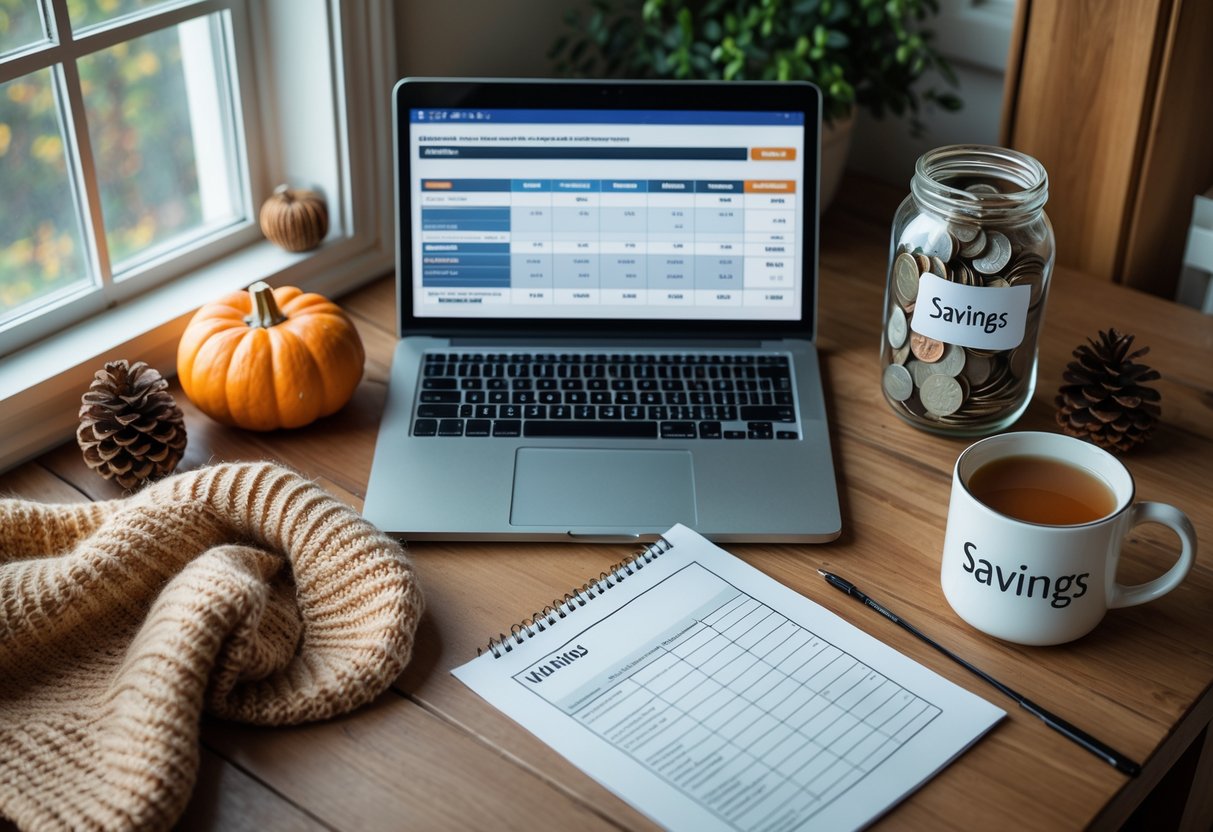
Create a separate savings account just for your fall and winter costs. This helps you avoid mixing this money with your everyday spending or general savings.
Automate transfers into this account each month, so saving happens without extra effort. This way, when heating bills or holiday expenses show up, your buffer has you covered.
Labeling the account clearly keeps things organized. It also makes it easier to track and stick to your seasonal budget without stressing about surprise costs.
Automate monthly transfers of $100 or more to cover higher heating and utility bills
You can make managing those higher fall and winter bills easier by setting up automatic transfers. Schedule at least $100 each month to move from your checking to a savings account dedicated to utilities and heating.
Automating this helps you avoid surprises and late fees. Try timing the transfer right after payday so you save before you spend.
This simple step reduces stress and keeps you prepared. Plus, it creates a buffer so your account won’t feel the hit all at once when bills arrive.
Plan your Halloween and Thanksgiving budgets, including decorations and candy.
Start by setting a clear budget for Halloween and Thanksgiving early in the season. Break it down into categories like costumes, decorations, candy, and food.
For Halloween, figure out exactly how much candy you’ll need to avoid overspending. DIY costumes and decorations can save money and add a fun personal touch.
With Thanksgiving, focus on affordable options like potluck dinners or generic brands. Planning ahead helps keep holiday spending stress-free and manageable.
Track holiday gift shopping early to avoid last-minute overspending
Start your gift list early and note down everyone you plan to buy for. Assign a spending limit for each person so you don’t go over budget.
When you begin shopping ahead of time, you spread out costs and can take advantage of sales. This helps you avoid the stress and extra spending that come with last-minute shopping.
Keeping track also means you won’t forget anyone or buy duplicates. Using a list or an app makes it easier to see where your money is going.
Review and cut unnecessary subscriptions before winter sets in
Take some time to list all your current subscriptions. Check streaming services, apps, or meal kits you rarely use.
You can use budgeting apps or simply scan your bank statements to spot recurring charges. Cancel anything you don’t need.
Focus on keeping subscriptions that add real value, especially as winter approaches. Cutting extras now frees up money for essentials later.
Prepare for increased grocery costs by stocking up on staples in advance
You’ll want to buy key staples before prices go up for the season. Items like rice, beans, pasta, and cooking oils last long and can be bought in bulk.
Shopping sales and using coupons can help keep costs down. Stocking up now means you won’t have to scramble during price spikes or shortages later.
Also, having a good pantry stash makes meal planning easier when weather is bad or stores run low on supplies. It’s a simple way to stretch your budget through fall and winter.
Schedule a home energy audit to identify ways to reduce heating costs
You can save money this season by scheduling a home energy audit. It helps you spot where your home is losing heat and wasting energy.
An audit checks insulation, windows, and your heating system’s efficiency. Finding leaks or weak spots means you can fix them and lower your bills.
This process also highlights small changes that make your home more comfortable. It’s a simple step to control heating costs without guessing where the problems are.
Set a holiday travel budget and book early to lock in lower prices
Start by deciding how much you want to spend on holiday travel. Having a clear budget helps you avoid overspending and keeps your plans realistic.
Booking early, especially in August or a couple of months before your trip, often means better prices. You get access to lower fares, more options, and less stress as the holiday season gets closer.
Waiting too long can lead to last-minute price spikes. Locking in your tickets early gives you peace of mind and makes it easier to stick to your budget.
Leave a Reply