
As the growing season winds down, you might think your garden has reached its final stage for the year. But mid-November can still be a great time to improve your soil and prepare for next spring with the right cover crops.
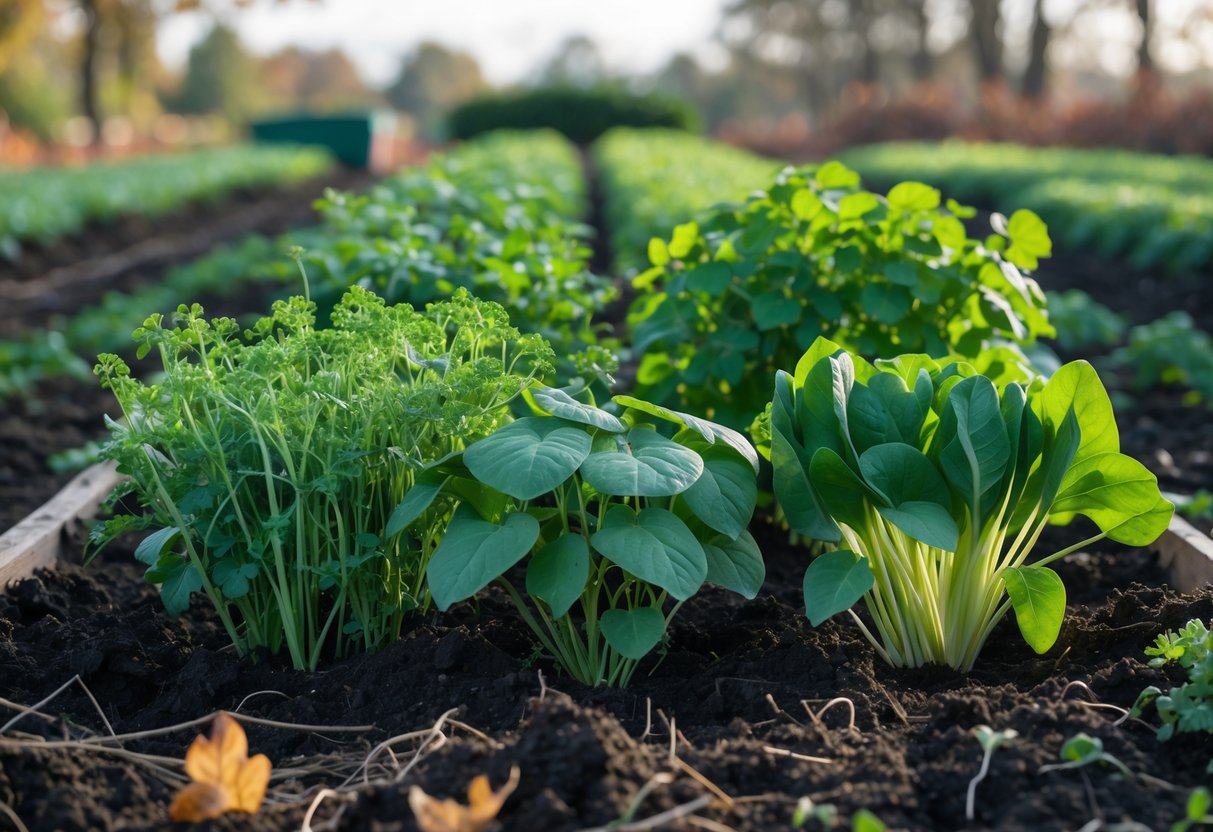
Cover crops help protect your soil through winter by preventing erosion, reducing compaction, and adding nutrients naturally. They are a smart way to keep your garden healthy and ready for future planting, even as temperatures drop.
Winter Rye
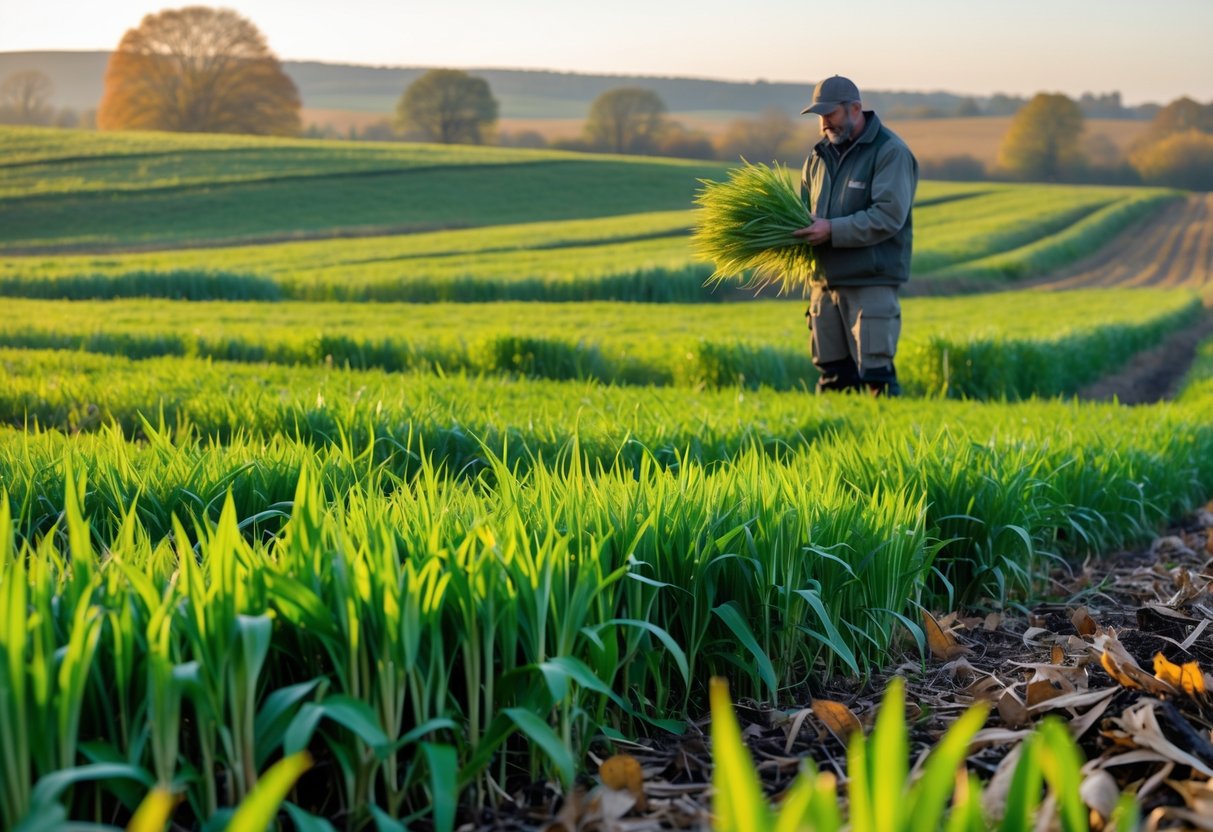
Winter rye is a solid choice if you want a cover crop that can handle the cold. You can still plant it in mid-November in most places, and it will sprout quickly if the soil stays moist.
It grows fast, developing strong roots that help prevent soil erosion. Plus, it adds organic matter, which improves your soil for next spring.
If you don’t have rye seed, winter wheat is a decent alternative to try. Just plant about an inch deep, and you’ll have green shoots popping up in about a week or two.
Hairy Vetch
You can still sow hairy vetch in mid-November, especially if your soil is ready. It’s a winter-hardy cover crop that fixes nitrogen, which helps improve your soil’s fertility.
Hairy vetch grows slowly in the fall but develops roots throughout winter. Come spring, it quickly spreads and can cover your garden with a thick, leafy mat that suppresses weeds.
Scatter the seeds evenly and lightly rake them into the soil. After planting, water well to help the seeds get established before frost hits.
Crimson Clover
If you’re looking to boost your soil this late in the season, crimson clover is a solid choice. It’s a quick-growing legume that adds nitrogen to your garden naturally.
Plant it about 6-8 weeks before the first frost, which works well for mid-November. Crimson clover protects your soil through winter and helps reduce compaction with its strong roots.
You’ll also get a nice splash of color while it grows. Just make sure your soil drains well because it doesn’t like soggy spots. It’s a low-maintenance way to improve soil health for spring planting.
Field Peas
If you’re looking for an easy cover crop to plant in mid-November, field peas are a solid choice. They grow quickly and help add nitrogen back into your soil, which is great for your next planting.
You don’t have to worry about tilling them in come spring because they break down pretty naturally. Plus, they help prevent soil erosion and improve soil structure over the winter.
Planting field peas is simple, and they work well even if your garden beds are empty for a while. Just make sure to sow them early enough in the month so they have time to establish before it gets too cold.
Oats
If you’re looking for a quick-growing cover crop, oats are a solid choice. They germinate fast and help reduce soil erosion while adding organic matter to your garden.
Oats usually winter kill in colder areas, so you won’t have to worry about springtime termination. You can even mix them with legumes like clover or peas for extra soil benefits.
Planting oats in mid-November works best if your region hasn’t had a hard frost yet. Just keep in mind they won’t grow much if it’s too late into the season.
Austrian Winter Peas
If you’re looking for an easy cover crop to plant in mid-November, Austrian Winter Peas are a solid choice. They grow quickly, even in cool weather, and help add nitrogen back into your soil.
These peas can handle colder temperatures better than some other peas, so they’ll protect your garden through winter. Plus, they’re great for attracting bees in early spring.
You can plant them now and enjoy tender greens, or just let them work on improving your soil. Just watch out for white mold in wet conditions, especially if you’re in a humid area.
Leave a Reply