A sudden hard freeze can catch any gardener off guard, putting your plants at risk of frost damage or even death. Knowing how to respond quickly and effectively can mean the difference between saving your garden and losing important greenery.
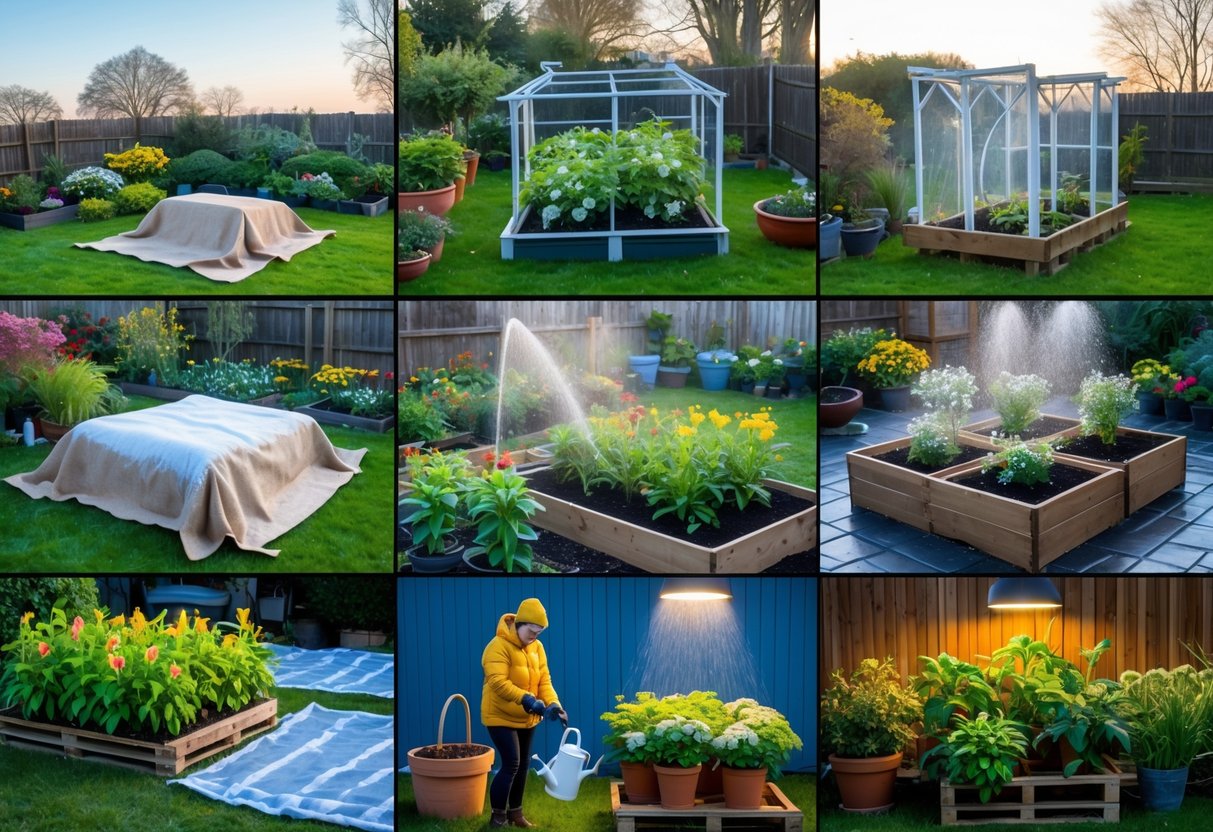
You’ll learn simple, practical ways to protect your garden from unexpected freezes and keep your plants safe until warmer weather returns. Being prepared helps you protect your time and effort spent growing a healthy garden.
Cover plants with breathable frost cloths or old bedsheets at dusk
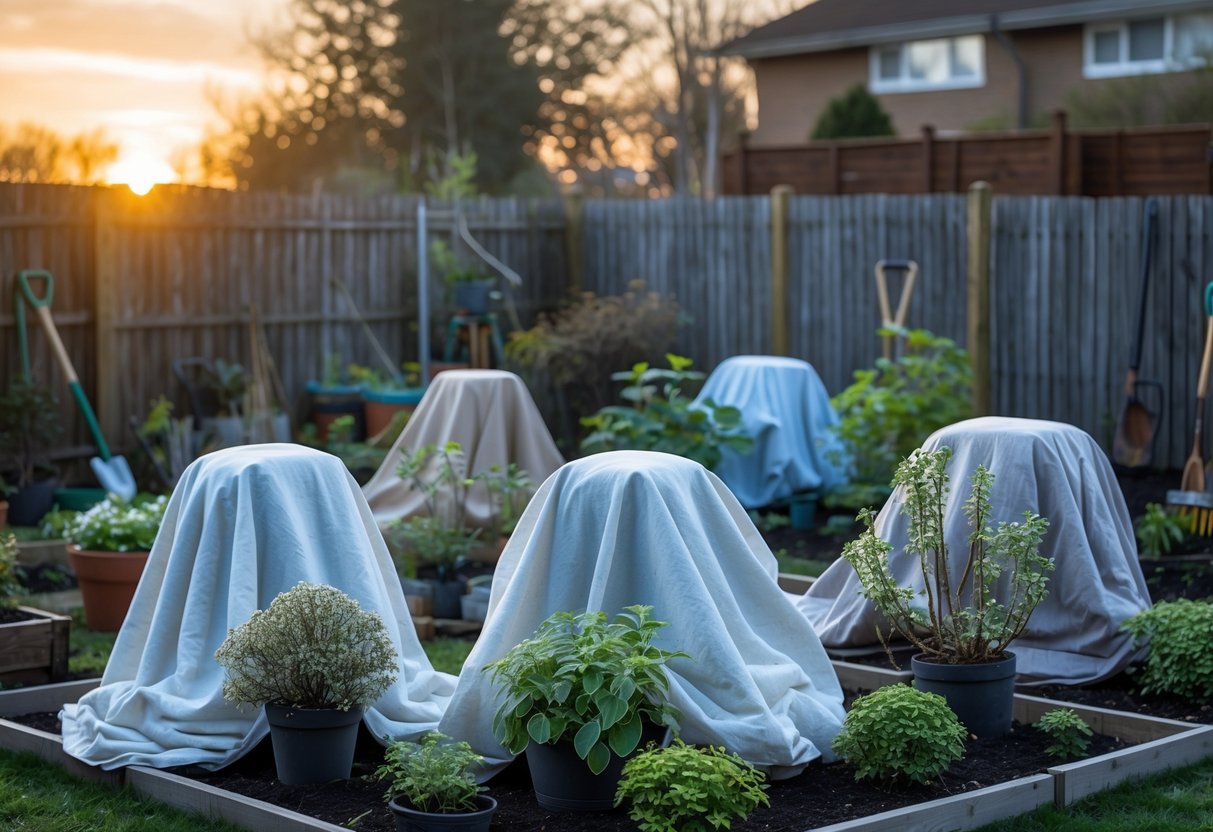
When a hard freeze is coming, cover your plants as the sun goes down. Using a breathable frost cloth or even old bedsheets traps warmth from the soil and shields leaves from frost.
Make sure the covering reaches the ground to hold in heat properly. Avoid heavy blankets that can suffocate plants or press on delicate leaves.
These materials are easy to find and cost-effective. Just remember to remove them in the morning once temperatures rise to prevent overheating or moisture build-up.
Water garden soil thoroughly before the freeze hits
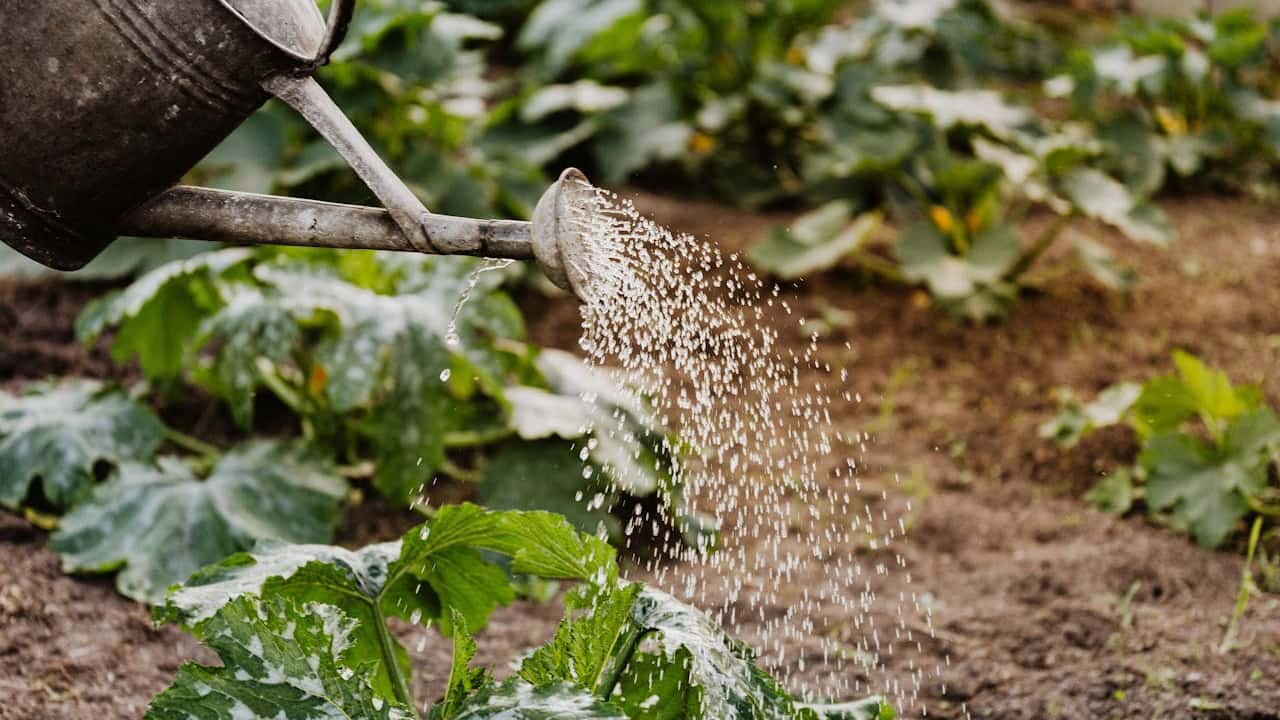
Before a hard freeze, give your garden soil a good soak. Moist soil holds heat better than dry soil, which helps keep roots warmer overnight.
Try to water the soil in the morning so it has time to absorb the moisture before temperatures drop.
Focus on watering the ground, not the leaves. Wet leaves are more likely to get damaged by frost.
This simple step creates a small temperature buffer to protect your plants during cold nights.
Add a thick layer of mulch around plant roots for insulation
When a hard freeze hits, mulch is your garden’s best friend. By adding a 2- to 4-inch layer around your plants’ roots, you create a cozy blanket that helps keep the soil temperature steady. This slows down freezing and thawing cycles that can damage roots.
Use organic materials like straw, shredded leaves, or wood chips. Avoid fresh wood chips since they can pull nitrogen from the soil. Mulching also reduces moisture loss, so your plants stay hydrated through cold spells. It’s an easy way to give your garden some extra protection when the temps drop fast.
Bring potted plants indoors or into a garage
When a hard freeze is coming, the easiest way to protect your potted plants is to bring them indoors. A sunny windowsill works well for plants that need light but can’t handle the cold.
If you don’t have space inside, an unheated garage or shed is a good alternative. These spots provide shelter from frost and wind but won’t be too warm, which helps your plants stay healthy.
Make sure to check on your plants regularly and water them just enough. Overwatering can cause problems, especially when they’re not actively growing in the winter.
Use cloches or plastic tunnels to trap warmth
You can protect your plants from a hard freeze by covering them with cloches. These are like mini-greenhouses that trap heat and shield plants from frost.
Plastic tunnels or hoop houses work similarly. They create a warmer microclimate around your garden, keeping temperatures more stable during cold nights.
Both options help extend your growing season by protecting plants when temperatures suddenly drop. They’re easy to set up and remove as needed.
Avoid pruning plants before a freeze to help them retain energy
You should hold off on pruning your plants right before a hard freeze. Pruning can stress plants, making them weaker and less able to handle cold temperatures.
When you prune, plants lose some of their stored energy. Keeping branches and leaves intact helps them conserve that energy to survive the freeze.
Wait until after the cold snap and any visible frost damage before trimming. This way, you avoid accidentally harming your plants during their most vulnerable time.
Leave a Reply