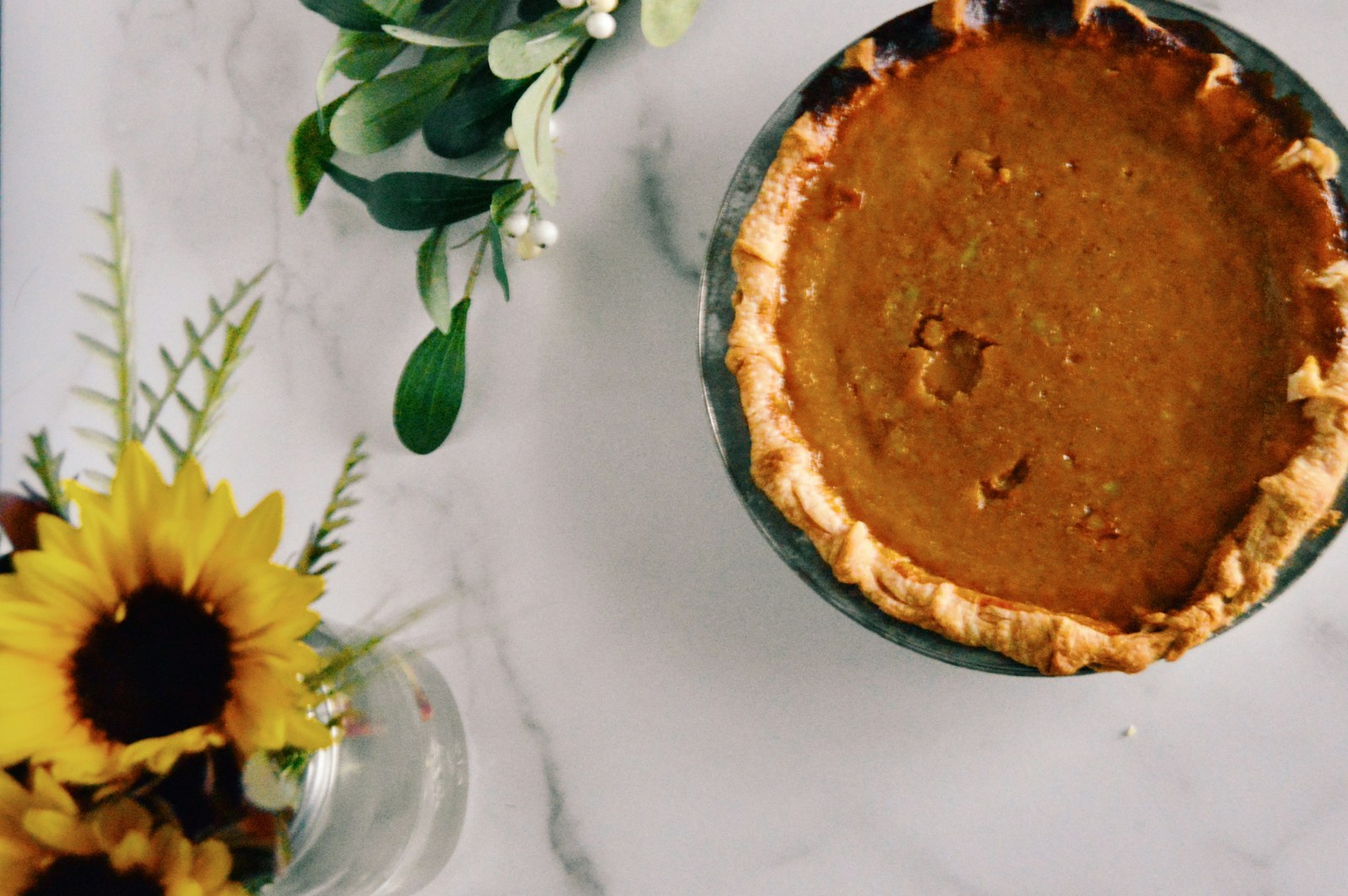
Chain restaurant pumpkin pie has quietly become a holiday staple, filling dessert tables for office potlucks, Friendsgiving spreads, and last‑minute family gatherings. With so many national brands selling whole pies to go, the quality gap between a forgettable slice and a genuinely impressive dessert is wider than many diners realize. This ranking sorts seven major chains from the most underwhelming options to the rare pies that are actually worth planning a pickup around.
To separate the duds from the standouts, this guide leans on expert taste tests, nutritional data, and menu details to evaluate crust texture, spice balance, sweetness, and overall value. The result is a clear hierarchy that helps holiday hosts decide when a chain pie is a smart shortcut and when it is better to keep walking past the dessert case.
7. Costco: Big, Cheap, and Surprisingly Bland
Costco’s pumpkin pie is famous for its sheer size and low price, but volume alone does not guarantee a memorable dessert. Multiple taste tests describe the warehouse favorite as mild to the point of monotony, with a filling that leans more on sweetness than on assertive pumpkin flavor or warm spice complexity. The crust, while sturdy enough to support the oversized slice, is often criticized as dense and utilitarian rather than flaky or buttery, which leaves the overall experience feeling more functional than festive. Reviewers who sampled the pie alongside competitors noted that it can taste one‑note and flat when compared with more carefully seasoned options from other chains, even if it looks impressive on a buffet table.
Where Costco does excel is consistency and value, which explains why its pumpkin pie remains a default choice for large gatherings. The chain’s bakery operation turns out thousands of identical pies each day, and reporting on its production process highlights how tightly controlled the recipe and baking times are to keep texture uniform across locations. Nutritional breakdowns also show that a typical slice delivers a heavy sugar load relative to its pumpkin and spice profile, which helps explain why some tasters find it cloying after a few bites. For hosts who simply need an inexpensive dessert to feed a crowd, Costco still delivers, but for anyone chasing standout flavor, the pie’s muted character keeps it anchored at the bottom of this ranking.
6. Walmart and Sam’s Club: Serviceable, But Strictly Backup Options
Grocery‑adjacent chains like Walmart and Sam’s Club occupy a middle ground where convenience is high but culinary ambition is limited. Their seasonal pumpkin pies are widely available and often deeply discounted, yet expert panels tend to describe them as generic, with a filling that can veer into canned‑tasting territory and a crust that softens quickly once sliced. In comparative tastings, these pies rarely earn top marks for texture or spice balance, instead landing in the “fine if you must” category that works for casual office gatherings but not for guests who pay attention to dessert details. The flavor profile typically leans heavily on sugar and cinnamon, with less nuance from nutmeg, clove, or real pumpkin depth.
Ingredient lists and nutritional information reinforce that these pies are engineered for shelf life and mass production rather than bakery‑style finesse. Reports on their bakery operations note the use of stabilizers and partially pre‑baked components that help the pies travel and sit in refrigerated cases for extended periods. That approach keeps prices low and availability high, especially at Sam’s Club where bulk shoppers can grab multiple pies at once, but it also contributes to a slightly rubbery filling texture and a crust that lacks the crisp snap of a freshly baked pastry. For shoppers already in the store who need a last‑minute dessert, these pies are acceptable, yet they remain backup choices rather than destination‑worthy treats.
5. Cracker Barrel: Nostalgic Flavor, Inconsistent Execution
Cracker Barrel leans heavily on nostalgia, and its pumpkin pie aims to evoke the kind of dessert that might appear at a family farmhouse table. Taste tests often praise the chain’s use of warm spices and a richer pumpkin flavor than many grocery‑style competitors, which gives each slice a more homemade impression. However, the execution can vary significantly from location to location, with some diners reporting a custard that sets beautifully and others encountering a slightly weepy or overbaked filling. That inconsistency keeps Cracker Barrel from climbing higher in the ranking, even though its flavor profile is more thoughtfully balanced than many mass‑market pies.
Menu descriptions and seasonal promotions emphasize that the pie is baked in‑house, and reporting on the chain’s holiday offerings confirms that it is marketed as a limited‑time bakery item rather than a year‑round staple. Nutritional data shows a relatively high fat content, which contributes to a creamier mouthfeel when the pie is handled correctly, but also means that overbaking can quickly tip the texture from silky to dense. Reviewers who sampled the pie alongside other chain options noted that the crust has a pleasant, slightly salty edge that plays well with the sweet filling, yet occasional complaints about soggy bottoms or uneven browning suggest that training and oven calibration vary across the system. For diners who already plan to pick up a holiday meal from Cracker Barrel, the pumpkin pie is a reasonable add‑on, but it is not consistent enough to justify a special trip on its own.
4. Marie Callender’s and Perkins: Classic Diner Pies With Solid Technique
Traditional diner chains like Marie Callender’s and Perkins have built their reputations on pie cases, and their pumpkin offerings reflect that deeper baking culture. Taste tests frequently highlight a more pronounced pumpkin flavor and a better‑balanced spice mix than what is found at big‑box retailers, along with crusts that show real attention to lamination and browning. In side‑by‑side comparisons, these pies tend to deliver a cleaner slice, a custard that holds its shape without cracking, and a texture that feels closer to what a skilled home baker might produce. That combination of technique and flavor lifts them above the more industrial pies, even if they still fall short of the very best chain options.
Menu details and nutritional disclosures indicate that both Marie Callender’s and Perkins rely on recipes that prioritize butter or high‑quality shortenings in the crust, which contributes to a flakier structure and more satisfying bite. Reporting on their holiday pre‑order programs shows that pumpkin pie is treated as a marquee seasonal item, often promoted alongside apple and pecan as part of multi‑pie bundles. Reviewers who sampled these pies noted that the sweetness level is more restrained than at warehouse clubs, allowing the natural squash flavor and spice blend to come through, and that the crust remains pleasantly crisp even after a day in the refrigerator. For hosts who want a reliable, classic pumpkin pie without baking from scratch, these diner chains offer a strong middle‑tier choice that feels comfortably traditional.
3. The Cheesecake Factory: Rich, Dessert‑Bar Style Pumpkin Pie
The Cheesecake Factory approaches pumpkin season with the same maximalist mindset that defines its regular dessert menu, and its pumpkin offerings reflect that indulgent style. Rather than a straightforward bakery pie, the chain leans into hybrid desserts like pumpkin cheesecake and pumpkin pecan cheesecake, which combine dense, creamy fillings with graham cracker or nut‑based crusts. Taste tests consistently praise the intensity of flavor and the luxurious texture, noting that the pumpkin spice profile is bold without tipping into artificial territory. While purists may argue that these are not traditional pies, the overall experience is so satisfying that they easily outclass many conventional crust‑and‑custard competitors.
Nutritional information underscores just how rich these slices are, with calorie counts that can rival or exceed some full meals, yet that decadence is part of the appeal for diners seeking a showpiece dessert. Menu descriptions highlight the use of real pumpkin and cream cheese, and reviewers who sampled the seasonal slices alongside standard pumpkin pies remarked on the superior mouthfeel and more complex layering of flavors. The crusts, often built from spiced cookie or graham crumbs, avoid the sogginess that plagues many chain pies and instead provide a crisp, buttery contrast to the silky filling. For holiday hosts willing to trade strict tradition for crowd‑pleasing indulgence, The Cheesecake Factory’s pumpkin desserts function as an upgraded, dessert‑bar style alternative that still scratches the seasonal itch.
2. Village Inn and Bakers Square: Regional Chains With Bakery‑Level Craft
Regional pie specialists like Village Inn and Bakers Square may not have the national footprint of warehouse clubs or casual‑dining giants, but their pumpkin pies routinely impress in expert rankings. These chains treat pie as a core identity rather than a seasonal add‑on, and that focus shows in the details: crusts that are properly laminated and evenly browned, fillings that strike a careful balance between pumpkin, spice, and sweetness, and slices that hold their shape without weeping or cracking. Taste panels often single out the texture as a standout feature, describing a custard that is smooth and velvety rather than gelatinous or grainy, which helps each bite feel closer to a bakery product than a mass‑produced dessert.
Holiday ordering guides and promotional materials emphasize that pumpkin is one of the flagship seasonal flavors, often featured alongside French silk and pecan in pre‑order bundles. Nutritional disclosures reveal a moderate sweetness level compared with some competitors, which aligns with reviewers’ observations that the pies taste more balanced and less sugary. Reports on customer satisfaction note that regulars return specifically for these pies during the fall, treating them as a reliable centerpiece for Thanksgiving tables. While availability is limited to the regions where these chains operate, their combination of technique, flavor, and consistency makes them some of the strongest pumpkin pies in the chain restaurant landscape, especially for diners who prioritize a classic profile executed with bakery‑level craft.
1. Whole Foods Market: Best‑in‑Class Flavor With a Cleaner Ingredient List
Whole Foods Market tops the ranking by delivering a pumpkin pie that satisfies both flavor‑focused diners and those who scrutinize ingredient labels. Expert taste tests frequently place its seasonal pies at or near the top, praising a filling that tastes distinctly of real pumpkin rather than generic spice, with a restrained sweetness that lets cinnamon, nutmeg, and clove come through clearly. The crust is typically described as tender and flaky, with a buttery flavor that holds up even after refrigeration, which sets it apart from the cardboard‑like shells common in lower‑tier options. In side‑by‑side comparisons, Whole Foods’ pie often emerges as the closest analogue to a well‑executed homemade dessert, which is exactly what many holiday hosts want from a store‑bought shortcut.
Ingredient lists and product descriptions highlight the use of recognizable components, including real pumpkin puree, sugar, eggs, and dairy, with fewer artificial additives than many mass‑market competitors. Nutritional data shows that while the pie is still an indulgence, it avoids some of the ultra‑processed stabilizers and high‑fructose sweeteners that appear in other chain pies, a distinction that resonates with shoppers who prioritize cleaner labels. Reporting on Whole Foods’ in‑house bakery operations notes that many locations bake pies on site, which helps preserve crust texture and filling quality during the peak holiday rush. For consumers willing to pay a modest premium in exchange for better ingredients and more carefully tuned flavor, Whole Foods Market offers a pumpkin pie that genuinely earns a spot at the center of the dessert table rather than just filling space on it.
More from Willow and Hearth:
Leave a Reply