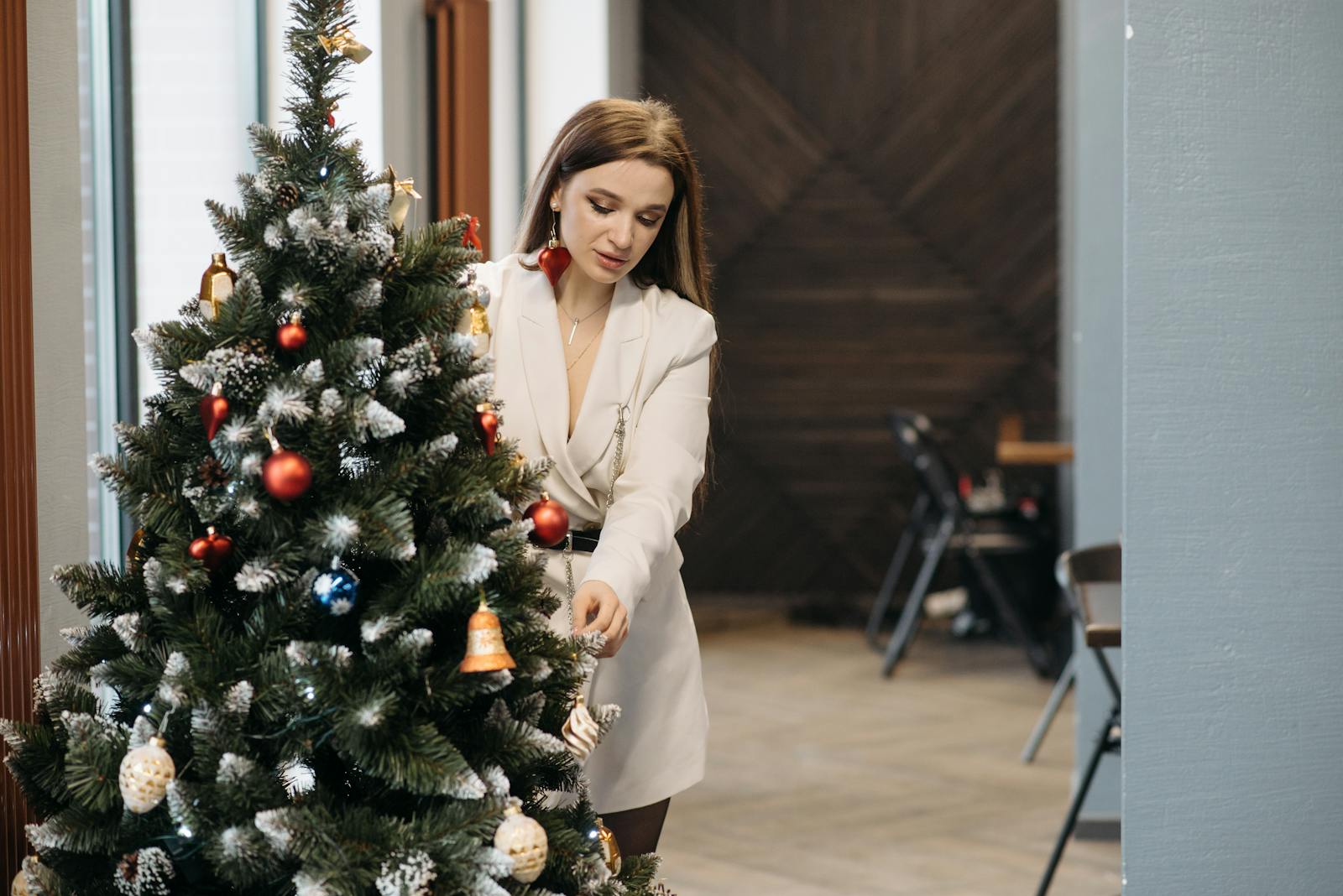
Real Christmas trees are a short-season luxury, but how long they actually stay lush and fragrant depends far more on species, storage, and daily care than on the calendar alone. With the right prep and maintenance, most households can keep a cut tree looking photo-ready from early December through New Year’s, instead of watching it dry out before the presents arrive.
Understanding how long different trees last, what makes them shed needles, and which care tricks actually work lets shoppers stretch every bit of life out of a real tree while still keeping the living room safe. The key is treating the tree like what it is: a giant cut flower that needs water, stable conditions, and a little strategy from the moment it leaves the lot.
How long a real Christmas tree really lasts
Most cut Christmas trees hold up well for about four to six weeks indoors, but that range shifts with species, freshness at purchase, and how warm and dry the home is. Growers and extension specialists generally point to firs, such as Fraser and Noble, as the longest lasting, with many staying attractive for close to a month and a half when they are cut recently and kept watered, while some pines and spruces tend to dry and shed sooner once they are inside. Guidance from tree industry groups notes that a properly cared-for tree can remain in good condition for the entire holiday season, especially when it is brought indoors closer to mid-December rather than right after Thanksgiving, which helps align its natural lifespan with typical decorating timelines. Tree care recommendations emphasize that the clock effectively starts when the trunk is first cut and exposed to air, not when the lights go on at home.
Freshness at purchase is the other major factor that determines how long a tree will last once it is in the stand. Extension experts advise checking that needles are flexible and firmly attached, that the tree has a healthy green color, and that only a small number of needles fall when a branch is gently shaken, all signs that the tree was cut recently and has not dried out in transit or on the lot. Industry guidance notes that many farm-grown trees are cut and shipped within a few weeks of sale, but trees that have been sitting in direct sun or wind can lose moisture quickly, shortening their indoor life even if they still look acceptable at first glance. By combining a freshness check with realistic expectations about species and timing, households can plan for a tree that comfortably lasts through New Year’s rather than hoping a tired tree will somehow revive once it is decorated. Extension advice on choosing and selection and care both stress that starting with a fresh tree is the single best predictor of how long it will stay attractive indoors.
Choosing the longest-lasting tree species
Some Christmas tree varieties are simply built to last longer in a heated living room, which is why growers and horticulture specialists consistently recommend certain firs for maximum needle retention. Fraser fir, Noble fir, and Nordmann fir are frequently cited as top choices because their needles cling tightly even as the tree slowly dries, and their dense, soft foliage tolerates indoor conditions better than many spruces. Extension bulletins that compare species note that Fraser fir in particular combines strong fragrance with excellent longevity, often outlasting more traditional options like Scotch pine when both are cut and cared for on the same schedule. Species comparisons and tree selection guides both highlight firs as the best bet for households that want a tree up for several weeks.
Spruces and some pines can still perform well, but they tend to have a shorter window before noticeable needle drop, especially in warm, dry rooms. Colorado blue spruce, for example, offers striking color and a classic shape, yet extension specialists warn that its sharp needles can shed more quickly indoors than those of Fraser or Balsam fir, particularly if the tree dries even briefly. Scotch pine is widely available and holds needles better than many spruces, but it may not match the longevity of the most durable firs when exposed to central heating for a month or more. Regional guides suggest that shoppers balance aesthetics with durability by asking local farms which species hold up best in nearby homes, since climate and transport distances can affect how each variety performs. Variety overviews and extension species notes both encourage buyers to prioritize firs when maximum indoor lifespan is the goal.
Prepping your tree on day one
The way a tree is handled in the first hour at home often determines whether it stays fresh for weeks or starts drying out within days. Specialists consistently recommend making a fresh, straight cut across the base of the trunk, removing about 0.5 to 1 inch of wood to open up the tree’s water-conducting tissue, especially if it has been more than a few hours since the tree was first cut. Once that slice is made, the trunk should go into water immediately, because exposed wood can begin to seal with sap within a few hours, which sharply reduces how much water the tree can absorb. Extension guidance explains that this simple recut can dramatically improve water uptake and that skipping it is one of the most common reasons a tree dries out prematurely. Tree preparation advice and industry care tips both frame the fresh cut as nonnegotiable for long-lasting trees.
Placement and stand choice on day one also shape how long the tree will last. Experts urge buyers to use a sturdy stand that holds at least 1 quart of water per inch of trunk diameter, which ensures the tree has enough supply to replace the moisture it loses into the room, especially during the first 24 hours when uptake is highest. Positioning the tree away from heat sources such as fireplaces, radiators, and forced-air vents, and out of direct sun from large windows, helps slow drying and reduces the risk of rapid needle drop. Guidance from extension services notes that even a few feet of distance from a heat register can make a noticeable difference in how long the tree stays supple and green. Placement recommendations and stand capacity guidelines both stress that water volume and location are as important as the initial cut.
Daily care that keeps a tree fresh longer
Once the tree is in place, consistent watering is the single most important habit for keeping it fresh through the holidays. Industry and extension sources agree that the water level should never drop below the base of the trunk, since even a brief period of exposed wood can allow sap to seal the cut surface and permanently reduce uptake. A typical 6-foot tree can absorb several quarts of water in the first day and at least 1 quart per day afterward, so checking the stand morning and evening is often necessary, especially in homes with warm, dry air. Care guides emphasize that plain tap water is sufficient and that commercial additives, sugar, aspirin, or household products do not reliably improve freshness, despite their popularity in holiday lore. Watering recommendations and extension care tips both underline that no additive can compensate for a stand that runs dry.
Managing the room environment and decorations also helps extend the tree’s life. Experts advise using cooler, energy-efficient LED lights that emit less heat than older incandescent strings, which reduces localized drying on branches and lowers fire risk. Turning lights off overnight and when no one is home further limits heat exposure and slows moisture loss. Some extension bulletins suggest that maintaining moderate indoor humidity, either by using a humidifier nearby or avoiding very high thermostat settings, can help needles stay flexible longer, although they caution that humidity should not be so high that it encourages mold or condensation on windows. Safety-focused guidance also recommends testing needles daily for brittleness and monitoring for excessive shedding, both signs that it may be time to remove the tree even if the calendar says the season is not quite over. Indoor environment advice and lighting and safety tips both connect these small daily choices to longer-lasting, safer trees.
When to take the tree down and what to do next
Even with meticulous care, every real Christmas tree reaches a point when it is no longer safe or attractive to keep indoors, and experts urge households to prioritize condition over tradition when deciding when to take it down. Fire safety guidance points to several clear warning signs: needles that snap easily when bent, branches that shed heavily with a light touch, and a trunk that no longer draws water from the stand. Once those signs appear, the tree should be removed promptly, regardless of whether it has been up for two weeks or six. Extension materials stress that a dry tree near electrical lights and heat sources poses a significantly higher fire risk than a fresh, well-hydrated one, and that no amount of misting or late-stage watering can reverse advanced drying. Safety-focused guidance and industry safety notes both recommend erring on the side of taking the tree down earlier rather than stretching its indoor stay.
What happens after the tree leaves the living room also affects its overall environmental footprint, which is why many municipalities and recycling programs encourage chipping, composting, or shoreline restoration uses instead of sending trees to landfills. Local sanitation departments often run curbside pickup or drop-off programs that turn trees into mulch for parks and gardens, while some coastal communities use bundled trees to help stabilize dunes and reduce erosion. Industry groups highlight these options as part of the sustainability case for real trees, noting that most are grown on farms where new seedlings replace harvested trees each year. Recycling guidance typically reminds residents to remove all lights, tinsel, and hooks before drop-off so the wood can be processed cleanly. Post-holiday recycling programs and extension disposal advice both frame responsible end-of-season handling as the final step in getting the most from a real Christmas tree.
More from Willow and Hearth:
Leave a Reply