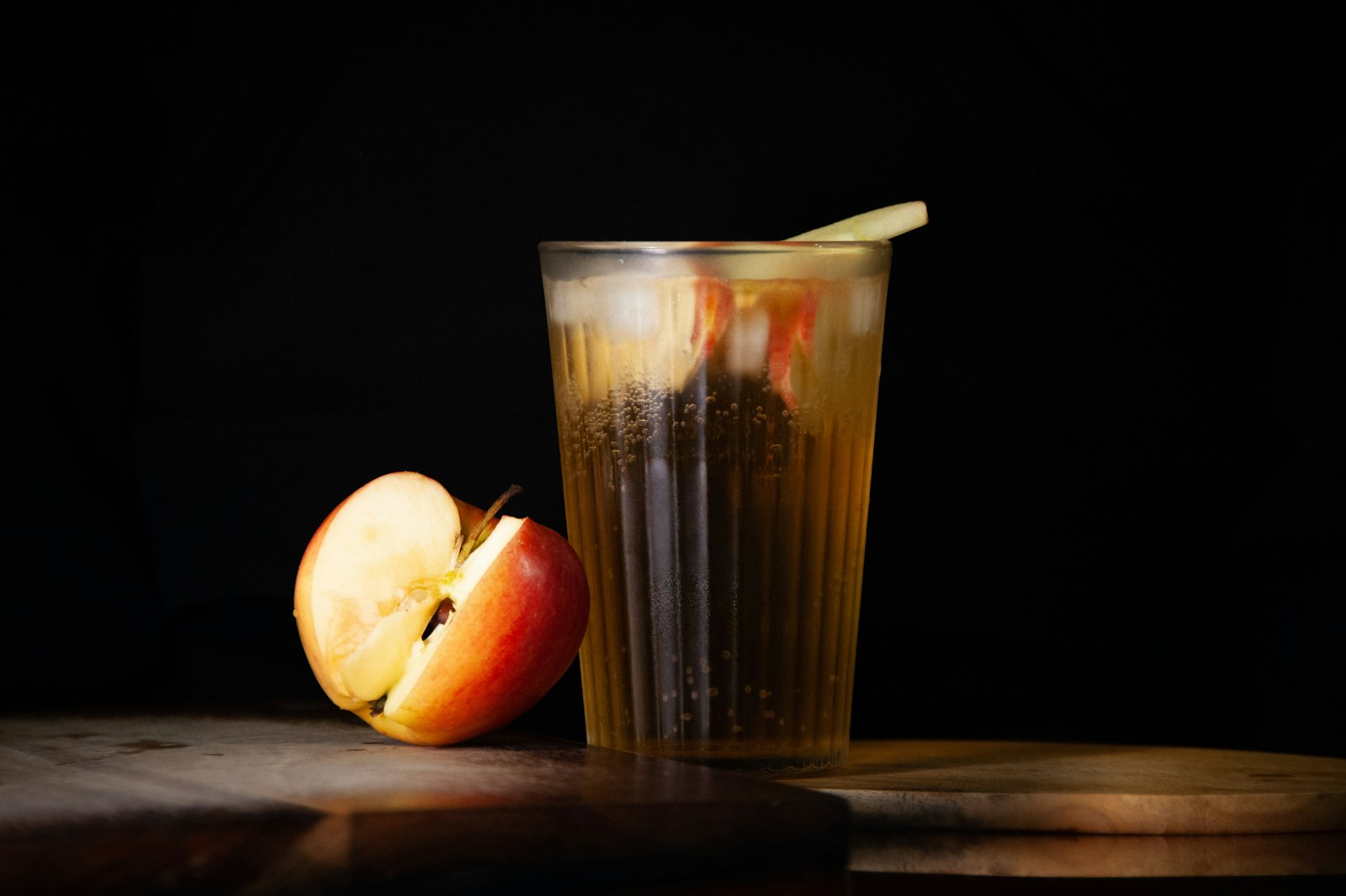
Homemade cider lives or dies on the apples that go into the press. The right mix of varieties can turn a simple jug into something layered, aromatic, and balanced, while a one-note blend often tastes flat no matter how carefully it is fermented. Choosing apples with complementary sweetness, acidity, and tannin is the most reliable way to build complex flavor before any yeast ever touches the juice.
For home cidermakers, that means thinking beyond whatever is piled highest at the supermarket and instead treating apples the way winemakers treat grapes: as raw material with distinct structure and purpose. Dessert apples, heirloom cultivars, and true cider varieties each bring different strengths, and understanding those roles makes it far easier to design a blend that suits still, sparkling, or even ice-style cider.
Why cider apples are different from dessert apples
Most apples sold for snacking are bred to be crisp, sweet, and visually perfect, not necessarily to ferment into a nuanced drink. Cider apples, by contrast, are selected for their balance of sugar, sharp acidity, and tannin, qualities that can taste aggressive when eaten out of hand but translate into structure and length in the glass. Traditional cider regions classify apples into broad groups such as bittersweet, bittersharp, sweet, and sharp, categories that reflect how much acid and tannin each variety contributes to a blend and help cidermakers predict how the finished drink will behave during fermentation and aging.
Bittersweet and bittersharp apples are especially prized because they supply the phenolic grip and aromatic depth that dessert apples usually lack. High-tannin juice can feel coarse when fresh, but those compounds bind with proteins during fermentation and maturation, softening into the rounded texture associated with classic farmhouse ciders. Sharper apples, which lean heavily on malic acid, keep the blend from feeling cloying and support fresher fruit notes even after months in the bottle, a role that becomes more important as residual sugar levels rise in semi-sweet styles.
Best bittersweet and bittersharp apples for structure
Bittersweet apples are the backbone of many traditional ciders because they combine moderate sugar with firm tannins and relatively low acidity. Varieties in this group are often small, russeted, and unremarkable as table fruit, yet they deliver the earthy, spicy, and sometimes floral notes that drinkers associate with heritage bottlings. When pressed, their juice tends to ferment into ciders with a rounded mid-palate and gentle bitterness that can stand up to oak aging or extended time on the lees without losing definition.
Bittersharp apples push both tannin and acidity higher, which makes them powerful tools for shaping structure in a blend. Their juice can be too intense on its own, but in modest proportions it tightens the finish and lifts aromatics, especially in drier ciders where residual sugar is not available to mask flabby edges. Many cidermakers treat these varieties almost like seasoning, folding in a smaller percentage to sharpen an otherwise soft base of bittersweet and dessert fruit, particularly in years when growing conditions produce lower natural acidity.
Sharp and sweet apples that keep flavors bright
Sharp apples, which deliver pronounced malic acid with limited tannin, are essential for keeping cider lively and refreshing. Their bright, sometimes citrus-like edge cuts through sweetness and helps lighter styles feel crisp rather than syrupy, a quality that becomes especially important in still ciders that lack carbonation to provide extra lift. In regions where summers run hot and sugar levels climb quickly, sharp varieties can also compensate for lower natural acidity in bittersweet fruit, preserving balance without resorting to added acid.
Sweet apples, including many familiar supermarket cultivars, contribute fermentable sugar and approachable fruit character but little in the way of structure. Used alone, they often produce ciders that taste simple and one-dimensional, yet they remain valuable as a base when paired with sharper or more tannic fruit. Their clean, recognizable flavors can make a blend more accessible to drinkers who are new to traditional cider, especially when the recipe includes a small share of high-tannin juice that might otherwise dominate the profile.
Reliable supermarket apples for beginner-friendly blends
For home cidermakers without access to orchards, common grocery varieties can still yield satisfying results when combined thoughtfully. Apples such as Gala, Fuji, and Honeycrisp are typically high in sugar and low in tannin, which means they ferment into clean but relatively soft ciders unless they are balanced with tarter fruit. Pairing these sweeter cultivars with sharper options like Granny Smith or other high-acid apples helps maintain freshness and prevents the finished drink from feeling heavy, particularly in batches that finish with some residual sweetness.
Blending multiple dessert varieties also introduces subtle complexity that a single cultivar cannot provide. A mix of aromatic apples, like those with floral or spicy notes, alongside more neutral fruit can create layers of flavor that survive fermentation and aging. Even when working entirely with supermarket produce, treating each apple as a component with specific strengths, rather than as interchangeable juice, allows home cidermakers to approximate the balance that traditional producers achieve with dedicated cider cultivars.
Designing blends for still, sparkling, and ice-style cider
The ideal apple mix depends heavily on the style of cider being made, since carbonation, sweetness, and alcohol level all influence how flavors and structure are perceived. Still ciders, which lack bubbles to provide extra lift, usually benefit from higher natural acidity and a measured amount of tannin to keep the palate engaged from first sip through the finish. Sparkling versions can lean slightly softer in acid because carbonation adds its own sense of brightness, allowing bittersweet apples to play a larger role without making the drink feel dull.
Ice-style ciders, which concentrate sugar and flavor by freezing and partially thawing the juice, demand fruit with both high initial sugar and enough acidity to stay balanced after concentration. Dessert apples with naturally elevated Brix levels are often favored for this purpose, but they need support from sharper varieties so the final product does not taste like simple syrup. In all three styles, the most consistent results come from planning the blend around structure first, then layering in aromatic apples that match the desired profile, whether that means leaning into fresh orchard notes, deeper spice, or subtle oxidative character from aging.
More from Willow and Hearth:
Leave a Reply