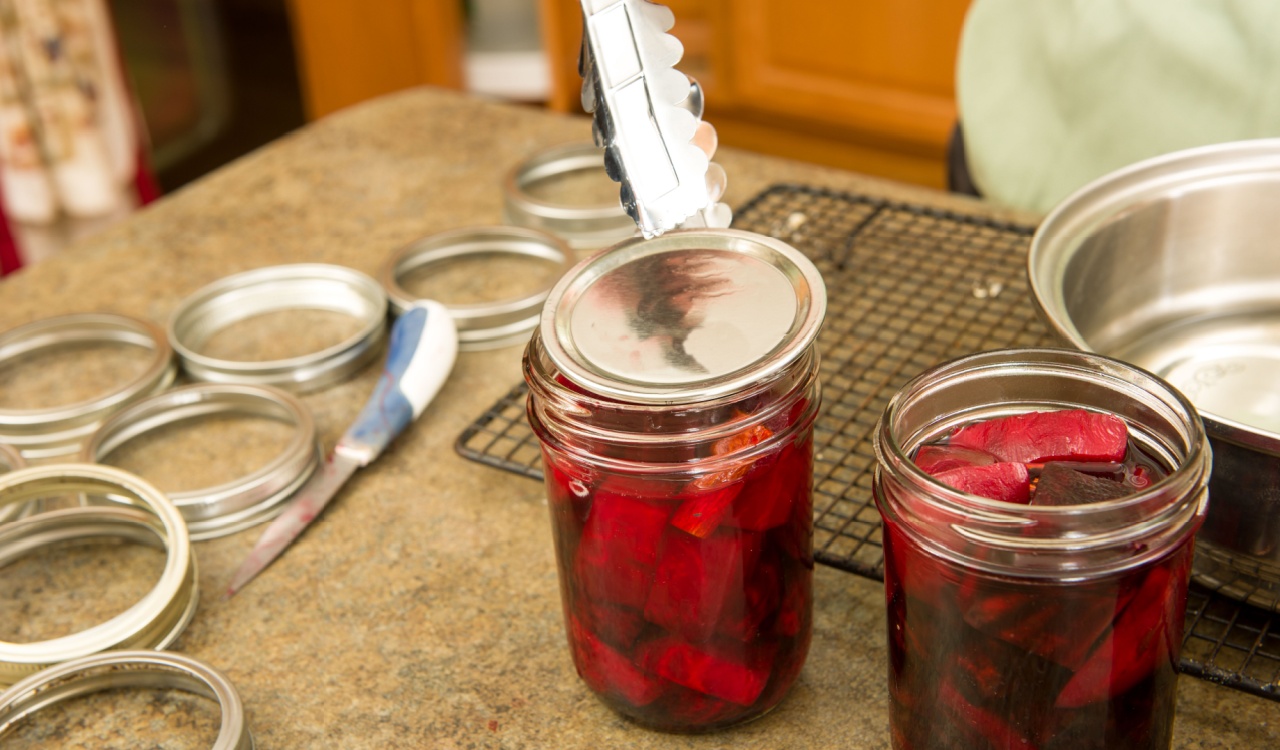
Mason jars look simple on the shelf, but their lids tell a more complicated story of food safety, engineering, and changing home habits. The familiar two-piece top, a flat disc and a screw band, is not a quaint design quirk so much as a deliberate solution to the risks of sealing food in glass under heat and pressure. Understanding why that system exists explains not only how canning works, but also why some modern shortcuts can be dangerous.
At the heart of the design is a balance between creating a strong vacuum seal and giving home cooks a clear signal when that seal fails. The split lid lets the jar vent air and steam, form a tight bond as it cools, and then reveal any problems long before a spoiled batch reaches the table. That is the “real reason” behind the two-piece construction, and it is rooted in decades of testing, regulation, and hard lessons about botulism and other foodborne threats.
How the Two-Piece Lid Actually Works
The flat metal disc and the threaded ring do different jobs, and the system only makes sense when those roles are separated. The disc carries the sealing compound, usually a ring of plastisol, that softens under heat and then grips the jar rim as the contents cool and contract. The band’s job is purely mechanical: it holds the disc in place during processing, then steps aside so the vacuum inside the jar can do the work. By letting the band loosen or come off entirely after cooling, the design ensures the seal is maintained by negative pressure, not by brute force tightening.
That separation is what allows the lid to flex during canning, venting air and steam without blowing off or warping the glass. As jars move through a boiling-water bath or a pressure canner, the headspace expands and forces air out from under the disc. When the jar cools, the pressure inside drops, the softened compound grips the rim, and the disc is pulled downward with a characteristic “ping.” The band can then be removed to test the seal, and the slightly concave disc becomes a built-in indicator that the vacuum is still intact, a feature that single-piece twist caps struggle to replicate safely for home processing.
Safety, Botulism, and Why the Design Stayed
The two-piece lid is not just about convenience; it is a direct response to the specific dangers of low-acid foods stored at room temperature. Clostridium botulinum spores can survive improper processing and produce a toxin in oxygen-poor environments, which is exactly what a sealed jar creates. The lid system is engineered so that if the seal fails, the disc will lift, the vacuum will break, and spoilage signs like bulging, leakage, or off-odors are more likely to appear before the food is eaten. That visible failure mode is a safety feature, not a flaw.
Because the disc is designed for one-time use, the sealing compound is not expected to perform reliably after it has already been compressed and heated. Reusing old discs or substituting non-canning closures undermines the tested balance of venting, sealing, and signaling. The screw band, by contrast, can be reused as long as it is not rusted or bent, which is why manufacturers and extension services consistently distinguish between the disposable sealing surface and the durable hardware. The persistence of the two-piece format in official guidance reflects that safety calculus more than nostalgia for traditional gear.
Why One-Piece Lids and Reusable Systems Are Different
Single-piece metal caps and reusable systems like glass lids or silicone rings appeal to home cooks who want less waste or a more streamlined look, but they are not interchangeable with the standard two-part design. Many one-piece caps are engineered for commercial hot-fill or vacuum packaging lines that control temperature, fill level, and torque with precision that home kitchens cannot match. Without that control, it is harder to guarantee that air has been fully vented and that the closure will hold a safe vacuum over time, especially for low-acid foods.
Reusable options, including glass lids with separate rubber rings, can be safe when used exactly as tested, but they depend on careful inspection of the gasket and strict adherence to processing times and methods. Unlike disposable discs, which arrive with a fresh sealing surface each season, reusable rings can stretch, crack, or pick up residue that interferes with the seal. That is why many extension publications still treat the two-piece metal lid as the default for home canning and frame alternatives as specialized tools that require extra attention rather than simple substitutes.
The Role of the Screw Band After Canning
Once jars have cooled and the vacuum has formed, the screw band’s role largely ends, even though many people leave it in place out of habit. Removing the band after 12 to 24 hours of cooling allows the disc to stand on its own, which makes it easier to spot a failed seal. If the lid lifts easily with gentle pressure or comes off when the jar is picked up by the edge of the disc, that is a clear sign the food should be refrigerated and used quickly rather than stored on a shelf. Leaving the band on can mask that failure by holding a loose lid in place.
There is also a practical reason to store jars without bands: it reduces rust and sticking, especially in humid environments or on jars that weep a small amount of liquid during processing. Bands that remain on for months can fuse to the glass or trap moisture and food residue, which encourages corrosion and mold. By treating the band as a temporary clamp instead of a permanent part of the closure, home canners preserve both their hardware and their ability to monitor the integrity of the seal over time.
Modern Convenience vs. Tested Tradition
As home canning has moved from necessity to hobby, the market has filled with decorative lids, novelty closures, and storage caps that blur the line between pantry-safe preservation and short-term refrigeration. Many of these products are explicitly labeled for dry goods or fridge use only, but their resemblance to canning lids can create confusion. The enduring two-piece system stands out in that landscape because it is one of the few designs that has been repeatedly tested under the specific conditions of home water-bath and pressure canning, with clear instructions and failure signals built in.
That does not mean the design is frozen in time. Manufacturers have adjusted materials, coatings, and recommended practices as research has evolved, including changes to how tightly bands should be applied and how long jars should rest before testing seals. Yet the core idea has held: separate the sealing surface from the mechanical clamp, allow venting under heat, and rely on a visible, vacuum-driven seal for long-term storage. For anyone filling jars with the expectation that they will sit on a shelf for months, that conservative, tested approach is the quiet reason the familiar two-piece lid remains the standard.
More from Willow and Hearth:
Leave a Reply