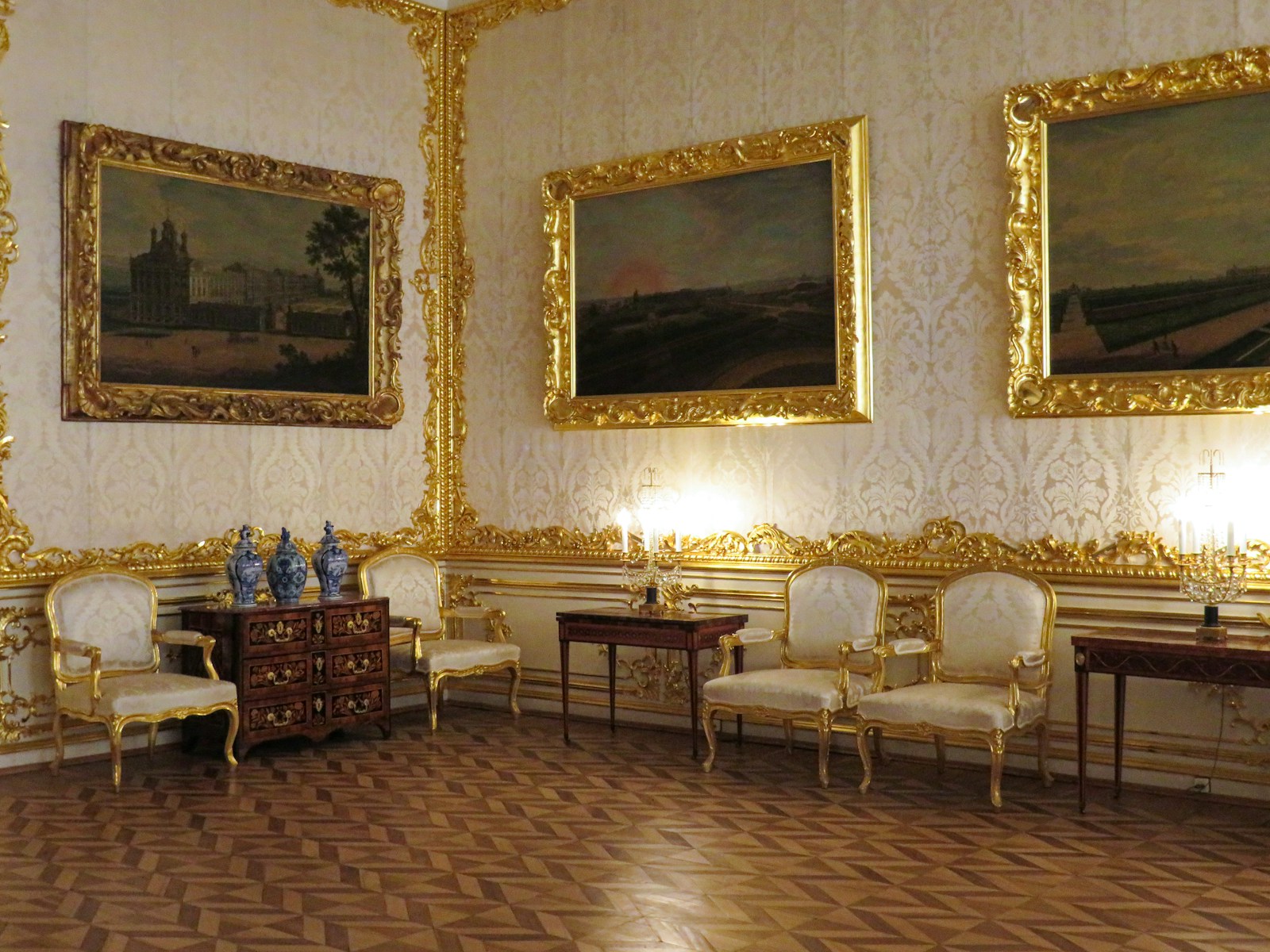
Retro design has shifted from a niche obsession to a mainstream aesthetic language, shaping everything from living rooms and logos to phone interfaces and car dashboards. Rather than simple nostalgia, it has become a deliberate strategy for signaling comfort, trust and personality in a culture saturated with sleek minimalism and fast-moving tech.
Designers, brands and homeowners are pulling from past decades with new precision, treating vintage references as a toolkit instead of a costume. The result is a moment where “retro” is less about copying old looks and more about remixing them to feel emotionally familiar yet visually fresh.
Defining retro design beyond simple nostalgia
Retro design is best understood as contemporary work that consciously borrows from the visual language of earlier eras while still being made for today’s needs. It is not the same as historic preservation or pure vintage collecting, because the goal is not to freeze time but to reframe older motifs, colors and forms in a modern context. Designers talk about retro as a kind of visual quotation, where a 1970s color palette or a midcentury silhouette is referenced, then adapted to current materials, ergonomics and digital interfaces.
That distinction shows up clearly in interiors and products that pair period cues with present-day performance. A sofa might echo the low, loungey profile of 1960s Italian design while using contemporary foam and stain-resistant fabrics, or a kitchen might feature checkerboard floors and rounded appliances alongside induction cooktops and smart lighting. In branding and UI, retro often means typefaces, icon shapes and color schemes that recall analog media, even as they live inside apps and websites. This blend of old and new is what separates retro design from simple reproduction of the past, and it is why the style can feel both familiar and surprisingly current.
How retro differs from vintage, antique and “old-fashioned”
Part of the current fascination with retro comes from a broader boom in secondhand and heritage aesthetics, which can blur important definitions. “Vintage” typically refers to original objects from a specific period, such as a 1983 stereo or a 1950s dress, while “antique” is usually reserved for items that are at least several decades older and valued for rarity and craftsmanship. Retro design, by contrast, is new work that intentionally looks like it could have come from a past decade, whether that means a brand-new turntable styled like a 1970s hi-fi or a recently built bungalow with 1920s-inspired tile and trim.
That difference matters because it shapes how people live with and invest in these aesthetics. A vintage Eames chair or an antique cabinet is constrained by the materials, dimensions and wear of its time, while a retro-inspired piece can be scaled, engineered and priced for contemporary use. In fashion and interiors, this has opened the door for mass-market retailers to offer “retro” lines that capture the mood of earlier decades without the fragility or scarcity of true vintage. It also allows digital products to adopt retro cues that never existed in physical form, such as pixel-art icons or skeuomorphic buttons that evoke cassette decks and rotary phones without being tied to any one original object.
Why retro is everywhere in interiors and home goods
Inside the home, retro design has become a shorthand for warmth and individuality after years of gray-on-gray minimalism. Designers report clients asking for curved sofas, patterned tile and saturated wall colors that recall midcentury and 1970s spaces, often paired with contemporary lighting and open-plan layouts. The appeal lies in how these references soften hard edges and make rooms feel lived-in from day one, rather than like pristine showrooms. Rounded corners, wood tones and playful color blocking all signal comfort and informality, which many homeowners now prioritize over strict visual austerity.
Manufacturers have responded with product lines that lean heavily on retro cues, from pastel refrigerators and bulbous countertop appliances to mushroom lamps and cane-front cabinets. These pieces are engineered with current energy standards and smart features, yet their silhouettes and finishes are calibrated to trigger memories of older kitchens and living rooms. Even mass-market decor, such as patterned rugs and wavy mirrors, borrows from 1960s and 1980s visual vocabularies. The result is a layered look where a single retro statement piece can anchor an otherwise contemporary room, or an entire space can be curated to feel like a time capsule that still supports streaming, remote work and modern storage needs.
Retro’s resurgence in branding, tech and product design
Beyond interiors, retro design has become a powerful branding and product strategy for companies that want to stand out in crowded digital markets. Many consumer brands have revived older logos, color schemes and packaging details to signal longevity and reliability, especially in categories like food, beverages and personal care. A label that echoes its own 1970s or 1980s artwork can instantly communicate heritage and stability, which is particularly valuable when shoppers are overwhelmed by new direct-to-consumer names and algorithm-driven recommendations.
In technology and consumer electronics, retro cues help humanize devices that might otherwise feel cold or interchangeable. Smartphone apps use skeuomorphic icons that resemble film cameras, cassette tapes or vinyl records to make their functions instantly legible, even to users who never owned the original hardware. Hardware makers release “classic” editions of game consoles and controllers that mimic the look of earlier models while running modern software and connectivity. Audio brands sell Bluetooth speakers that resemble vintage radios, complete with fabric grilles and analog-style knobs, to tap into the emotional pull of older listening rituals while delivering wireless convenience. These choices are not accidents; they are calculated uses of retro language to build trust, reduce learning curves and differentiate products in a sea of glass rectangles and black boxes.
The emotional logic behind the retro boom
Experts often frame the current retro wave as a response to cultural and technological anxiety. In periods of rapid change, people gravitate toward aesthetics that feel stable and familiar, even if they never personally lived through the eras being referenced. Retro design offers a way to borrow the perceived simplicity and optimism of earlier decades without rejecting modern life. A living room styled with 1970s colors or a coffee app that looks like a diner menu can make daily routines feel more grounded, especially when news cycles and social feeds feel relentless.
Psychologists and design historians also point to the role of “borrowed nostalgia,” where younger generations romanticize past periods through media, music and fashion rather than direct experience. Streaming platforms, social networks and resale apps have made it easy to discover and remix visual cultures from multiple decades at once, from 1990s rave flyers to 1960s album covers. Retro design thrives in that environment because it is inherently referential and remixable. A single product can nod to several eras at once, combining, for example, 1980s neon gradients with 1970s typography and 1950s diner stripes. That layered nostalgia lets people construct personal identities and home environments that feel curated rather than generic, even when the underlying products are mass-produced.
How designers keep retro from feeling like costume
For professionals, the challenge is to harness retro appeal without tipping into pastiche. Many designers start by identifying the specific functional or emotional problem they are solving, then selectively pull from historical references that support that goal. If the aim is to make a financial app feel less intimidating, they might use rounded typefaces and warm, slightly faded colors that recall printed bank ledgers or midcentury signage, while keeping the layout, accessibility and security features fully contemporary. The retro elements become accents rather than the entire story, which helps the work feel grounded instead of gimmicky.
Material choices and context also determine whether retro reads as thoughtful or theatrical. In interiors, pairing a vintage-style sofa with contemporary art and clean-lined storage can keep a room from feeling like a movie set, while in product design, integrating retro knobs or textures into otherwise minimal forms can create a subtle bridge between eras. Many studios prototype multiple levels of retro intensity, from a light touch of period color to full-on reproduction of historical details, then test those options with users or clients to see what feels authentic. The most successful projects tend to be the ones that respect the spirit of the reference era, such as its optimism, playfulness or craftsmanship, rather than copying every surface detail.
Where retro design is heading next
As retro aesthetics continue to spread, the references themselves are shifting forward in time. What once meant midcentury modern now increasingly includes 1990s and early-2000s visual culture, from chunky translucent plastics and pixelated fonts to skeuomorphic desktop icons and early web gradients. Designers are mining the first digital era for inspiration, treating old operating systems, game consoles and mobile phones as rich archives of color, motion and interface ideas. That evolution suggests retro design will remain a moving target, always defined by the distance between the present and whichever past feels newly charming or reassuring.
At the same time, sustainability concerns are pushing retro beyond surface style into questions of longevity and repair. Products and interiors that look like they could have existed decades ago implicitly promise to age gracefully, which aligns with growing interest in durable materials, modular furniture and repairable electronics. When a new lamp or chair feels like it might still look good twenty years from now, buyers are more willing to invest and less likely to treat it as disposable. In that sense, the current retro moment is not only about aesthetics. It is also about reimagining a slower, more enduring relationship with objects, using the visual language of the past to argue for a more thoughtful future.
More from Willow and Hearth:
Leave a Reply