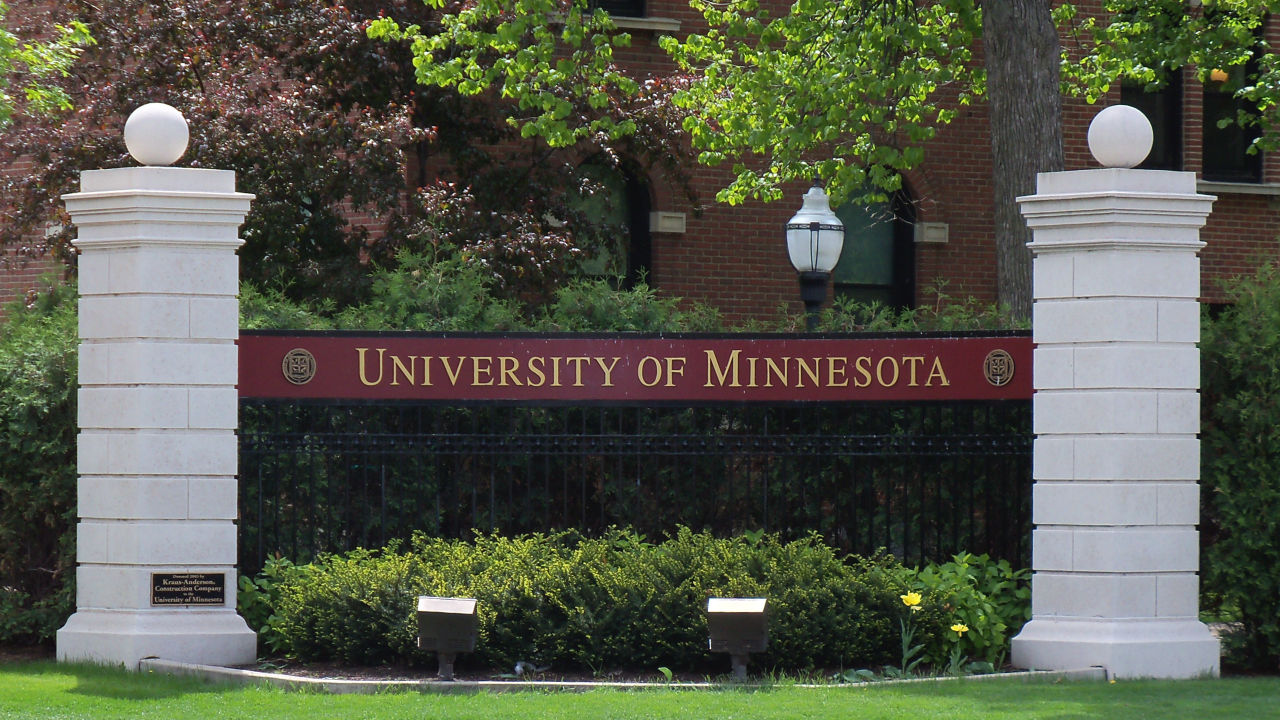
The University of Minnesota has launched a program that describes what it calls a “whiteness pandemic.” This initiative highlights how systemic racism is facilitated by unexamined attitudes linked to White identity and urges White parents to actively re-educate their children to counter these influences. The program aims to help families recognize and address ingrained biases through reflective and antiracist parenting techniques.
The Culture and Family Lab at the University of Minnesota offers resources, including guides and videos, to support parents in navigating complex topics like white privilege and racism with their kids. By framing “whiteness” as a widespread social problem, the lab encourages White adults to take responsibility for fostering change in both family dynamics and society.
This approach has sparked discussion and controversy, but it reflects a growing movement to confront racial inequities at their roots. Those interested in the strategies and motivations behind this program will find insight into how education and self-awareness are being positioned as tools against systemic racism.
What Is the Whiteness Pandemic?
The Whiteness Pandemic refers to a cultural pattern woven into U.S. society that supports and sustains systemic racism. It highlights behaviors like colorblindness and white fragility, which quietly uphold racial inequalities. This concept urges a deeper look at how White families and communities unconsciously pass on these norms across generations.
Origins of the Term in Academia
The term “Whiteness Pandemic” emerged in academic research to describe the persistent cultural conditions that maintain racial disparities. Researchers at the University of Minnesota’s Culture and Family Lab coined and explored this idea, especially in studies following the murder of George Floyd in Minneapolis.
They identified how these cultural patterns are deeply embedded and not easily visible, calling it a “pandemic” to emphasize its widespread and harmful impact. The term gained attention for linking individual behaviors within White families to larger systems of oppression. The academic framing helps shift focus from individual acts of racism to collective, ongoing cultural processes.
Distinguishing Whiteness as Culture, Not Biology
Whiteness in this context isn’t about genetics or skin color. Instead, it’s understood as a culture — a set of attitudes, behaviors, and social norms that shape how individuals in White communities see the world and interact with others.
This culture often includes colorblindness, where people pretend race doesn’t matter, and white fragility, which is discomfort or defensiveness when confronted with discussions about race. These features work to maintain racial inequality by avoiding honest conversations about racism. Recognizing Whiteness as culture clarifies that it can be challenged and changed through self-reflection and education.
Connection to Systemic Racism
The Whiteness Pandemic is tightly linked to systemic racism, serving as a cultural foundation that keeps racist structures intact. It influences parenting, education, and everyday interactions, reinforcing power imbalances without overt hostility.
White families often socialize children into this culture by not discussing race or by downplaying racial injustice. This silence perpetuates the cycle, making systemic racism harder to dismantle. The University of Minnesota’s program stresses that confronting the Whiteness Pandemic requires active effort to develop positive White racial identity and engage in antiracist parenting practices.
Inside the University of Minnesota Initiative
The University of Minnesota’s program centers on addressing what it calls a “whiteness pandemic,” highlighting systemic cultural patterns and urging White adults, especially parents, to engage in ongoing antiracist work. It draws on academic research, funding support, and established frameworks from prominent scholars to develop its materials and guidance.
Role of the Culture and Family Lab
The Culture and Family Lab, part of the university’s Institute of Child Development, spearheads this initiative. It focuses on how race and culture shape early childhood development. The lab argues that white socialization in the U.S. includes patterns like colorblindness and passivity, which it describes as contributing to systemic racism.
This lab promotes the idea that White parents should actively educate their children about race and racism to help build a positive white racial identity. It encourages self-reflection and antiracist caregiving as part of an ongoing commitment, framing these actions as crucial to dismantling structural inequalities.
Key Researchers and Academic Influences
Dr. Gail Ferguson, the lab’s director, coined the term “whiteness pandemic” and was inspired by events like the 2020 murder of George Floyd. Her work forms the foundation of this approach. The initiative also incorporates ideas from activist-academic figures such as Ibram X. Kendi and Robin DiAngelo, known for their research on antiracism and whiteness.
The program stresses academic freedom in pursuing these topics, while drawing criticism that it crosses ethical or institutional neutrality boundaries. The focus remains on developing tools and literature that encourage White adults to rethink racial identity and participate in antiracist parenting.
Program Funding and Partnerships
The initiative has received financial support from federal sources, most notably a grant from the National Institute of Mental Health (NIMH). This funding underscores the program’s research-based approach to understanding whiteness as a cultural and psychological phenomenon.
The program collaborates across academic and activist spheres, reflecting a blend of scientific study and social advocacy. It maintains a webpage offering resources aimed at helping White families “halt and reverse” entrenched racial biases. These partnerships aim to link rigorous research with practical community engagement.
How White Parents Are Urged to Re-Educate Their Kids
White parents are encouraged to take active steps in reshaping how they raise their children by acknowledging the influence of family socialization on racial identity. This means intentionally addressing the culture of Whiteness within the family system and fostering a more conscious approach to antiracist parenting and self-reflection.
Antiracist Parenting Explained
Antiracist parenting involves openly discussing race, racism, and privilege with children instead of avoiding these topics. Parents are urged to recognize that silence can unintentionally reinforce racism by signaling approval or indifference.
The approach focuses on teaching children to notice racial biases and question unfair systems in daily life. White parents are advised to use real-world examples, such as recent events or media stories, to help children connect abstract ideas of justice and fairness to concrete experiences. This method helps kids develop empathy and understand the impact of systemic racism.
Parents should view antiracist parenting as an ongoing process that combines courage and reflection, actively shaping a household environment where children learn to challenge racism at all levels.
Developing a Healthy White Racial Identity
A key part of re-educating children is helping parents build a healthy, positive White racial identity themselves. White adults who understand their racial identity openly acknowledge its historical and social context without defensiveness.
Healthy White racial identity development encourages parents to move beyond colorblindness and fragility toward embracing multiculturalism and antiracist values. Research shows that most White mothers initially avoid talking about racism, but those who advance in their racial identity are more willing to engage children in discussions about systemic injustice.
This development supports parents in raising kids who reject passive complicity in racism and instead actively seek equity and justice within their communities.
Encouraging Self-Reflection and Action
Re-education starts with White adults reflecting critically on their own upbringing and biases shaped by family socialization. This self-reflection is crucial for dismantling unconscious attitudes linked to the culture of Whiteness.
Parents are encouraged to use educational tools like workbooks, podcasts, and racial justice organizations to deepen their understanding. Consistent self-awareness helps them model antiracist behavior and foster resilient White identities that combat racial passivity.
The process also involves ongoing action—showing up for justice movements, actively listening to voices of color, and weaving these lessons into everyday parenting. Self-reflection paired with courageous parenting creates a framework to break generational cycles of racial avoidance.
Public Response and Ongoing Debate
The University of Minnesota’s “whiteness pandemic” initiative has sparked intense reactions from various groups, fueling debates about race, education, and academic freedom. The discussion involves criticisms from conservative organizations, arguments about the limits of freedom in academia, and diverse media and community responses.
Criticism from Defending Education and Others
Defending Education, a group critical of what they call far-left programming, has been vocal against the university’s program. They argue that labeling “whiteness” as a pandemic unfairly targets White Americans and promotes division rather than healing. Defending Education sees this as part of a broader political agenda pushing concepts like white privilege and systemic racism into the education system.
Critics often link the program to controversial topics like Black Lives Matter protests, defunding the police, and settler colonialism, viewing them as part of an ideological push to reshape understanding of race and power. Fox News and other conservative media outlets have amplified these critiques, framing the program as an attack on parents and traditional values.
Debate Around Academic Freedom and Higher Ed
Within higher education circles, the program has stirred debate about academic freedom and curriculum boundaries. Supporters argue that researching and discussing systemic issues like racism and colorblindness is essential in a racialized society. They point to the need for ethnic studies and antiracist pedagogy to address power and privilege honestly.
Opponents claim the initiative crosses lines by urging White parents to re-educate children, questioning whether universities should influence parenting or social beliefs. The situation highlights tensions between academic inquiry and public perceptions of overreach. Minneapolis, as the program’s home city, sees this debate linked closely to its history, especially after the George Floyd protests intensified discussions about racism and policing.
Media Coverage and Community Reaction
Media portrayal of the “whiteness pandemic” has been mixed, varying from critical framing in conservative outlets to more nuanced coverage in local Minnesota news. Some community members express support, seeing the program as a necessary step to confront White supremacy and systemic racism.
Others worry that the language used, such as calling whiteness a “pandemic,” risks inflaming racial tensions. Parents and educators grapple with how to balance honest conversations about race with concerns about being labeled or judged unfairly. This divide reflects broader national conversations about how to address racism in schools and communities today.
Leave a Reply