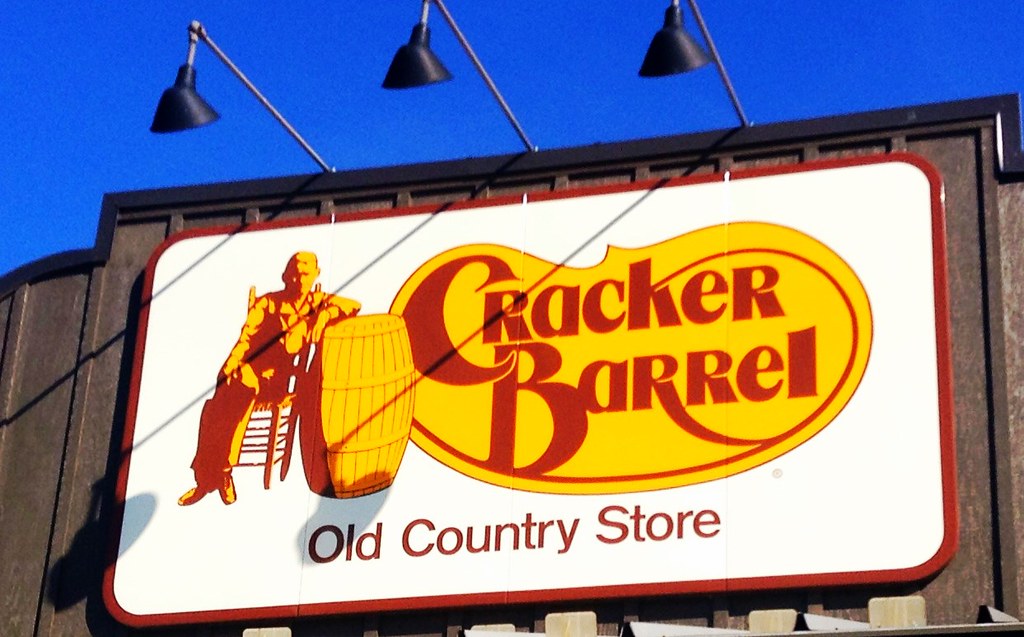
Cracker Barrel’s CEO, Julie Masino, recently shared how the backlash from the chain’s redesign made her feel like she was “fired by America.” The restaurant’s attempt to modernize its iconic look, including a new logo that removed familiar imagery, sparked a fierce reaction from longtime fans who felt the brand was abandoning its roots.
Masino admitted the changes missed the mark and expressed genuine regret over disappointing customers, emphasizing that the goal was to improve the experience and attract new guests, not upset the loyal base. This moment highlights how deeply people connect to brand identity, especially when it’s tied to tradition.
Despite the fallout, Masino remained in her role but acknowledged the emotional toll the backlash had on her personally. The company quickly responded by restoring much of the original design after the public pushback, underscoring how strong customer loyalty can shape business decisions.
Cracker Barrel’s Redesign Controversy
Cracker Barrel’s attempt to update its iconic look stirred strong reactions from customers and fans. The company sought to modernize its image while keeping its roots, but the changes touched on deep connections many had with the brand’s traditional style.
Origins of the Redesign
In May 2024, Cracker Barrel announced plans to refresh its Southern-style restaurant and retail experience. The goal was to “evolve” the brand, making it feel more current while still honoring its Old Country Store heritage. The company tested the new design in four locations out of its 660 restaurants to gauge feedback.
The redesign was part of a broader strategic transformation intended to attract new customers and update the chain’s image. However, it quickly became clear that longtime patrons, loyal to the rustic Americana charm, were not on board. Leadership, including CEO Julie Masino, wanted to strike a balance but may have underestimated the emotional attachment fans had to the brand’s original look.
Details of the Logo Change
A key element of the redesign was the adjustment to Cracker Barrel’s logo. The traditional logo featuring “Uncle Herschel” and the iconic barrel was replaced briefly by a sleeker, entirely text-based version. This minimalist approach aimed to simplify the brand’s visual identity.
However, removing these longtime symbols triggered backlash. The symbols represented the chain’s story and Americana values, and fans felt their removal erased a part of the brand’s soul. Even former President Donald Trump criticized the logo change publicly. The company later reintroduced the original imagery to respect customer sentiment.
Initial Customer Reactions
Reactions ranged from harsh criticism to cautious optimism but leaned heavily negative. On social media, many fans described the new design as bland and said it strayed too far from Cracker Barrel’s classic Americana vibe. The remodeled stores were seen by some as losing the warmth and nostalgia the brand is known for.
Some smaller groups appreciated the modern look, but these voices were overshadowed by the uproar. The backlash included a public apology from CEO Masino and a company decision to halt all further remodeling efforts. Cracker Barrel later assured customers that the Old Country Store style they loved would remain intact across locations.
Julie Masino’s Response and Public Backlash
Julie Masino shared candid reflections on the fallout from Cracker Barrel’s controversial redesign, touching on her personal feelings and the wider public reaction. The backlash included viral social media moments, responses from well-known figures, and effects on the company’s leadership team.
Julie Masino’s Statements with Glenn Beck
On The Glenn Beck Podcast, Masino opened up about the criticism she faced, saying it felt like she was “fired by America.” When Beck asked if she was surprised to keep her job, she laughed, remarking that feeling “fired by America” was probably worse. Masino explained that the redesign aimed to improve the customer experience, making the stores brighter and menus easier to read. She confessed they missed the mark and expressed genuine remorse for disappointing the chain’s loyal customers. Her intent was never to alienate them but to invite new guests while preserving what makes Cracker Barrel special.
Social Media Outrage and Viral Moments
The redesign sparked a wave of social media outrage, with many customers criticizing the loss of iconic elements like the “Uncle Herschel” logo. Hashtags and viral posts quickly spread, turning the backlash into a cultural moment. Users shared memes and videos mocking the modernized look, which clashed with Cracker Barrel’s traditional Southern charm. The online uproar was intense enough to force the company to restore its original branding by September. This digital storm amplified the pressure on the chain and Masino personally, making the backlash a persistent topic across social platforms.
Reactions from Public Figures
Public figures also jumped into the controversy. Former President Donald Trump openly criticized the redesign, representing some of the public’s strong emotional ties to Cracker Barrel’s classic image. Glenn Beck, who interviewed Masino, was direct in his remarks but maintained a conversational tone. He acknowledged Masino’s leadership efforts while noting the scale of the backlash. Other media outlets and commentators used the episode to highlight cultural debates around tradition versus modernization, sometimes framing the redesign as part of larger culture-war tensions.
Impact on Doug Hisel and Leadership Team
Doug Hisel, Cracker Barrel’s Senior Vice President of Store Operations, worked closely with Masino during the redesign process. He stood alongside her in public statements, emphasizing the team’s shared goal of enhancing customer comfort and experience. Despite the backlash, both leaders continued their roles, navigating the fallout together. Behind the scenes, the leadership team had to balance restoring customer trust with pushing forward company improvements. The incident exposed challenges in managing brand identity in a changing market, leaving lasting lessons for Hisel and others in top positions.
Shareholder Actions and Corporate Fallout
Cracker Barrel’s leadership faced strong reactions from shareholders after the redesign controversy. The company’s stock took a serious hit, and key investors voiced their concerns clearly. Amid the turmoil, the board remained largely intact, but the financial consequences were unmistakable.
Shareholder Votes and Decisions
During the annual meeting following the backlash, shareholders re-elected nine out of ten board members, including CEO Julie Masino. This vote showed confidence in the existing leadership despite widespread public criticism. However, independent directors and some activist investors pushed back against the brand’s new direction.
Biglari Holdings, an influential shareholder, was vocal in opposing the DEI-influenced rebrand. They criticized the departure from Cracker Barrel’s classic Americana image, calling for a return to its traditional roots. Still, Masino retained her role, signaling shareholder trust in her ability to recover from the fallout, even if many fans and customers remained unhappy.
Stock Price and Financial Impact
Cracker Barrel’s stock suffered significantly after the rebrand announcement. At one point, the company lost approximately $94 million in value in a single day. The redesign and associated cultural shift wiped out about $1.2 billion in shareholder value within days.
This dramatic drop highlighted investors’ skepticism about the new strategy. Analysts linked the plunge directly to consumers and shareholders rejecting the new logo and store concept. The financial damage pressured the company to swiftly reverse course, bringing back the old logo to stabilize its market position.
Role of Activist Investors
Activist investors played a key role in shaping Cracker Barrel’s response to the backlash. Biglari Holdings led the charge against the rebrand, advocating for a return to the brand’s original appeal. They argued that the company had strayed too far from its core identity.
Their influence was felt in the boardroom and in public discourse. While they did not succeed in replacing most board members, their pressure prompted deeper discussions about the company’s strategic direction. Activists continue to monitor Cracker Barrel closely as it works to rebuild trust with its customers and shareholders.
Lessons Learned and Next Steps for Cracker Barrel
Cracker Barrel had to rethink its approach after the redesign stirred strong negative reactions. Restoring customer trust and aligning the brand with its roots became priorities. They focused on undoing changes, improving communication, and clarifying their future path.
Reversing the Redesign
After the backlash, Cracker Barrel quickly decided to roll back much of the new look. Customers had complained that the remodel removed the familiar, cozy atmosphere that made the restaurants comfortable and welcoming. The chain restored dark wood tones, vintage decor, and original signage to bring back the classic vibe.
This move showed how important it is to respect what longtime guests expect. Cracker Barrel acknowledged the mistake of over-modernizing. They aimed to balance needed updates—like better lighting and clearer menus—with preserving the brand’s nostalgic feel.
Communications with Customers
Cracker Barrel’s leadership realized they needed to communicate better and listen more carefully. CEO Julie Masino openly expressed regret for disappointing fans and apologized repeatedly. The company engaged more with customers via surveys and social media to understand their preferences.
Clear, transparent messaging helped ease tensions. They emphasized that any changes would focus on enhancing guest experience without losing the brand’s heritage. This dialogue was crucial to rebuild goodwill after the initial rollout created confusion and frustration.
Future Brand Direction
Looking ahead, Cracker Barrel plans to focus on what it calls “America’s story.” The brand will highlight its humble Southern roots and emphasize the authentic comfort that customers expect. This means avoiding drastic rebranding moves that could alienate the core audience.
Compared with brands like Taco Bell, which have leaned into bold redesigns and trend-driven themes, Cracker Barrel sees its strength in tradition. The goal is to invite new guests in while staying true to its identity, maintaining a warm, familiar atmosphere with modern convenience where needed.
Leave a Reply