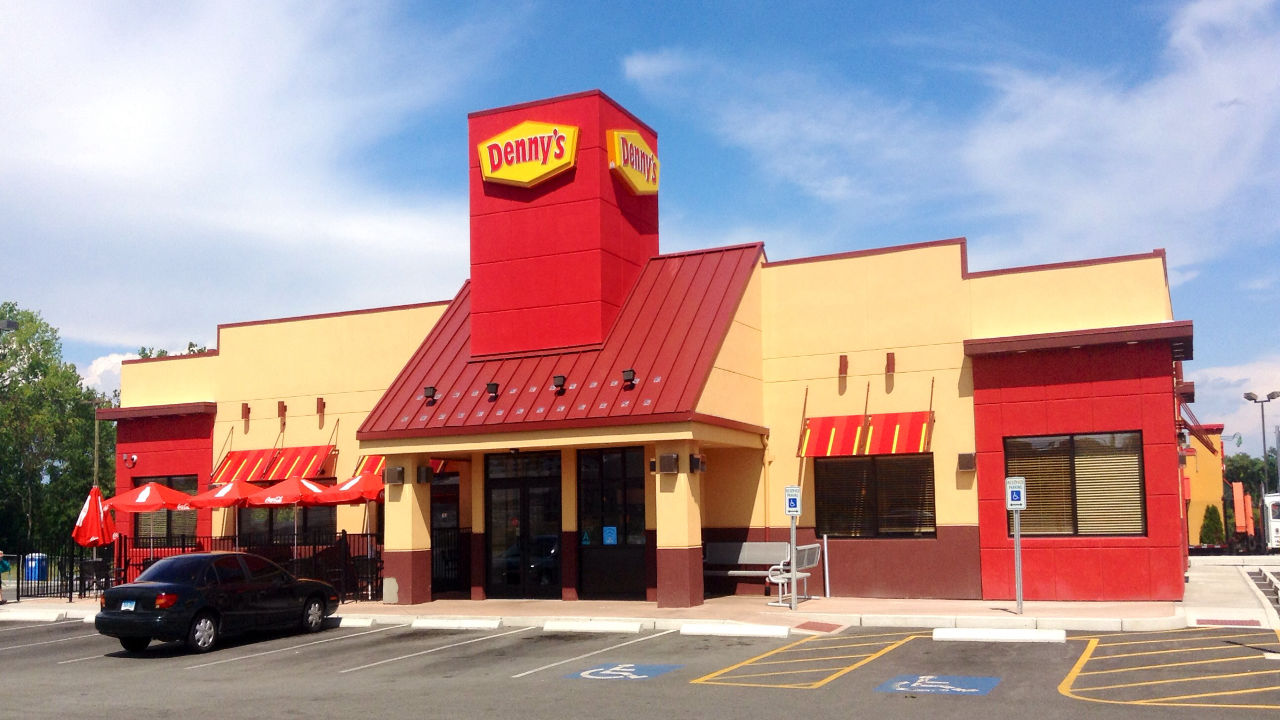
Denny’s is closing more locations just weeks after completing a $620 million buyout that took the company private. The chain is shuttering 150 underperforming restaurants nationwide as part of a broader strategy to restructure and adapt to changing dining habits. This move follows years of struggles amplified by the pandemic and increased competition in the casual dining space.
The buyout, led by private equity firms including TriArtisan Capital Advisors and major franchisees, aims to give Denny’s more flexibility away from the pressures of the public market. Despite the closures, many locations remain open, and the new ownership is focused on long-term growth and revitalization within an evolving industry.
Denny’s Major Closures After the $620 Million Buyout
Denny’s began closing a significant number of its lowest-performing locations shortly after a $620 million buyout finalized in late 2025. The closures are spread out over late 2024 and 2025, impacting diners in several states. The decisions affect both longstanding sites and some high-profile spots, signaling a major shift for the brand.
Timeline of Shuttered Locations
Denny’s announced plans to shut down 150 restaurants nationwide by the end of 2025. Around half of these closures took place in late 2024, with the rest scheduled for 2025. The company did not release a detailed list of affected locations but confirmed the closures represent about 10% of its total U.S. outlets. This timeline lines up closely with Denny’s move to go private under new ownership, aiming for a leaner operation focused on profitability rather than expansion.
Notable Restaurant Closures Including Coddingtown Mall
Among the shuttered sites, the Denny’s at Coddingtown Mall drew particular attention. This location had been a popular spot for locals and was known for serving classics like the Grand Slam breakfast. It’s one of the many familiar names taken off the map as Denny’s trims down. The company also focused on shutting older locations deemed too costly to remodel, which includes several long-standing diners in major states like California and Texas.
Reasons Behind the Restaurant Shutdowns
Denny’s cited several reasons for the closures. Most notably, many sites were underperforming financially and were too old to justify expensive upgrades. The pandemic’s lingering impact on dining habits, especially reduced late-night crowds, also played a role. Denny’s is reconsidering its 24/7 service model and aims to streamline its menu from 97 items to 46, reflecting a shift in strategy to improve efficiency and reduce costs. The goal is to emerge from these cuts more competitive under private ownership.
The $620 Million Buyout: Who’s Behind the Deal?
The $620 million buyout has shifted Denny’s from a publicly traded company to a private entity. This move involves key investors, a change in how the company operates, and significant implications for shareholders and franchisees.
Key Players: TriArtisan Capital Advisors, Treville Capital, and Yadav Enterprises
The buyout is led by TriArtisan Capital Advisors, a private equity firm that also owns TGI Fridays. They bring experience in managing and growing restaurant brands. Alongside TriArtisan are Treville Capital, an investment firm focused on strategic growth opportunities, and Yadav Enterprises, one of Denny’s largest franchisees.
Yadav Enterprises’ involvement is notable because it shows existing franchise leaders are invested in Denny’s future. Together, these three buyers offer a mix of financial resources and industry knowledge aimed at stabilizing the chain.
Denny’s Transition from Public to Private
Before the deal, Denny’s was listed on the New York Stock Exchange. Going private means it will no longer have to report quarterly earnings publicly. This gives management more flexibility to focus on long-term planning without the pressure of meeting Wall Street expectations every few months.
The transaction requires shareholder approval and is expected to close in early 2026. Once finalized, Denny’s can pursue operational changes more quietly and potentially restructure its footprint to improve profitability.
Impact on Shareholders and the Franchise Model
Shareholders received $6.25 per share in cash, a 52% premium over the recent stock price, which resulted in a payout of about $322 million for equity holders. This all-cash offer was generally seen as favorable for investors looking for immediate returns.
Franchisees might benefit from the new ownership’s focus on growth, but closures of underperforming stores will continue. The deal signals a push to streamline the brand by supporting stronger locations while shedding weaker ones, aligning with the private owners’ goal to improve overall profitability.
What Comes Next for Denny’s Customers and Franchisees?
Denny’s is shaking things up with menu tweaks, franchisee plans, and leadership moves. Customers can expect fresher food choices, while franchisees face store closures and new opportunities. The brand’s future direction aims to balance tradition with profitability.
Changes to the Denny’s Menu and the Grand Slam
Denny’s is revamping its menu to include fresher, more affordable options. The Grand Slam, a longtime fan favorite, remains iconic but is likely receiving subtle updates to keep it appealing without losing its classic charm. This effort is part of a broader push to attract health-conscious diners and compete with newer breakfast chains.
The menu changes emphasize ingredients that resonate with today’s trends, like fresher produce and lighter fare. Denny’s leadership, including CEO Kelli Valade, is focused on balancing innovation with the brand’s classic diner identity to keep loyal customers happy while enticing new ones.
Franchisee Reactions and Future Store Openings
Franchisees are responding to the accelerated store closures with mixed feelings. Many recognize the need to shutter underperforming or aging locations, some open for nearly 30 years, to improve overall profitability. The closures also free up resources to invest in remodeling and modernizing remaining stores.
Denny’s plans to close up to 178 restaurants in 2025 but will open 25 to 40 new locations, half of which will be traditional Denny’s and the rest Keke’s Breakfast Cafes, which Denny’s acquired. This strategy aims to streamline operations while exploring new markets and formats, offering franchisees fresh growth opportunities.
Outlook for Denny’s Brand and Leadership
Under Kelli Valade’s leadership, Denny’s is focusing on turning its financial outlook around by enhancing guest experiences and supporting franchisees. Going private after the $620 million buyout allows the brand more flexibility to implement changes away from shareholders’ quarterly pressures.
The leadership is committed to preserving Denny’s legacy while driving modernization. Efforts include scaling back 24/7 service in some spots and prioritizing remodeling to boost traffic. This balanced approach aims to stabilize the brand long-term while staying true to its 72-year-old diner roots.
Leave a Reply