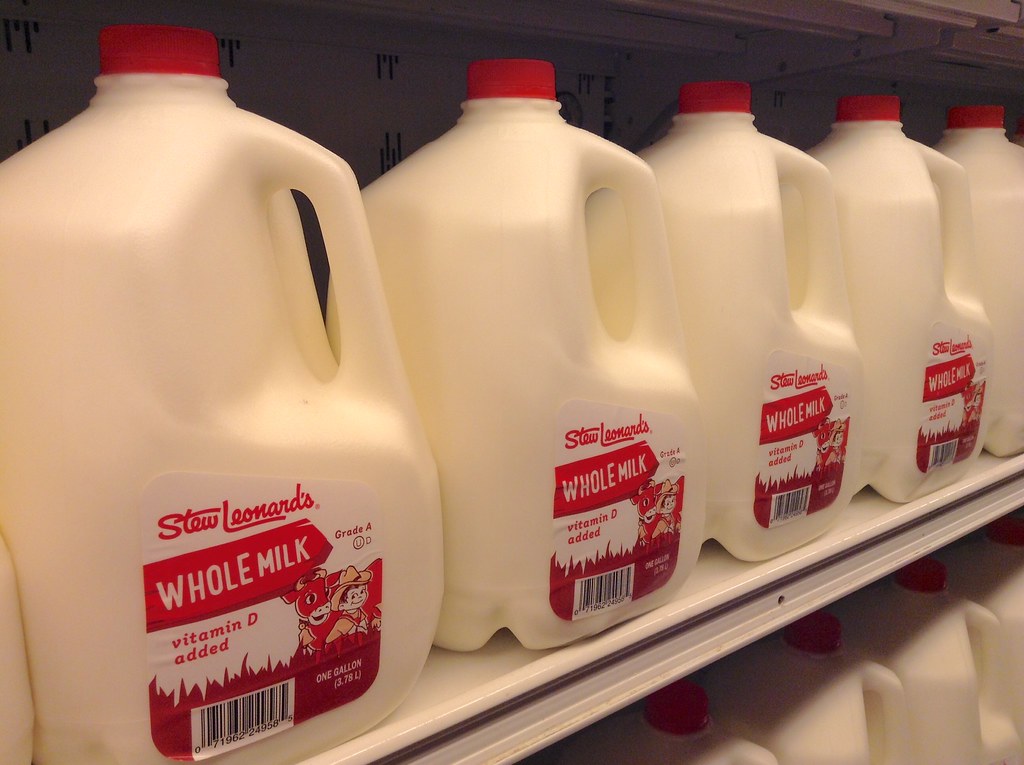
A recent nationwide milk recall has raised alarms for consumers across several states. Select fat-free milk products have been pulled from shelves after contamination with cleaning chemicals was discovered during production. Anyone who has purchased this milk is advised not to drink it, as consuming it could cause illness.
The affected milk was distributed in specific regions and sold under particular codes, making it important for shoppers to carefully check product labels. Retailers are offering refunds or returns to ensure public safety as the investigation continues.
With about 320 gallons impacted, families and individuals should remain cautious and stay informed to avoid potential health risks. For those who want details on how to identify the recalled milk, more information is available through the official recall announcements.
Overview of the Nationwide Milk Recall
A major milk recall has affected millions of consumers across multiple states, targeting widely sold milk products. The recall centers around potentially contaminated milk that may pose health risks, prompting immediate action from both the manufacturer and retail outlets.
Announcement and Purpose of the Recall
HP Hood, a leading dairy producer, announced the recall after detecting trace amounts of a cleaning chemical in several milk products. This precaution was taken to prevent any possible harm, even though no illnesses have been reported so far. The company emphasized consumer safety and urged those who purchased the affected milk to stop using it immediately.
The recall primarily aims to alert customers about the contamination risk tied to undeclared ingredients in the milk. HP Hood has cooperated with health authorities to manage this situation quickly and efficiently, offering refunds or exchanges to affected customers. The company’s transparency reflects their commitment to maintaining trust and ensuring public safety.
Timing and Scope of the Affected Products
The recall concerns milk products shipped from September 5th to September 18th, 2024. It includes 96-ounce containers of various milk types: whole milk, fat-free milk, 1%, 2%, and 2% calcium-enriched milk. These were distributed across 27 states, including New Jersey and several others in the northeast and beyond.
Consumers are advised to check the product codes printed on the containers to see if they fall within the recall batch. These products were stocked by numerous retailers and wholesalers nationwide, meaning the affected milk could still be in many households. For detailed information and assistance, customers can contact HP Hood directly or return the products to their point of purchase.
More specifics on the recall are available in this detailed milk recall report.
Types of Milk Products Involved
The recall affects multiple varieties of milk from the Lactaid brand, all sold in large 96-ounce bottles. Each product has the potential presence of an undeclared allergen, specifically almond traces, which pose risks for people with nut allergies. Consumers should carefully check the bottle codes before use.
Lactaid Whole Milk Details
Lactaid Whole Milk is part of the recall and is sold primarily in gallon-sized (96-ounce) containers. This product is popular because it provides the creamy texture of whole milk but with the added benefit of being lactose-free. The issue arises because the recall identifies potential almond contamination that is not listed on the label.
People with almond allergies need to be cautious and avoid consuming this milk. The packaging affected by the recall has the code 51-4109 P2. Lactaid Whole Milk is widely distributed across 27 states, making it important for many consumers to check their purchase carefully.
1% Milk and 2% Milk Affected
Both Lactaid 1% Milk and 2% Milk are included in the recall. These milk options are favored by people who want reduced fat but still enjoy the benefits of lactose-free milk. Similar to the whole milk, the issue is unwanted almond traces that could trigger allergic reactions.
The recall applies mostly to 96-ounce bottles bearing the same identifying code. It’s essential for families using these milk varieties to review their milk container codes and best-by dates to confirm a safe product. The recall covers states ranging from New England to the Midwest and southern regions.
2% Calcium Enriched Milk
The 2% Calcium Enriched Milk variety is also among the recalled products. This milk is tailored for consumers looking for extra calcium intake, especially important for bone health, combined with lactose-free convenience.
Like the other recalled milks, the almond contamination risk applies here as well. Consumers with nut allergies should not use this milk until they verify the product’s code. This particular variety is sold in the same 96-ounce packaging and affected by the same batch code.
Fat-Free and Other Milk Varieties
Fat-free Lactaid Milk is part of the recall too. Many people choose fat-free milk for lower calorie content. Despite appearing safe, these bottles may carry unlisted almond traces posing health risks.
In addition to fat-free milk, some other Lactaid milk varieties packaged in 96-ounce bottles may be affected. Everyone is encouraged to inspect the product codes and best-by dates carefully. If customers find their product involved, they should return it for a refund or replacement.
For detailed information, the milk recall notice from MassLive provides up-to-date updates.
Source and Nature of the Contamination
The contamination issue stemmed from cleaning chemicals used during routine maintenance at the production facility. Alongside this, undeclared almond traces were detected, complicating the recall. Clear product codes help consumers quickly identify the affected milk products.
Discovery During Routine Maintenance
The contamination was first discovered during a routine maintenance check at one of the milk processing plants operated by HP Hood. Workers detected chemical residues that should not have been present in the production line. This triggered an immediate internal investigation.
Samples revealed traces of cleaning agents had accidentally mixed with select batches of milk. This kind of contamination poses health risks, leading to a swift decision to recall the affected product. Early detection helped prevent wider distribution, but consumers are urged to be cautious and check their milk labels.
Role of Cleaning Chemicals in Contamination
Cleaning chemicals are essential for sanitation but must be handled carefully to avoid food contamination. In this case, a cleaning agent was not fully rinsed from equipment before milk processing resumed. This contamination could cause taste changes and potential health hazards if ingested.
The chemicals involved are used to kill bacteria and maintain hygiene, but residues in food products can cause chemical exposure. Safety protocols are being reviewed to strengthen checks after cleaning and avoid repeats of such incidents.
Undeclared Almond Traces
Unexpectedly, some milk products also contained undeclared almond traces. This is a serious allergen concern for people with nut allergies. The source of almond contamination was likely cross-contact during packaging or production.
This allergen presence not only breaches labeling regulations but also heightens the risk for allergic reactions among consumers. The recall notice highlights the need for vigilance, especially for sensitive individuals.
Product Identification Codes
Affected products include specific items marked with distinct identifier codes printed on packaging. Customers are advised to check for these codes on milk containers before consumption.
Information on the exact product codes has been widely shared via retailers and official recall communications. This allows consumers to identify and avoid the impacted milk batches easily, ensuring safety and minimizing risk. For detailed product codes connected to the recall, visit the official announcement at MSN health recall update.
Health Risks Associated With Contaminated Milk
Contaminated milk poses several health concerns, from mild reactions to more severe effects. Individuals consuming affected products may experience a range of symptoms depending on their health and sensitivity.
Potential Allergic Reactions
Some people are particularly sensitive to chemicals found in cleaning agents that can accidentally contaminate milk. Those with allergies may notice symptoms like skin rashes, itching, or mild swelling shortly after consumption.
People with lactose intolerance or those who usually consume alternatives like Lactaid milk may not experience these reactions from milk proteins but could still be vulnerable to chemical irritants. Avoiding the recalled batches is crucial to prevent unnecessary allergic responses.
Serious or Life-Threatening Risks
Chemical contamination in milk can lead to more severe health issues, especially in children, elderly individuals, or those with weakened immune systems. Ingesting toxic cleaning chemicals can cause nausea, vomiting, abdominal pain, and in rare cases, chemical burns in the digestive tract.
If the contamination involves strong disinfectants, there might be a risk of respiratory distress or systemic poisoning, requiring urgent medical attention. It is essential for consumers to heed recall warnings to avoid these critical risks.
No Reported Illnesses So Far
As of now, there have been no confirmed cases of illness linked to the contaminated milk batches. Authorities emphasize that the recall is a precaution to prevent any potential harm.
Consumers are urged to check labels carefully and dispose of any milk with warnings such as “do not drink.” Staying informed helps avoid exposure before any health issues arise. You can learn more about the recall details from the urgent milk recall report.
States and Regions Impacted by the Recall
The recall affects multiple states across the U.S., reaching a wide geographic area. It involves distribution channels including both retailers and wholesalers, impacting availability and prompting returns.
List of Affected States
The recall covers 27 states where HP Hood distributed Lactaid milk with potential almond contamination. Some of the states include New Jersey, New York, Pennsylvania, Florida, Texas, and Illinois. Others are Ohio, Michigan, Georgia, and Colorado.
Here is a sample list of the affected states:
- Alabama
- Connecticut
- Iowa
- Kansas
- Kentucky
- Louisiana
- Maine
- Maryland
- Minnesota
- Mississippi
- Nebraska
- North Carolina
- Oklahoma
- Virginia
- Wisconsin
- Wyoming
Consumers in these states should check their refrigerators for the specific recalled milk containers.
Distribution in Retailers and Wholesalers
HP Hood shipped the recalled Lactaid milk to retailers and wholesalers between September 5 and September 18, 2024. The recall specifically involves 96-ounce containers of various Lactaid milk types, including whole milk, fat-free, 1%, 2%, and 2% calcium enriched.
Both major supermarkets and smaller local stores in the affected states received shipments. Retailers are cooperating with the recall by removing products from shelves and offering full refunds or exchanges. Wholesalers are also actively pulling these products from their stocks to prevent further distribution.
Customers are encouraged to contact Hood Consumer Affairs at 800-242-2423 for questions or to confirm if their purchased milk is part of the recall. For more details, readers can visit the Lactaid milk recall page.
Steps for Consumers: What To Do if You Purchased Recalled Milk
Consumers who have bought the recalled Lactaid milk should carefully check their products at home. Knowing exactly how to spot the affected items and understanding the return process can provide peace of mind. Contacting HP Hood directly is another option for questions or concerns.
How to Identify Recalled Products at Home
Look for Lactaid milk products sold in 96-ounce bottles labeled as Whole Milk, 2%, 1%, Fat Free, or 2% Calcium Enriched Milk. The recall specifically targets items with the code 51-4109 P2 and certain “best by” dates printed on the packaging.
Check your milk bottles for these codes and dates carefully. If you find a match, do not consume the product. Even if the milk looks or smells fine, it could still contain traces of an undisclosed almond allergen, which poses a risk to those with allergies or sensitivities.
If unsure, compare your product details to the official recall list provided by HP Hood. Identifying these at home ensures safety and helps prevent allergic reactions.
Directions for Returns and Refunds
Customers can return the recalled Lactaid milk to the original place of purchase. Most stores accept returns without requiring a receipt. HP Hood and retailers are offering full refunds or exchanges to ensure no one keeps the affected products.
It’s important to safely dispose of the milk if returning it is not an option. Do not pour it down the drain or throw it in the trash without sealing it tightly to avoid accidental exposure.
Keep in mind, the recall applies only to the specific product lines, codes, and dates, so check each bottle carefully before deciding to discard or return.
Contacting HP Hood Consumer Affairs
For questions or more information, customers can reach out to HP Hood’s Consumer Affairs department. They are available to provide guidance on the recall, refunds, and product safety.
Consumers can contact HP Hood by phone or email, which can usually be found on the product packaging or the company’s official website. Keeping the product code and purchase information handy will speed up the support process.
This direct communication helps clarify any confusion and offers assistance tailored to individual concerns about the recalled Lactaid milk. You can find more details about the recall on the MassLive announcement.
Prevention and Future Safety Measures
Proper cleaning procedures and rigorous testing protocols are key to preventing chemical contamination in milk. Consumers and producers alike benefit when safety standards are clearly defined and regularly updated. Staying informed about recalls helps minimize risks associated with food safety issues.
Improvements in Maintenance and Testing
Milk producers are adopting more stringent cleaning and maintenance schedules to reduce the chance of residual cleaning chemicals contaminating products. Automated systems now provide continuous monitoring of sanitation equipment to catch mistakes early.
Routine chemical testing is being enhanced with faster detection technologies. These allow facilities to identify contamination right after production, rather than after distribution. Staff training has also been increased to ensure proper sanitizing practices and adherence to food safety guidelines.
Producers focus on clear labeling and traceability, making it easier to isolate problematic batches quickly. These steps reduce health risks and improve transparency in the dairy supply chain.
How to Stay Updated on Food Recalls
Consumers should regularly check official sources like the FDA website and trusted news outlets for the latest recall announcements. Many stores and brands offer email alerts or apps specifically for product safety updates.
Signing up for newsletters from food safety organizations or retail chains can provide timely warnings about contaminated products. Social media channels of government agencies also post urgent notices.
Keeping an eye on milk expiration dates and plant codes helps identify risky products, especially if a recall is issued. Promptly returning or discarding flagged items prevents exposure to harmful chemicals and protects household health. For more details on recent recalls, visit the FDA’s urgent advisory on milk recall over chemical contamination.
Leave a Reply