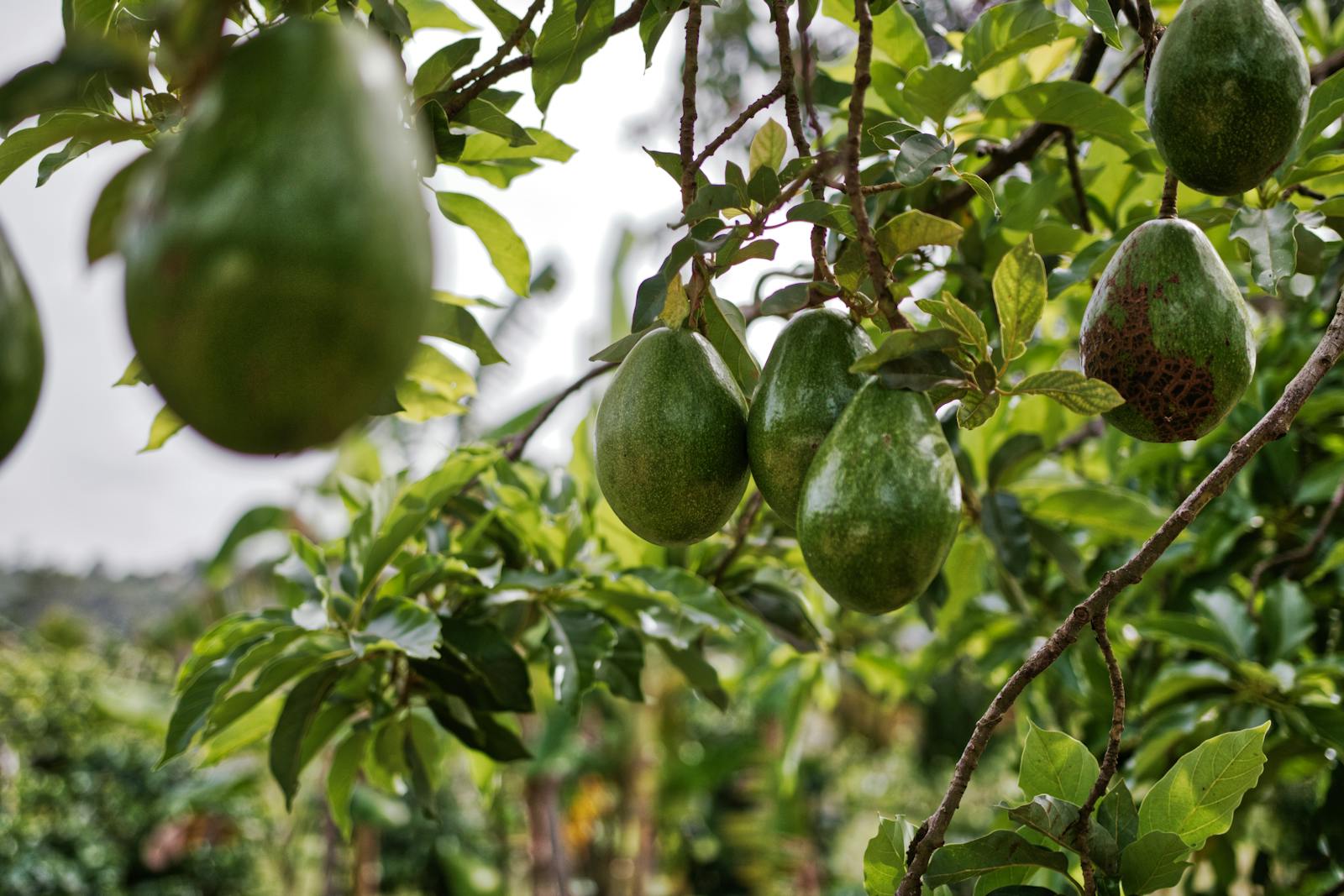
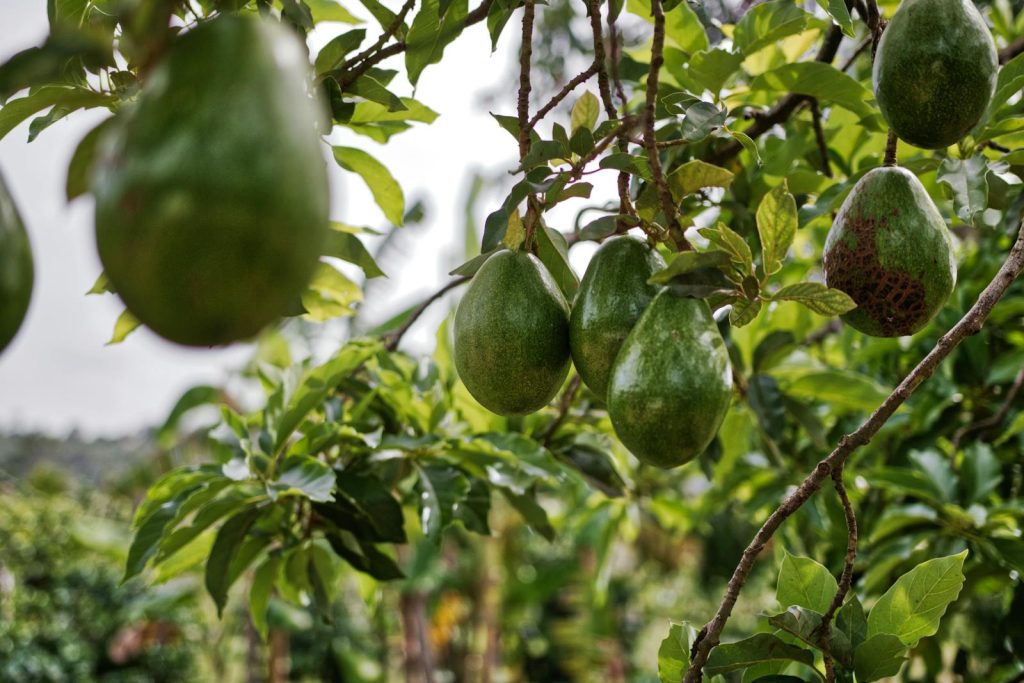
When it comes to avocados in the United States, many might assume that several states share the spotlight in growing this popular fruit. However, the reality is quite clear and surprising to some. California overwhelmingly leads the nation, producing about 90% of all avocados grown in the U.S.
This isn’t just about quantity but also about the ideal climate and conditions California offers for avocado farming. While states like Florida and Hawaii contribute to the market, they pale in comparison to the Golden State’s dominance.
Understanding why California is the top avocado producer reveals interesting insights about agriculture, climate, and even culture. It also helps explain why so many avocados in U.S. stores come from this single state. Learn more about the unique factors that make California the heart of avocado production.
The Top Avocado-Producing U.S. State
One state produces nearly all the avocados grown in the U.S., thanks to its ideal climate, extensive acreage, and large number of growers. This state’s avocado production accounts for about 90% of the national crop, making it the undisputed leader by a wide margin.
California’s Avocado Dominance
California grows roughly 90% of all avocados consumed in the United States. The state’s Mediterranean climate—with warm, dry summers and mild, wet winters—creates perfect conditions for avocados to thrive. Over 3,000 growers cultivate about 50,000 acres of avocado orchards, primarily concentrated in Southern California.
Most of the avocados produced are the Hass variety, known for its rich, creamy texture and pebbly dark skin. California’s avocado industry also includes several other varieties such as Fuerte and Bacon, but Hass remains dominant, making up about 95% of the state’s crop.
Beyond volume, California avocados are important economically and culturally, often called “green gold” for their value and popularity. The state has also led efforts in sustainable farming, including water-efficient irrigation and pest management techniques.
San Diego: Avocado Capital of the U.S.
San Diego County stands at the heart of California’s avocado production and is often referred to as the avocado capital of the United States. It alone produces a substantial share of California’s crop due to its unique microclimates and fertile soil.
The county’s long growing season and limited frost risk allow farmers to harvest avocados nearly year-round. San Diego hosts a majority of the state’s avocado farms, with many family-owned orchards contributing to consistent supply and quality.
Annual events, like the California Avocado Festival in nearby Carpinteria, celebrate the region’s deep connection to avocados. This area not only supports local economies but also helps promote the popularity of avocados nationwide through education and marketing.
For more details about California’s avocado leadership, visit this guide to California avocados.
Key Factors Behind California’s Avocado Success
California’s avocado industry thrives because of specific environmental conditions and the dominance of a single popular variety. These elements contribute directly to the high-quality fruit and consistent production the state is known for.
Ideal Climate and Soil Conditions
California’s Mediterranean climate is a natural fit for avocado trees. Mild winters with minimal frost risk prevent damage to the fruit. Summers are warm but not excessively hot, which supports steady growth without stressing the trees.
The soil in key growing regions drains well, which avocado trees need to avoid root rot. Coastal influences moderate temperatures and provide humidity levels avocado trees prefer. This combination creates an almost perfect growing environment.
Growers have about 50,000 acres primarily in Southern California dedicated to avocado production. This region’s unique weather and soil profile enable farmers to harvest avocados nearly year-round, sustaining a reliable supply that keeps the state in the lead for production. This is why California’s avocado industry remains strong despite competition from imports.
The Popularity of Hass Avocados
The Hass avocado has become the star of California’s crop, making up the bulk of production. This variety is favored for its creamy texture, rich flavor, and longer shelf life compared to other types.
Farmers have planted more Hass trees over the years, reflecting both consumer demand and the variety’s profitability. Its widespread popularity in the U.S. market helps maintain consistent buying pressure, ensuring almost every fruit grown is sold.
Marketing and research efforts also boosted the image of Hass avocados as a healthy superfood, further increasing consumer interest. This focused growth on a single variety helps California growers remain competitive and meet evolving market trends.
For additional insights on California avocado growers and the fruit’s rise, see how the state became the nation’s leading producer of avocados.
Other Avocado-Growing States and Their Roles
Besides California, a few other states contribute to avocado production in the U.S., each with unique growing conditions and challenges. These regions grow different avocado varieties and manage environmental factors that shape their output.
Florida’s Distinct Varieties
Florida primarily grows the Fuerte avocado and several other green-skinned varieties, which differ from California’s popular Hass avocado. These avocados have a smoother texture and a milder flavor, appealing to certain niche markets.
Florida’s climate is humid and subtropical, which allows these varieties to thrive but also encourages issues with fungal diseases. Growers often face challenges such as hurricanes and cold snaps, which impact production and crop consistency.
The state’s avocado industry is smaller but important for local markets. Florida avocados often do not compete directly with California’s Hass in nationwide retail but serve regional demand well.
Hawaii’s Unique Challenges
Hawaii’s avocado production is limited by its island geography and varied microclimates. The state experiences diverse weather patterns, from wet to dry zones, which affects where avocados can be grown successfully.
Farmers in Hawaii grow both Hass and other varieties, but production volumes remain low compared to California and Florida. High costs for labor and transportation also limit the expansion of commercial avocado farming.
Despite these obstacles, Hawaii’s avocado growers focus on quality over quantity, supplying local markets and tourism-driven demand with fresh, tropical-flavored fruit. This helps maintain a small but steady role in U.S. avocado production.
For more about the role of other states in avocado cultivation, see the report on avocado production by state.
How U.S. Avocado Production is Tracked
Tracking avocado production involves collecting precise data from multiple sources to capture the volume and value of the crop grown each year. This process helps understand trends, regional output, and supports market planning for farmers and buyers alike.
Latest Avocado Production Reports
The most recent reports on avocado production offer detailed figures on tonnage, acreage under cultivation, and estimated market value. For example, the United States produced around 149,600 tons of avocados in 2021, with California responsible for about 90% of that output. These reports also include updates on variety trends, like the popularity of the Hass avocado, which dominates commercial production.
Government agencies, such as the National Agricultural Statistics Service (NASS), release annual or biannual reports that track these numbers closely. They use surveys and satellite data to estimate both yield and planted acreage. Recent market overviews reflect fluctuations caused by weather, alternate bearing patterns, and demand changes. Detailed reports can be found through agricultural resource centers that compile this data for public and industry use.
Statisticians and Industry Data
Statisticians play a key role in analyzing raw data collected directly from growers and packing houses. They adjust for factors like climate impact, crop cycles, and export-import balances to create reliable production forecasts. The USDA’s Economic Research Service (ERS) collaborates with statisticians to provide ongoing updates on production trends, consumption, and trade flows.
Industry-specific organizations such as the California Avocado Commission also contribute data, using their market research to support advertising and price stabilization efforts. These groups help balance imported avocados from Mexico with domestic production to avoid oversupply issues. Ultimately, the combined efforts of statisticians, federal agencies, and trade organizations provide a clear picture of U.S. avocado production and help guide strategic decisions for growers and suppliers.
Economic and Environmental Impacts of Avocado Farming
Avocado farming has a significant footprint, influencing both the environment and local economies. It requires careful management of natural resources while generating income and employment. Understanding these effects is key to appreciating the broader role avocado production plays in agricultural regions.
Water Usage and Sustainability
Avocado trees need a substantial amount of water, often between 40 to 50 inches annually, which is high compared to many other crops. This water demand can strain freshwater supplies, especially in drought-prone areas like California, where most U.S. avocados are grown.
Farmers are increasingly adopting drip irrigation and other water-saving methods to reduce waste. These innovations help maintain production while addressing water scarcity concerns. Still, the intensive water use raises questions about long-term sustainability, particularly as climate change impacts rainfall patterns.
Pesticide and fertilizer runoff also threaten nearby ecosystems, which has prompted some growers to use integrated pest management to minimize environmental harm. Focusing on sustainable farming techniques supports healthier soils and water bodies, vital for maintaining avocado production in the future.
Economic Contributions to Local Communities
California’s avocado industry supports thousands of jobs—from farmworkers and packers to distributors and retailers. It contributes billions of dollars annually to the state’s economy, particularly in rural areas where economic opportunities can be limited.
Avocado farming drives growth in ancillary sectors like transportation and equipment sales. This ripple effect strengthens local economies beyond the farms themselves.
The demand for avocados has surged with changing consumer tastes, enabling orchard owners to invest in better technology and sustainable practices. These investments not only improve yields but also ensure the industry’s resilience against market fluctuations and environmental challenges.
California’s prominence in avocado production ensures it remains an essential player in the U.S. agricultural landscape, linking economic benefits with ongoing environmental stewardship. For more details about the economic and environmental importance, visit the avocado economy page.
Global Context: U.S. Avocados in the World Market
The U.S. plays a unique role in the global avocado market. While domestic production is significant, much of the avocados consumed in the country come from abroad. At the same time, avocados have become a staple worldwide, with demand rising sharply across many regions.
Imports Versus Domestic Supply
Although California leads U.S. avocado production, the vast majority of avocados eaten in the United States are imported. About 90% of avocados consumed in the country come from Mexico, reflecting a heavy reliance on imports to meet domestic demand. These imports are valued at billions annually, emphasizing their economic importance.
Domestic production hovers around 364 million pounds yearly, mainly from California’s Mediterranean climate, supporting Hass avocado cultivation. Smaller contributions come from Florida and Hawaii. Despite domestic efforts, imports continue to dominate because of year-round demand and production limits tied to climate and land availability.
This balance between imports and domestic supply ensures consumers have access to avocados outside the U.S. growing season, keeping markets well stocked throughout the year. Learn more about U.S. avocado production and imports at worldpopulationreview.com and cnbc.com.
The Global Popularity of Avocados
Avocados have become increasingly popular worldwide as a nutritious, versatile fruit. Global production topped over 10 million metric tonnes in 2023, with Mexico as the largest producer, followed by countries like the Dominican Republic and Peru. North America, driven largely by Mexico and the U.S., accounted for about 72% of global avocado output in 2022.
The creamy texture and health benefits of avocados have expanded their use beyond traditional cuisines into diverse international markets. This growing popularity has encouraged investment in production and distribution infrastructure globally. The U.S. remains the largest market for Mexican avocados, capturing over 90% of total exports, which fuels its consistent supply needs.
The expanding global avocado industry is valued at over $20 billion, reflecting strong consumer demand and increasing market diversification. For detailed statistics on global trends, see statista.com and essfeed.com.
Leave a Reply