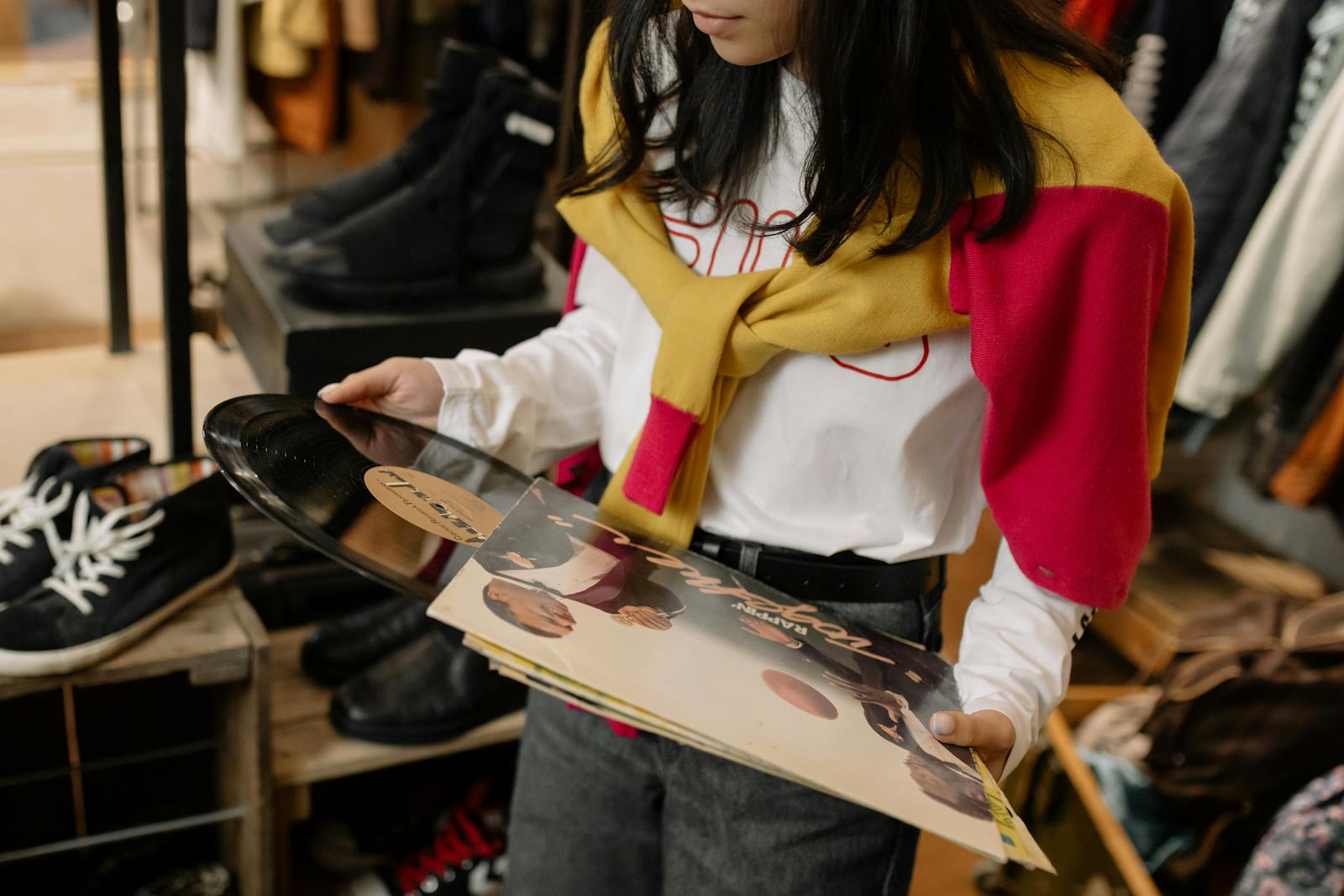
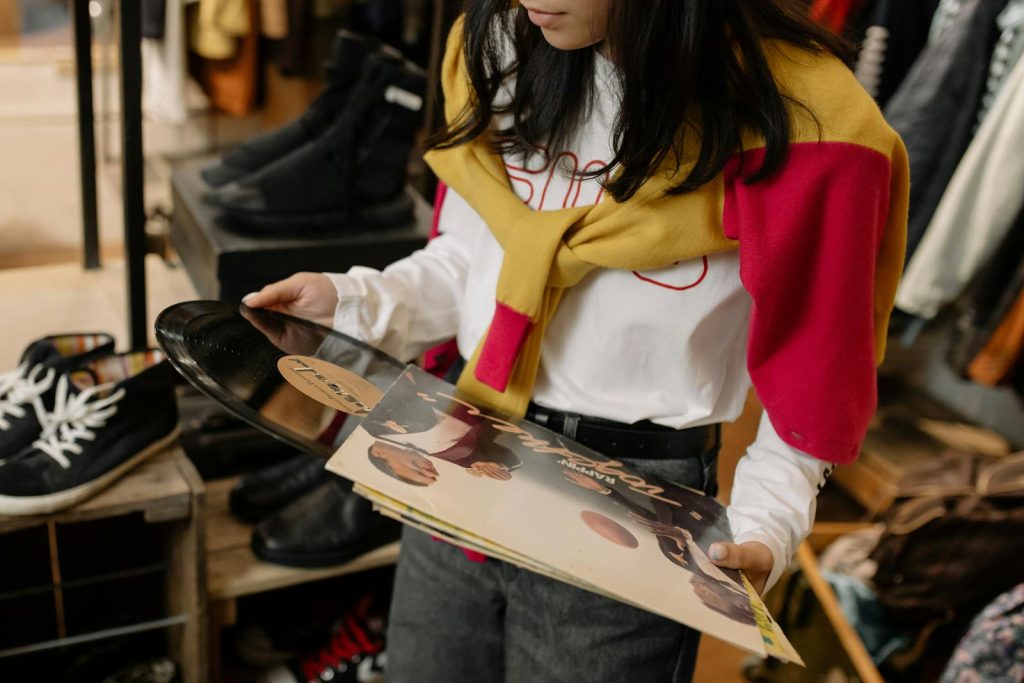
Many people love hunting for nostalgic treasures at thrift stores, drawn by the warm memories and unique charm these items carry. However, not every nostalgic find is a smart buy. Some items may look appealing but can end up costing more in repairs, cleaning, or simply not fitting into modern lifestyles.
The truth is, nostalgic thrift store finds aren’t always worth bringing home because they can have hidden flaws or lack practical value. Things like outdated electronics, worn-out furniture, or items with safety concerns might not be the gem they first appear to be.
Despite the excitement of scoring a vintage toy or a retro decor piece, it’s important to weigh the sentimental appeal against usability and condition. This helps avoid disappointment and ensures that thrifted nostalgia adds real joy, not headaches, to someone’s home. For more insight into what nostalgic home items to watch out for, see this article on nostalgic home items at thrift stores.
The Appeal of Nostalgic Thrift Store Finds
Nostalgic items found in thrift stores often carry a unique charm that taps into memories, emotions, and cultural trends. These objects can feel like a bridge to the past, offering comfort and identity. However, the reasons people are drawn to them vary widely, blending emotional connections with social influences.
Why Nostalgia Draws Us In
Nostalgia provides a sense of comfort and stability by reminding people of simpler or happier times. These feelings can be especially appealing when modern life feels fast-paced or impersonal. Thrift store items that evoke childhood memories or past decades offer an emotional anchor that many seek, creating a personal connection beyond their physical form.
This pull isn’t just about the item itself but the memories attached to it. Vintage toys, old records, or classic home decor pieces often trigger feelings of warmth and continuity. That emotional resonance makes these finds feel special and “authentic” in ways new items often can’t match.
Emotional Value Versus Practicality
While sentimental value is strong, it sometimes clashes with practicality. Many nostalgic finds may be delicate, outdated, or lacking in modern functionality. For example, old electronics might require rare adapters, and vintage furniture can demand extensive restoration.
Buyers often overlook these downsides, prioritizing the emotional meaning over usability or durability. This can lead to clutter or frustration when a prized nostalgic item doesn’t fit everyday needs. Balancing sentimental appeal with functionality is key to deciding if a purchase is truly worthwhile.
The Influence of Social Media Trends
Platforms like Facebook and Instagram have amplified the appeal of nostalgic thrift finds by showcasing rare, quirky, or visually striking items. Accounts dedicated to these treasures fuel a collective excitement, encouraging users to seek out similar pieces.
This social media buzz can boost demand but also inflate expectations. People might buy items more for their “Instagrammable” look or perceived trendiness than lasting value. The viral nature of nostalgia-focused posts makes thrift shopping feel like a cultural event, but not every find delivers the charm it promises in person.
For those curious about popular nostalgic thrift store finds, exploring these trends through accounts like Tales From The Thrift offers insight into what’s capturing attention.
Hidden Downsides of Shopping for Nostalgic Items
Buying nostalgic items at thrift stores can bring charm, but it also comes with risks. Some pieces may look great but come with hidden flaws that affect their usefulness, safety, or durability. Careful consideration is important before taking them home.
Quality and Condition Concerns
Many nostalgic thrift finds suffer from wear and tear. Items like milk glass collectibles or vintage lamps often have chips, cracks, or fading that reduce their value and functionality. Since thrift stores don’t always provide detailed condition reports, buyers may discover these flaws only after purchase.
In addition, some older furniture or decor may have non-repairable damage or missing parts. This can make restoration costly or impossible. For example, wooden chairs or stools might have loose joints or unstable legs that impact their safety and comfort. Knowing how to inspect items closely can prevent unpleasant surprises.
Outdated Functionality in Daily Life
Nostalgic items sometimes struggle to fit modern lifestyles. Electronics or appliances from past decades may no longer work correctly or lack compatibility with current technology. Even classic lamps might require hard-to-find bulbs or adapters.
In kitchen or dining rooms, vintage items like milk glass dishes look beautiful but can be fragile and not dishwasher safe, limiting everyday use. Similarly, furniture designed for past trends might not meet today’s ergonomic needs. This can lead to frustration if buyers expect easy practical use.
Health and Safety Risks
Older items can present health or safety hazards. Painted furniture and toys may contain lead-based paint banned today for its toxicity. Fabrics and cushions from earlier eras might harbor allergens, dust mites, or mildew.
Some nostalgic decor, such as lamps or electrical appliances, may have outdated wiring or poor insulation, increasing fire risks. Milk glass itself is generally safe but can chip easily, posing a cutting hazard. Buyers should check for recalls, test electrical items carefully, and clean items thoroughly before use.
Common Types of Nostalgic Thrift Store Finds
Nostalgic thrift store items often evoke memories but come in specific categories that many shoppers repeatedly encounter. These include toys and collectibles that appeal to childhood memories, decorative glassware and ceramics with distinct vintage charm, and essential home and kitchenware that once filled many households.
Vintage Toys and Collectibles
Vintage toys like old Barbie dolls and classic action figures are frequently found in thrift stores. While they can look charming or valuable, many require careful inspection for damage or missing parts. Their condition greatly impacts whether they’re worth buying or purely sentimental.
Collectibles such as trading cards or board games may hold nostalgic appeal but often lack tangible value unless they’re rare editions. Buyers should be cautious about overpaying for items that are common or heavily worn.
Many nostalgic toys also face safety concerns due to outdated materials. Checking for lead paint or brittle plastics is essential. This category can be rewarding but demands caution and research before a purchase.
Retro Glassware and Ceramics
Items like milk glass, vintage kitchen ceramics, and colorful glassware are popular nostalgic finds. Milk glass, with its opaque white finish, remains a sought-after collectible because of its unique style and historic significance.
However, broken edges and invisible cracks are common and reduce an item’s appeal or usability. Shoppers should examine the quality and authenticity closely since reproductions exist.
Retro ceramics often feature bright patterns that add charm to home decor but may not always fit modern tastes or needs. Inspecting glaze quality and overall cleanliness can help avoid surprises. These items serve a decorative role more than a functional one in many cases.
Classic Home and Kitchenware
Classic home items like wooden stools or metal kitchenware are staples for nostalgic thrift shoppers. These pieces often embody a sense of history and craftsmanship but can come with wear from decades of use.
For kitchenware, look out for rust, dents, or outdated safety standards, especially with electrical appliances. Wooden furniture might need refinishing or repairs but can add character to a space when restored.
Many shoppers go for these finds to blend old styles with modern decor, but functionality and condition should guide the decision to bring them home. Understanding what can be easily refreshed and what is too worn is key when hunting for these classic pieces.
For examples of nostalgic thrift finds and their impact on home styling, see nostalgic thrift store finds for 2025.
When Nostalgic Thrift Store Items Are Actually Valuable
Not every vintage find at thrift stores is just a charming memory—it can also hold real value. Knowing what to look for involves understanding if an item is a true collectible, keeping an eye on current trends, and carefully judging its rarity and condition.
Recognizing True Collectibles
True collectibles usually have a distinct cultural or historical significance. Items like original 1959 Barbie dolls, first edition vinyl records, or vintage Pyrex mixing bowls are examples that attract serious collectors.
He or she can identify these by brand names, original packaging, or recognizable designs from well-known manufacturers. For example, a boxed 1998 Furby from thrift stores might be worth hundreds, while generic toys rarely fetch similar prices.
Checking for authenticity matters. Some collectibles come with markings, serial numbers, or certificates of authenticity. Without these, the item is often worth less, even if it looks nostalgic.
Assessing Market Trends and Popularity
The value of nostalgic items often fluctuates with trends. Sneakers like the 1985 Nike Air Jordan 1 or early editions of video games like Atari 2600 see spikes during resurgences in popularity.
Monitoring auction results and resale sites helps thrift shoppers understand what’s hot. For instance, vintage concert posters or iconic 1980s MTV merchandise have gained renewed interest lately.
Not all vintage goods gain equal attention, though. Some items, like mid-century Pyrex or select Pokémon collectibles, consistently maintain demand, while others fade quickly. Staying informed is key to spotting worthwhile thrift store treasures.
Evaluating Rarity and Condition
Rarity significantly impacts value. Limited-run items, discontinued models, or those in original packaging are more coveted. An unopened Tamagotchi or a first pressing of Nirvana’s Nevermind will usually draw more interest than mass-produced equivalents.
Condition also plays a critical role. Items free of damage, with intact labels or dust jackets, always command higher prices. Collectors especially prize near-mint condition or factory-sealed products, which are rare finds at thrift stores.
Simple wear can drastically reduce an item’s worth, so careful inspection for scratches, discoloration, or missing parts is essential. Even slight imperfections might lower the value despite nostalgic appeal.
Finding true collectibles in thrift stores requires a mix of knowledge and patience but can lead to rewarding discoveries. For those willing to dig deeper, vintage treasures await beyond just sentimental value.
Read more about the psychology behind nostalgic shopping at psychologists reveal the real reason you’re drawn to antiques and nostalgic spaces.
Tips for Making Smart Thrifting Decisions
Smart thrifting means balancing enthusiasm with practical thinking. Knowing when to walk away and how to identify valuable or useful items helps avoid clutter and wasted money. This requires a clear mindset and some research before letting nostalgia steer purchases.
How to Avoid Emotional Overspending
Impulse buying often happens when shoppers get drawn in by memories attached to an item. To avoid this, it helps to pause and ask if the item serves a real purpose or if it will just gather dust. Setting a budget before visiting a thrift store prevents unplanned splurges.
Sheepishly picking up every nostalgic piece leads to clutter and regret. Instead, they should focus on items with clear potential uses. Visualizing where the item will fit in the home or how it will be repurposed curbs emotional overspending. Remembering Kelly Handley’s advice that many nostalgic finds “end up forgotten in a drawer” is a useful mindset.
Questions to Ask Before Buying
Every purchase should pass a quick reality check. Key questions include:
- Do I truly need this or am I buying just for the memory?
- Will I use it regularly or is it likely to sit unused?
- Is the item in good condition and safe to use (for example, avoiding glassware with lead)?
By answering these questions honestly, people can decide whether an item is worth its place on their shelves. Vintage items, like old electronics or jewelry, may look appealing but often require extra caution.
Researching Items for Value
Knowing the current market value of thrifted goods helps shoppers avoid overpaying. They can use apps or websites to check resale prices, especially for branded or collectible pieces. Some vintage items may have real worth, but many do not.
It’s also smart to verify authenticity, particularly for jewelry or antiques. Understanding trends in thrift store shoppers’ favorites for 2025, like certain nostalgic home décor, can guide better buys. This practical research adds confidence and stops one from being misled by sentimental appeal alone.
For more detailed insights, see tips on making wise thrift store purchases.
Sustainable and Mindful Alternatives to Thrifting for Nostalgia
Nostalgia often draws people to thrift stores, but not every find is practical or safe to bring home. Instead, focusing on ways to creatively reuse items or build meaningful connections with old objects can offer more lasting satisfaction.
Repurposing and Upcycling Finds
Repurposing thrifted items means transforming them into something new and useful rather than keeping them as-is. For example, vintage Tupperware containers may no longer be safe for food storage due to harmful chemicals but can be turned into organizers for craft supplies, desk accessories, or garden planters.
Upcycling can involve simple projects like repainting old picture frames, turning worn textiles into cushion covers, or reshaping glass jars for storage. These approaches reduce waste and allow the nostalgic element to remain while ensuring the item fits modern needs.
Tips for repurposing:
- Check the condition thoroughly for safety.
- Use non-toxic paints and sealants.
- Consider the item’s size and shape for its new purpose.
This method brings both a creative outlet and an eco-friendly alternative to blindly collecting vintage goods.
Creating New Traditions With Old Items
Sometimes the best nostalgia comes from the memories people make themselves. Instead of focusing on acquiring original vintage pieces, creating new traditions with older but functional items can be more rewarding.
For instance, an heirloom dish set can be used during family dinners, or an old blanket can become part of a cozy reading nook. Items that carry personal history or are repurposed thoughtfully often hold more emotional value than random thrift finds.
This approach emphasizes intentionality—choosing objects that enhance daily life without unnecessary clutter. It encourages making nostalgia personal and new, rather than simply collecting items because they appear vintage.
See more ideas on nostalgic home finds and mindful thrifting at Apartment Therapy.
Leave a Reply