Your garage is supposed to make life easier, not feel like a storage unit you are afraid to open. If you want fast progress, focus on the stuff that experts say is clearly past its prime or taking up space for no good reason. Start with these ten categories and you can literally see the floor again by the end of the day.
1. Old Extension Cords
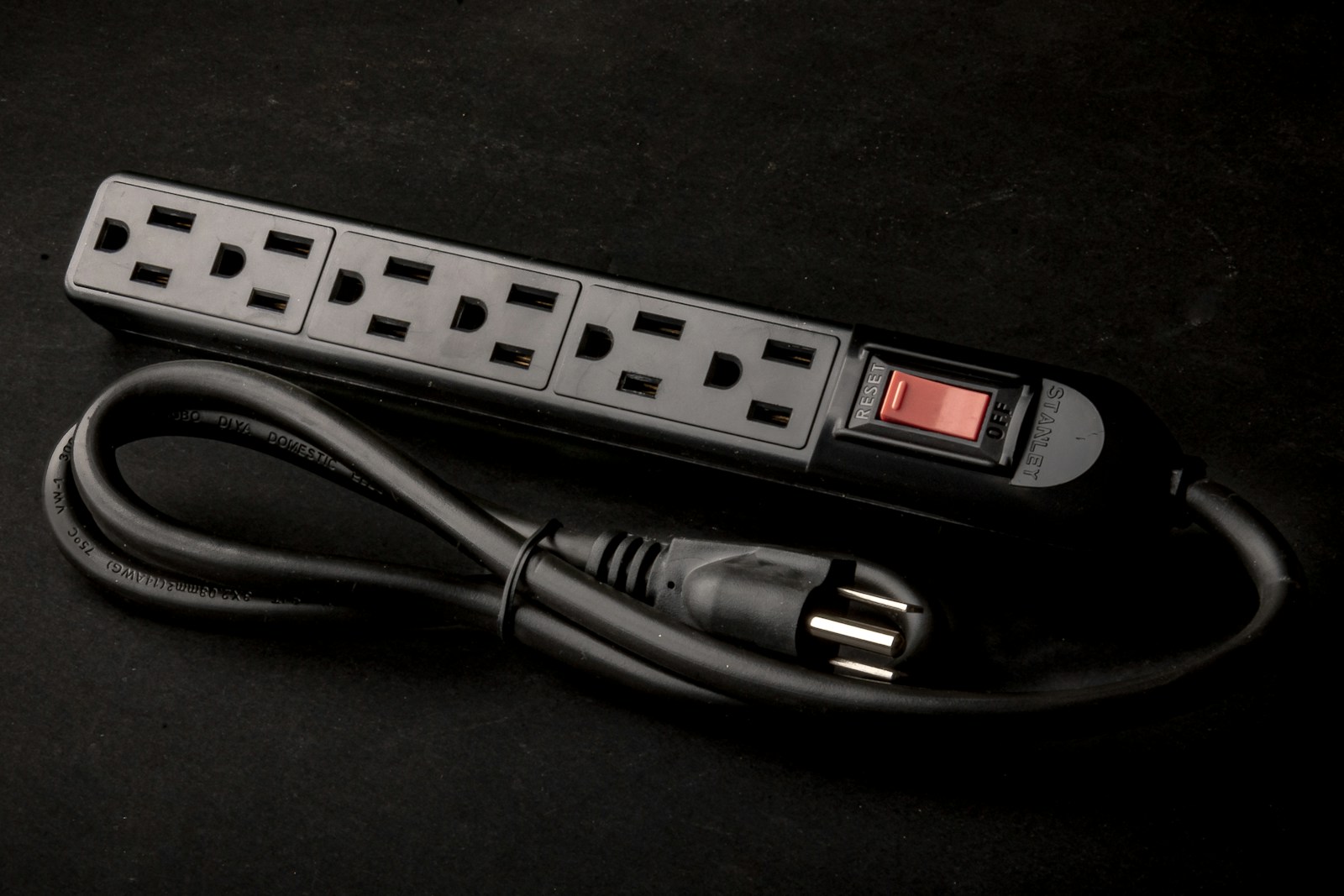
Old extension cords and random cables are classic clutter, especially when they migrate from the junk drawer to the garage. Guidance on cluttered cords points out that they tangle up storage areas and make it harder to reach the tools you actually use. If you have a milk crate of mystery wires, you are not gaining flexibility, you are just storing confusion. Frayed insulation or bent prongs also turn those cords into a safety risk around concrete floors and metal shelving.
Instead of keeping every cable “just in case,” match cords to real devices you still own, like your current pressure washer or leaf blower, and let the rest go. You can replace a specialty cord at a hardware store in minutes, but you cannot buy back the square footage those coils are eating. Clearing them out also makes it easier to spot the one heavy-duty outdoor cord you really need for weekend projects.
2. Duplicate Hand Tools
Duplicate hand tools sound useful until you realize they mostly sit there, taking up drawer space. Advice on what sells at yard sales notes that extra tools like spare hammers and screwdrivers are not exactly hot-ticket items, and you are often better off donating them than waiting for the perfect buyer. If you own three claw hammers, four tape measures, and a pile of nearly identical pliers, you are not running a hardware store, you are just shuffling clutter. Those duplicates also hide the one tool you actually reach for when something breaks.
A simple rule helps: keep the best version of each tool and let the backups go to a community tool library, a neighbor, or a donation center. You will still be fully equipped to fix a sagging cabinet door or assemble a new grill, but your workbench drawers will finally open and close without jamming. That extra breathing room makes every home repair project feel less like a scavenger hunt and more like a quick task you can actually finish.
3. Spare Screws and Hardware
Spare screws, random brackets, and mystery Allen wrenches are another “just in case” trap. Organizing experts warn that just-in-case hardware tends to pile up unused in drawers and bins, especially in garages. You probably have a coffee can full of fasteners from flat-pack furniture, old curtain rods, and long-gone shelving. The odds that you will find the exact 3/16-inch bolt you need in that chaos are tiny, and you are more likely to drive to the store anyway.
Instead of hoarding every leftover piece, keep a small, clearly labeled kit of common sizes and recycle or toss the rest. When you break down a box from a new bookcase or TV mount, decide right then whether any hardware is truly worth saving. This shift turns your garage from a dumping ground into a place where you can actually locate the right screw for a wobbly chair without digging through a decade of metal odds and ends.
4. Expired Paint Cans
Expired paint cans are one of the biggest space hogs in garages, and they can be risky to keep around. Guidance on attic clutter explains that old paint can dry out or become a safety concern over time, which applies just as much when those cans sit on a garage shelf. Another set of tips on Things To Toss From Your Attic Immediately notes that items like old magazines and papers are fire hazards, and paint, solvents, and similar products belong in that same “handle carefully” category. If a can has turned into a solid brick or the label is unreadable, it is not helping you touch up anything.
Check each can for a usable texture and a legible room label, like “2018 living room, eggshell.” Keep only what still matches current walls or trim, and schedule proper disposal for the rest through your local hazardous waste program. Clearing those shelves not only frees up wall space for bikes or shelving, it also reduces fumes and spill risks around kids, pets, and your car.
5. Faded Instruction Manuals
Faded instruction manuals for long-gone gadgets are another sneaky category that drifts from the junk drawer into garage boxes. Advice on clearing small spaces points out that bulky manuals for obsolete equipment are dead weight once the item is gone. If you have a folder of paperwork for a lawn mower you sold three summers ago or a stereo that never made it out of college, those pages are not doing you any favors. Most modern appliances, from your current garage door opener to your pressure washer, have PDFs online anyway.
Do a quick sweep: match manuals to items you still own, like your existing snow blower or air compressor, and recycle the rest. For anything you keep, snap a photo or download a digital copy so you are not tied to paper. That simple step can clear an entire drawer or file box, giving you room for things you actually need in the garage, such as warranty folders or a clear project notebook.
6. Old Holiday Decorations
Old holiday decorations tend to migrate to the garage once attic space fills up, and then they just sit there. Guidance on yard-sale pricing notes that decorations usually underperform at sales, so you are often better off donating them than waiting for a buyer. If you have a bin of tangled lights, faded plastic pumpkins, or chipped lawn reindeer, you are not curating a festive collection, you are storing regret. Those boxes also block access to more practical items like ladders or seasonal tools.
A good test is whether you actually used the décor last season. If you skipped a wreath or inflatable snowman two years in a row, let it go to someone who will enjoy it. Donate working pieces, responsibly recycle broken light strands, and reclaim that shelf for labeled bins of things you truly rotate, such as camping gear or winter car supplies.
7. Unused Sports Gear
Unused sports gear is another category that clogs corners and rafters. Organizing advice on just-in-case gear calls out items like old rackets that sit around without regular use, and garages are where those things usually land. Think deflated basketballs, bent tennis rackets, and kids’ baseball helmets from three sizes ago. You might tell yourself you will pick up tennis again or that your teenager will suddenly want that scooter, but the dust on those items is giving you the real answer.
Pull everything out and be honest about what still fits your body and your life. Keep the bike you ride every weekend or the pickleball set you used last month, and pass the rest to local leagues, schools, or resale shops. Clearing that pile not only opens up floor space, it also makes it easier to grab the gear you genuinely enjoy, which increases the odds you will actually get outside and use it.
8. Rusty Gardening Tools
Rusty gardening tools are not just ugly, they are usually ineffective. Advice on attic cleanouts explains that rusty tools and other deteriorating items should be discarded quickly to avoid further damage, and the same logic applies when they are leaning in a garage corner. A shovel with a cracked handle or a rake with missing tines will not magically fix itself between seasons. Keeping them only makes it harder to find the one sharp pair of pruners that can actually handle your rose bushes.
Sort your garden stash into three piles: solid and sharp, fixable with a quick cleaning, and clearly done. Oil and clean what you truly use, then recycle metal and trash splintered handles from the rest. When you are finished, you will have a compact, reliable set of tools that makes yard work faster, and you will not be tripping over a graveyard of broken gear every time you reach for potting soil.
9. Outdated Batteries
Outdated batteries are another small item that quietly causes big problems in garages. Guidance on junk-drawer clutter highlights that old Old Chargers and Cables and other disposable items quickly become “Actual Trash,” and batteries belong in that same category once they leak. Corroded cells can damage flashlights, garage door remotes, and storage containers, leaving you with a sticky mess and dead devices. Tossing them in a random box also makes it impossible to know what is fresh when the power goes out.
Gather every loose battery from drawers, toolboxes, and shelves, then check dates and condition. Keep only clearly labeled, in-date packs, and store them in a small lidded container away from extreme heat. Take expired or leaking batteries to a recycling drop-off so they do not end up in household trash. The payoff is simple: when you need a working AA for the stud finder or a 9-volt for the smoke detector, you will actually have one.
10. Leftover Building Materials
Leftover building materials, especially scrap wood, are notorious for swallowing entire garage walls. Advice on yard-sale strategy notes that scrap materials like random boards rarely sell quickly, which means they are not earning their keep as “inventory.” A leaning stack of two-by-fours from a deck project or a pile of broken tile from a bathroom update is more likely to attract spiders than inspire your next DIY masterpiece. Those piles also make it harder to park your car or roll out a workbench.
Be realistic about what you will actually use in the next year. Keep a small selection of straight, clean boards for real projects, and let the rest go through donation, recycling, or bulk pickup. If you truly love woodworking, invest in a proper lumber rack and store only usable lengths. Clearing the random scraps gives you room to move, set up sawhorses, and tackle projects without feeling like you are working in a lumberyard you never meant to open.
More from Wilder Media Group:
Leave a Reply