You probably toss dozens of things a week without a second thought, but some of that “trash” deserves a closer look. From old gadgets to half-forgotten holiday decor, certain items can be reused, donated, or handled more safely if you pause before pitching them. Here are 10 things you should never throw out without checking first, and how to make smarter calls about what really belongs in the bin.
1. Old Electronics
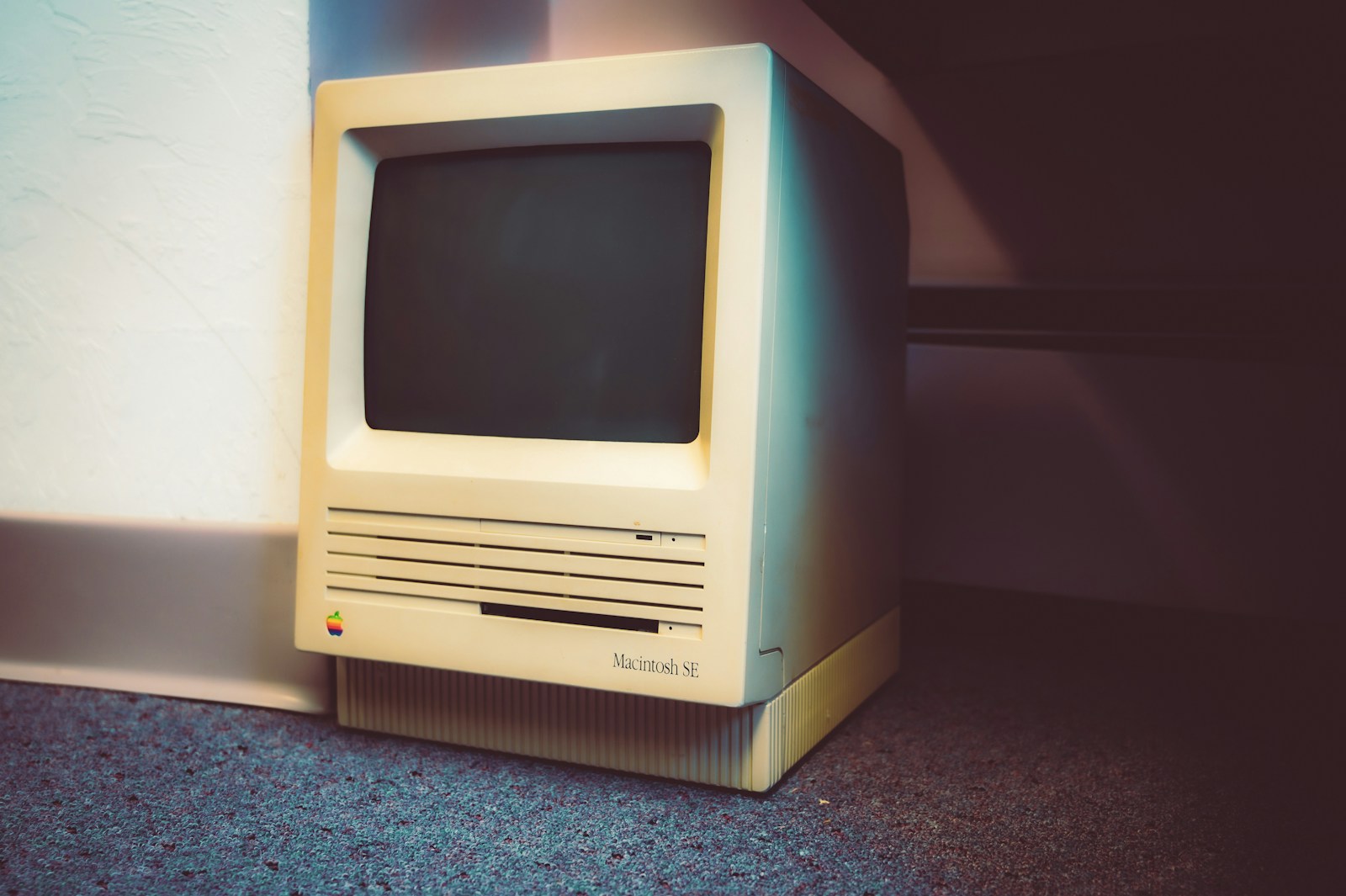
Old electronics are the classic “do not just toss” item, and you should always pause before dragging them to the curb. Guidance on avoiding everyday trash mistakes stresses that gadgets often contain hazardous materials and personal data, so they need more than a casual goodbye. Before you ditch a laptop, tablet, or phone, wipe or remove the hard drive, pull any SD cards, and check whether a local store or municipal program offers e-waste recycling.
That extra step matters for both privacy and the environment, since batteries and metals can leak into landfills if you treat them like regular garbage. You might even recover value by trading in an older iPhone or selling a working Nintendo Switch instead of paying to dispose of it. When you build a habit of checking electronics first, you cut clutter, protect your information, and keep toxic components out of the regular trash stream.
2. Worn Clothing
Worn clothing is another category you should never toss without a quick inspection. Advice on what you truly will not miss points out that “old clothing” does not have to go in the trash at all, especially when fabrics can be reused. Before you bag everything up, separate items that are still wearable for donation, and pull out anything made of cotton or linen that could become cleaning rags or craft material.
Even pieces that feel too basic to sell can have a second life if you follow the reminder to “Keep in mind, that you do not need to put old clothing in the trash.” Turning a stained T-shirt into a dust cloth or cutting jeans into patches keeps textiles out of landfills and stretches your budget. The stakes are bigger than your closet, since large volumes of clothing waste add pressure to local disposal systems and global textile dumps.
3. Sentimental Photos
Sentimental photos are exactly the kind of thing organizing pros quietly rescue from the trash bag. In guidance on items they would never part with, experts explain that even when you are decluttering aggressively, you should pause before tossing pictures and other memory-heavy pieces, because you often regret losing them later. One report notes that people are rethinking what is actually making its way into the trash can, especially when it comes to irreplaceable documents and images.
Instead of letting loose prints float around in drawers, you can scan them, frame a few favorites, and store the rest in a clearly labeled box. That same mindset is why the piece flags Even an expired passport as something you should not casually throw away, since it is both an identity document and a personal timeline. When you slow down long enough to digitize or properly store photos, you protect your history and avoid the heartbreak of realizing you tossed the only copy of a family moment.
4. Multi-Use Containers
Multi-use containers, from sturdy jars to solid boxes, deserve a second look before you send them to recycling or the trash. Organizing specialists highlight that they rely on simple, repeatable storage solutions, and they often keep versatile pieces that can corral small items, pantry goods, or craft supplies. In advice on what they would never get rid of, they point to everyday containers as quiet workhorses that support long-term systems instead of adding more plastic bins.
When you evaluate a glass jar or a well-made shoe box, ask whether it could hold batteries, Electric Cords, or seasonal accessories in a closet. Related guidance on functional things you might regret tossing notes that you often need simple, flexible storage more than you need another organizing product. Reusing containers cuts costs, reduces packaging waste, and helps you build a home setup that is easier to maintain over time.
5. Expired Pantry Staples
Expired pantry staples like spices, oils, and baking mixes should not go straight into the trash without a quick check. Reporting on kitchen items you really should toss explains that some foods become unsafe or lose quality long before you notice, especially when oils turn rancid or baking powder loses its lift. That said, the same guidance encourages you to actually read labels and look at condition instead of assuming every “best by” date is a hard cutoff.
For example, whole spices often last longer than ground ones, and unopened dry goods stored in a cool cabinet may still be fine shortly after their printed date. The key is to balance freshness and food safety with waste reduction, using your senses and the manufacturer’s instructions together. When you check first, you avoid cooking with stale ingredients, but you also stop yourself from automatically throwing away food that is still usable.
6. Outdated Utensils
Outdated utensils, especially wooden spoons and cutting boards, are another category where you should inspect before you toss. Kitchen experts who walk through things to never throw out point out that some tools can be sanitized, refinished, or repurposed instead of replaced. A scarred wooden board might be unsafe for raw meat, for example, but still perfectly fine for bread if you sand and oil it.
When you are decluttering drawers, look for cracks, deep stains, or lingering odors to decide what truly has to go. Items that pass that test can shift roles, like an old spatula moving from kitchen duty to outdoor grilling, or a scratched baking sheet becoming a craft tray. That habit saves money and keeps metal and wood out of the waste stream, while still respecting the food safety warnings in lists of things in your kitchen you should throw away now.
7. Unused Travel Accessories
Unused travel accessories, from random luggage tags to extra adapters, are easy to ignore until you are packing in a rush. Guidance on how to declutter before travel urges you to sort these items before a trip so you are not hauling dead weight or rebuying what you already own. When you go through your stash, you can test chargers, match keys to suitcases, and toss broken pieces while setting aside anything still useful.
Instead of throwing everything out, create a small “travel kit” with working luggage tags, a universal adapter, and a labeled pouch for documents. That way, you are repurposing what you have and only discarding what is truly unusable. The stakes show up at the airport, where a missing tag or adapter can cost you time and money, and at home, where unchecked clutter quietly fills drawers with duplicates you did not realize you owned.
8. Seasonal Decor
Seasonal decor is another thing you should never toss without a quick review, especially when you are in pre-trip purge mode. The same travel decluttering advice that covers vacation prep also nudges you to look at holiday items with a cooler head, sorting what you actually use from what is just taking up space. Instead of sweeping everything into a trash bag, you can group decor by season and condition, then decide what to keep, donate, or recycle.
Organizing pros who talk about valuable items they always save even suggest packing favorites in a bin clearly labeled “Costumes” so you can find them before your next bash. That same strategy works for wreaths, string lights, and table linens, which are expensive to rebuy if you toss them in a hurry. By checking decor before you discard it, you cut clutter without accidentally throwing away pieces that anchor family traditions or future parties.
9. Winter Car Fluids
Winter car fluids, including antifreeze and windshield wiper fluid, should never be discarded casually, especially when temperatures drop. Advice on things you should never leave in your car during winter highlights how cold weather can affect both your vehicle and anything stored inside it. While that list focuses on items like Beverages and Aerosol Cans, the same logic applies to checking fluid levels and expiration dates before you decide a container is useless.
Instead of tossing half-full bottles, confirm whether the product is still within its recommended life and whether your car actually needs a top-off. Properly stored antifreeze and wiper fluid can be critical for visibility and engine protection in freezing conditions. When you verify first, you avoid wasting money on replacements and reduce the risk of pouring expired or contaminated fluids into your vehicle or the environment.
10. Emergency Car Kits
Emergency car kits are the last thing you should throw out without a serious check, especially before winter. Lists of Things You Should Never Leave in Your Car During Winter mention essentials like Pets, Beverages, Aerosol Cans, and Cell Phones, underscoring how extreme cold can turn everyday items into hazards. That same seasonal risk is exactly why you need a working kit with blankets, flashlights, and charged batteries instead of an expired bundle of gear.
Before you decide an old kit is junk, open it up and test what you can: swap dead batteries, wash blankets, and replace outdated snacks or medications. You might move some items, like cash or important documents, into a safer indoor spot while still keeping the rest of the kit in your trunk. The stakes are obvious on a dark roadside, where a functioning flashlight or warm layer can turn an inconvenience into a manageable delay instead of an emergency.
More from Wilder Media Group:
Leave a Reply