You do not need a walk-in closet or a capsule wardrobe to feel pulled together, but you do need to stop letting tired pieces hog space. If you want a fresher, easier-to-use wardrobe this year, start by tossing the items that organizers and style experts say are dragging everything down. Use this list as a no-drama checklist so you can clear the clutter and actually wear what you own.
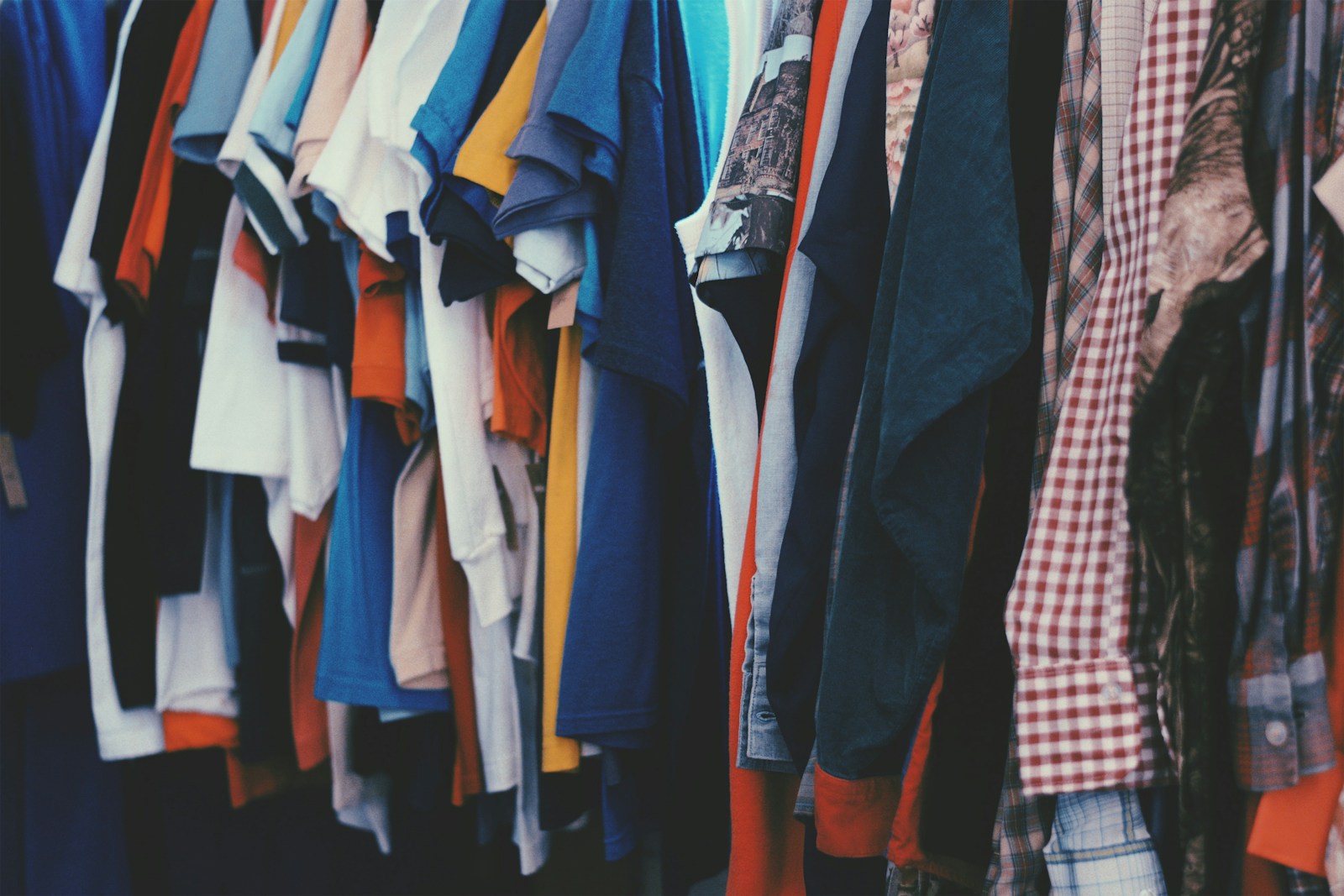
1. Stained or Damaged Basics
Stained or damaged basics are the first things you should toss, because they quietly make your whole wardrobe feel sloppy. Professional organizers point out that clothes with set-in stains, frayed hems, or holes you never get around to fixing no longer serve a functional purpose, and they recommend removing these pieces to keep your closet looking intentional. Guidance on items you are keeping that you should toss specifically calls out irreparable clothing as visual clutter that undermines a polished look.
Once you pull those pieces, be honest about what is truly beyond saving. A white T-shirt with yellowed underarms, leggings with thinning fabric, or a blazer with a shiny, worn collar will not suddenly become “good enough” for a big meeting. Toss what is ruined, then set aside a small repair pile for items that are actually worth mending. You will reach for the remaining basics more often, because you will trust that anything you grab is in ready-to-wear condition.
2. Ill-Fitting Favorites
Ill-fitting favorites might be emotionally loaded, but they are still clutter if they do not work on your current body. Experts who specialize in closet clean-outs stress that pieces that pinch, sag, or refuse to zip are blocking space you could use for clothes that fit the way you live now. Advice on closet clean-out tips is clear that items that no longer fit because of life changes should go so you can actually see and wear what works.
To make the call, try everything on in good lighting and move around in it. If you cannot sit comfortably, raise your arms, or walk without adjusting something, it is not a “favorite,” it is a costume. Some organizers even talk about this question coming up ALL, THE, TIME when people debate whether to keep clothing that does not fit. Letting these pieces go reduces guilt every time you open your closet and makes room for jeans, dresses, and suits that match your real shape and style today.
3. Duplicate Wardrobe Fillers
Duplicate wardrobe fillers are those five nearly identical black tees or three pairs of the same faded joggers that you never actually rotate. Professional advice on items you absolutely must toss notes that multiples of the same thing quickly turn into clutter, especially when you always reach for just one or two favorites. Keeping only the best version of each category, and donating or recycling the rest, instantly streamlines your choices.
Lay out your duplicates side by side and compare fabric quality, color, and fit. Keep the one that feels great and looks sharp, then be ruthless with the extras that are stretched out, dingy, or oddly cut. This is also where you can spot gaps, like realizing you own six nearly identical gray hoodies but no polished cardigan for work. Editing down duplicates not only clears hangers, it also reveals what your wardrobe is actually missing.
4. Long-Unworn Heirlooms
Long-unworn heirlooms and “someday” pieces are another category that pro organizers flag as prime toss material. When clothing has not been touched for 12 months or more, it is usually a sign that it is not essential to your lifestyle, no matter how much you once loved it. Guidance on how to Start assessing your wardrobe emphasizes identifying items that no longer serve you, including pieces that still have tags or live permanently at the back of the rod.
To make this less emotional, separate true sentimental keepsakes from everything else. Maybe you save one special concert tee or your wedding shoes in a memory box, but that does not mean you need to hang on to every dress from a past job or decade. If you have not worn something through all four seasons, it is probably safe to donate it so someone else can enjoy it. Your closet should reflect who you are now, not every version of you from the last ten years.
5. Skinny Jeans Holdovers
Skinny jeans holdovers are starting to look more like a time capsule than a modern staple. Trends experts point out that very tight, restrictive skinnies are fading from current style in favor of looser, more relaxed silhouettes that offer better mobility and comfort. Reporting on winter fashion trends highlights that clinging cuts are being replaced by straight, wide-leg, and barrel shapes that feel fresher and more balanced.
You do not have to purge every slim jean, but it is worth letting go of pairs that feel like denim leggings or cut into your waist. Those older washes and super-skinny ankles can make outfits look dated next to softer, more relaxed lines. Try swapping one or two pairs for a straight-leg or slightly baggy style and see how much easier it is to pair with sneakers, loafers, and boots. Your outfits will instantly read more current, even if nothing else changes.
6. Faded Color Washes
Faded color washes are another sneaky culprit that make your wardrobe look tired. Over time, repeated laundering strips vibrancy from fabrics, leaving blacks looking charcoal and brights looking dusty. Advice on retiring washed-out pieces notes that these garments tend to look dated and less polished, especially when they sit next to newer, richer colors on the rack.
Scan your closet for tees, leggings, and sweaters where the color no longer matches the original tone at the seams or inside tags. If a navy dress now reads as a murky gray-blue, or your favorite red sweatshirt looks pinkish and thin, it is time to let it go. Keeping only saturated, intentional colors makes mixing and matching easier and helps even casual outfits feel more pulled together. You will also notice that accessories like bags and shoes suddenly coordinate better when your base pieces are not unintentionally faded.
7. Uncomfortable Heels
Uncomfortable heels deserve a fast exit, no matter how pretty they look on the shelf. Professional guidance on pre-season decluttering points out that shoes that cause blisters, pinched toes, or back pain are not worth the space they take up. Advice on items organizers toss before summer specifically calls out painful footwear as something to remove so you can prioritize foot health over fashion.
Try on every pair of heels and walk around your home for a few minutes. If you are already planning where to stash flats in your bag, that is your answer. Keeping only the pairs you can actually stand in for a full event means you will stop defaulting to the same worn-out sneakers or sandals. It also nudges you toward buying better-designed shoes in the future, like block heels or platforms that give you height without wrecking your joints.
8. Pilling Winter Layers
Pilling winter layers, especially heavy knits, can make even a chic outfit look messy. When sweaters and cardigans are covered in fuzz balls or stretched out at the cuffs and hem, they overwhelm your closet visually and physically. Trend reporting on pilling winter knits notes that pieces that are stretched beyond repair should be cleared out before they swallow your spring and fall wardrobe space.
Go through your stack of sweaters and check under the arms, along the sides, and at the neckline. A fabric shaver can rescue some pieces, but if the knit is thinning or the shape is warped, it is time to part ways. Keeping only smooth, well-structured layers makes it easier to dress up jeans or trousers without feeling bulky. It also helps you see what you actually need, whether that is a refined crewneck for the office or a single, great-quality chunky cardigan.
9. Dated Graphic Tees
Dated graphic tees are fun in theory but often just clog your drawers. Organizing advice on clearing out novelty pieces points out that old novelty prints and juvenile slogans quickly start to feel off once your style evolves. When you have stacks of shirts from random events or trends you no longer relate to, it becomes harder to find the simple basics you actually want to wear.
Spread your tees out and separate the ones that still feel like “you” from the ones that belong to a past phase. Maybe you keep a couple of meaningful band shirts or travel souvenirs, but let go of freebies, joke slogans, and graphics that have not seen daylight in seasons. If you need a reality check, remember that some style content, like the reel titled Here are 45 outdated wardrobe items you should consider throwing away immediately for a fresher, more stylish look: Clothing, puts graphic clutter high on the hit list. Clearing them out makes room for solid tees and tanks that layer with everything.
10. Oversized Trend Relics
Oversized trend relics, especially bulky blazers from the early 2010s, are another category worth editing. Professional organizers who focus on seasonal clean-outs note that these exaggerated shapes can distort your proportions and drown your frame, especially if the shoulder pads and long lengths no longer match current tailoring. Guidance on what to toss before a new season includes letting go of outerwear and layers that no longer flatter your silhouette.
Try on those old boxy blazers and oversized jackets with a simple tee and jeans. If you feel like you are wearing someone else’s suit, or the piece overwhelms your outfit instead of finishing it, it is probably time to retire it. Replacing just one or two of these relics with a more streamlined, slightly structured blazer instantly sharpens your whole wardrobe. You will find it easier to dress for work, dinners, and events without feeling like you are stuck in a past trend cycle.
Leave a Reply