When your home feels like a disaster zone, starting to declutter can feel impossible. The trick is to stop thinking about “the whole house” and focus on a few easy, high-impact categories that quickly cut visual noise. These 12 items give you simple, concrete places to start so you can declutter even when you feel completely overwhelmed.
1. Old Clothes
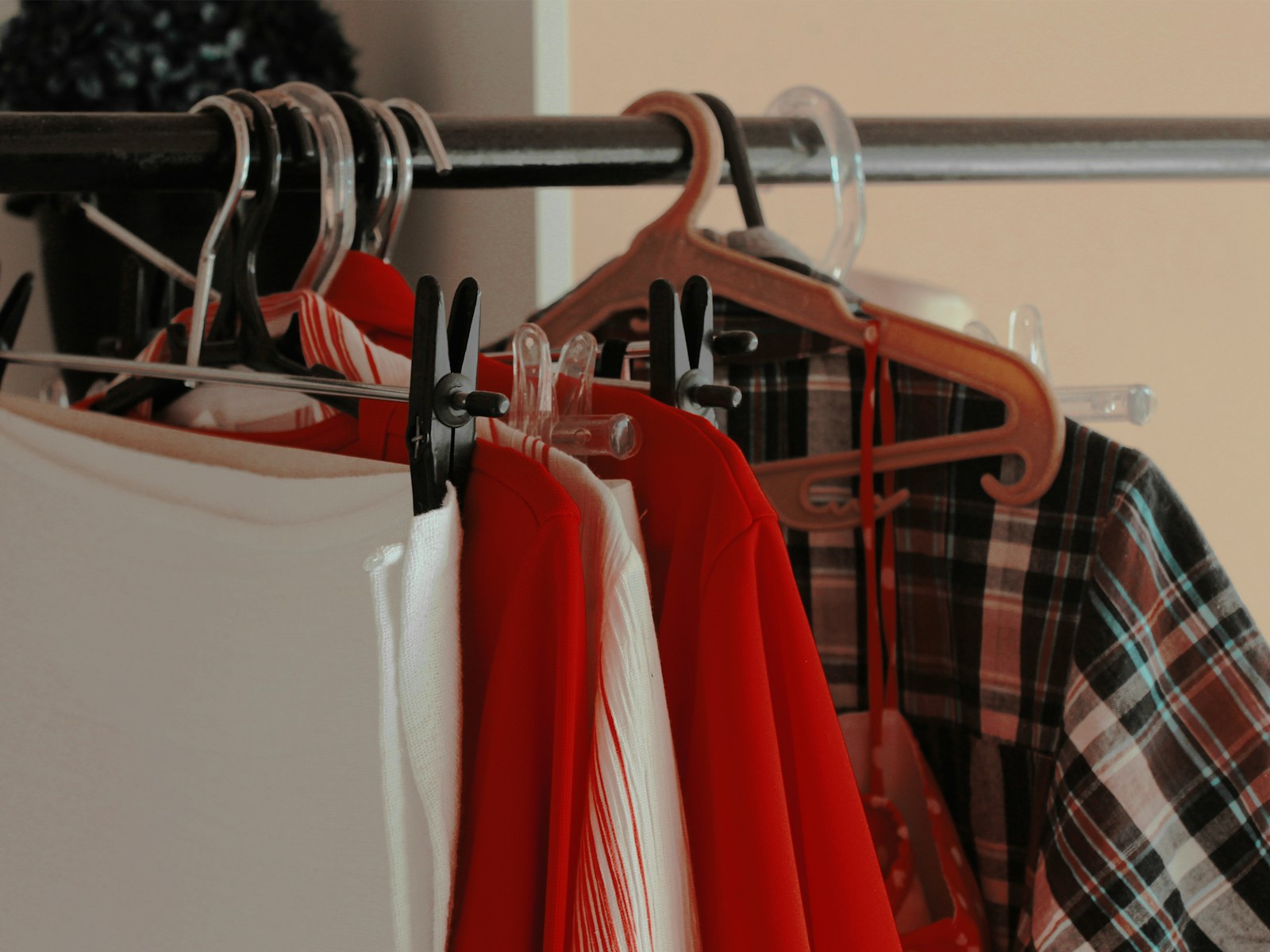
Old clothes are one of the fastest wins when you are trying to declutter while overwhelmed. You probably have Unworn pieces hiding in the back of drawers, hanging on Broken hangers, or stacked in laundry baskets you never quite put away. Letting go of anything that does not fit, feels uncomfortable, or you have not worn in a year instantly frees space and decisions. That is exactly the kind of small, targeted step recommended when you are figuring out how to start decluttering when overwhelmed.
To keep it simple, pull out just one type of clothing at a time, like T-shirts or jeans, and sort into keep, donate, and trash. If you hesitate, remember that every Old item you release makes your closet easier to use and your mornings less stressful. The broader trend in decluttering checklists is clear, from Unworn clothes to Worn dish towels, you get the biggest payoff by clearing what you already know you are not using.
2. Duplicate Kitchen Utensils
Duplicate kitchen utensils quietly crowd your drawers and make cooking feel harder than it needs to be. When you are overwhelmed, digging through three spatulas and four ladles just to find one tool adds to the mental clutter. Many decluttering guides call out Unused Kitchen Gadgets and even Single-use tools as prime targets, because they take up space without giving much back. If you own three peelers but always grab the same favorite, the extras are not helping you cook faster or better.
Start by emptying one drawer and grouping like with like, all spatulas together, all whisks together. Keep the best one or two and let the rest go. This is the same logic behind lists of Expired Pantry Items, Spices, Unused Kitchen Gadgets, Single tools, and Old Towels and Linens, you are cutting down on excess so your space supports you instead of slowing you down. A streamlined kitchen makes daily routines smoother, which matters a lot when you are already feeling stretched thin.
3. Expired Pantry Items
Expired Pantry Items are a classic starting point because they are low drama and high impact. You are not wrestling with emotions over a favorite sweater, you are just checking dates on canned beans and stale snacks. Several decluttering lists highlight Expired food in the pantry as an easy win, urging you to Check the labels and Discard anything spoiled or far past its prime. Clearing out those dusty jars and boxes instantly opens up shelf space and makes it easier to see what you actually have.
Pull everything from one shelf, group similar foods, then toss anything clearly Expired or questionable. When you Check the dates and Discard what is no longer safe or tasty, you are not just tidying, you are protecting your budget and your health. A cleaner pantry also cuts decision fatigue at dinnertime, because you are not sorting through clutter to figure out what you can cook.
4. Piles of Junk Mail
Piles of junk mail are sneaky clutter magnets that make every surface feel busier. When you are already overwhelmed, seeing stacks of envelopes, flyers, and Takeout Menus and Kitchen Papers can make you want to shut down. The good news is that junk mail is usually low-attachment clutter, so you can move quickly. Grab a recycling bin and a shredder if you have one, then stand at the counter and deal with each piece once, recycle, shred, or file.
Decluttering checklists often group junk mail with Old Magazines and Newspapers because they all pile up quietly until they take over. If you struggle to keep up, set a tiny daily rule, like sorting the day’s mail before you put your keys down. That one habit keeps new clutter from forming, which is crucial when you are trying to maintain momentum instead of slipping back into chaos.
5. Unused Electronics
Unused Electronics, from old phones to random chargers, create a tangle that feels way more complicated than it is. When you are overwhelmed, that mess of cords can feel like a tech graveyard you do not even want to touch. Decluttering guides specifically call out Broken or Unused Electronics as clutter that eats up drawers and closets without offering any real value. Those outdated devices are not making your life easier, they are just taking up mental and physical space.
Start by gathering every cable, charger, and gadget into one spot so you can see what you are dealing with. Toss anything clearly Broken, then match remaining cords to devices you actually use. The rest can be recycled through local e-waste programs. One popular decluttering checklist for Old Magazines and Newspapers, Broken and Unused Electronics, and Decorative Items That Don, Spark Joy shows how clearing these forgotten corners can make your whole home feel more intentional.
6. Old Magazines and Newspapers
Old Magazines and Newspapers are classic “I will read that later” clutter. In reality, later rarely comes, and those stacks just collect dust. Several decluttering lists single out Old magazines as easy items to release, especially When they are sitting in piles you are not actually reading. These paper towers make coffee tables, nightstands, and even floors feel crowded, which ramps up that sense of overwhelm every time you walk by.
Give yourself permission to keep only the most recent issue or two and recycle the rest. If there is a recipe or article you truly love, snap a photo and store it digitally instead of keeping the whole magazine. One guide to Old paper clutter and When it is time to let it go shows how quickly your living room can feel calmer once those piles disappear. Less visual noise means your brain can finally relax in your own space.
7. Faded Towels and Linens
Faded Towels and Linens quietly drag down how your home feels, even if you do not consciously notice them. When your bathroom cabinet is stuffed with Old towels and washcloths, it is harder to find the few you actually like. Decluttering lists often suggest retiring Old textiles to the rag pile or pet care, especially Hotel freebies that never really felt good to use. Clearing them out makes room for the towels and sheets that actually feel soft and inviting.
Pull everything out of your linen closet and sort by condition, anything threadbare, stained, or Worn goes into a donate-for-rags or pet-shelter pile. A popular list of Old linens, Hotel extras, Excess clutter, and Minimalism-friendly swaps shows how refreshing these basics can instantly upgrade your daily routines. When your shelves hold only what you love and use, putting laundry away stops feeling like a battle.
8. Unused Books
Unused Books are a sensitive category, but they are also powerful for breaking through decluttering paralysis. Shelves packed two rows deep with titles you have never opened create visual clutter and a quiet sense of guilt. Many checklists suggest focusing on what you realistically will read instead of what you wish you were reading. If a book has been sitting untouched for years, it is probably safe to let it move on to someone else.
Start with the easiest decisions, duplicates, outdated textbooks, or novels you finished and did not love. Donate them to a local library sale, school, or community book box so they keep serving a purpose. As you thin your collection, you will notice your shelves looking lighter and more intentional, which reinforces the idea that decluttering is about supporting your current life, not punishing your past self.
9. Children’s Outgrown Toys
Children’s Outgrown Toys can take over entire rooms before you realize what happened. When you are overwhelmed, stepping on random plastic pieces or tripping over stuffed animals makes home feel more like a minefield than a safe place. Decluttering checklists often group Broken toys and things kids have clearly outgrown as easy starting points, because your child is not actually playing with them anymore. Removing them creates breathing room for the toys they still love.
Involve your kids by framing it as making space for what they enjoy now, not just taking things away. Sort into Broken, donate, and keep, and be honest about what no longer fits their age or interests. One social reel that lists Expired, Unused, Worn, Old, Broken, and Unworn items to clear out shows how powerful it is to tackle these obvious misfits first, and you can apply that same logic to toys by using Expired and Broken categories as your guide.
10. Old Makeup and Toiletries
Old Makeup and Toiletries clutter up bathrooms and vanities, making simple routines feel chaotic. Expired beauty products are a common target in decluttering lists, right alongside Worn dish towels and Old magazines, because they are easy to identify and rarely missed. If you have half-used bottles you never reach for or lipsticks you forgot you owned, they are not helping you get ready faster. They are just adding to the visual noise every morning.
Check dates on products when possible and trust your senses for anything that smells off or has changed texture. Toss what is clearly Expired or irritating and keep only what you actually use. This small reset can make your bathroom feel like a calm, functional space instead of a cluttered storage closet, which is a big deal when you are trying to build confidence in your ability to declutter without burning out.
11. Excess Papers and Documents
Excess Papers and Documents might be the most overwhelming clutter of all, because it feels important and risky to toss. Still, most piles are a mix of junk, outdated information, and a few truly important items. Decluttering guides often recommend starting with low-stakes categories like Takeout Menus and Kitchen Papers, then moving on to old notes, school flyers, and duplicate statements. The goal is to shrink the pile so the genuinely important documents are easier to find.
Set up a simple system with three categories, file, shred, and recycle. Handle each paper once instead of moving stacks from room to room. As you clear surfaces, you will notice your stress level drop, because you are no longer staring at vague “to-dos” every time you walk past the table. A calmer paper situation makes it much easier to tackle other decluttering projects without feeling buried.
12. Sentimental Keepsakes
Sentimental Keepsakes are usually the last category you want to touch, but even a small pass can ease that feeling of being buried in stuff. When every drawer holds old cards, ticket stubs, and random souvenirs, it is hard to find what truly matters. Many decluttering approaches suggest saving this category for later, once you have built confidence on easier items like Expired Pantry Items or Old towels. By the time you get here, you already know you can make decisions without regret.
Start by choosing a limit, like one box per person, and pick the items that genuinely spark warm memories. Photograph bulky pieces you do not need to keep physically, then let them go. Lists that highlight Unused and Old clutter as first steps show a pattern, you create space for your current life by gently editing the past. Handling keepsakes with intention helps you declutter without erasing your story, which is the balance most people are really looking for.
Leave a Reply