Your home might be perfectly clean and well loved, but a few small decor choices can still make it feel older than it really is. Designers say certain trends instantly read as “cheap and tired,” especially in the living room, where you spend most of your time. Tweak these eight common mistakes and your space will look fresher, lighter, and a lot more current.
1. Overly Busy Floral Patterns
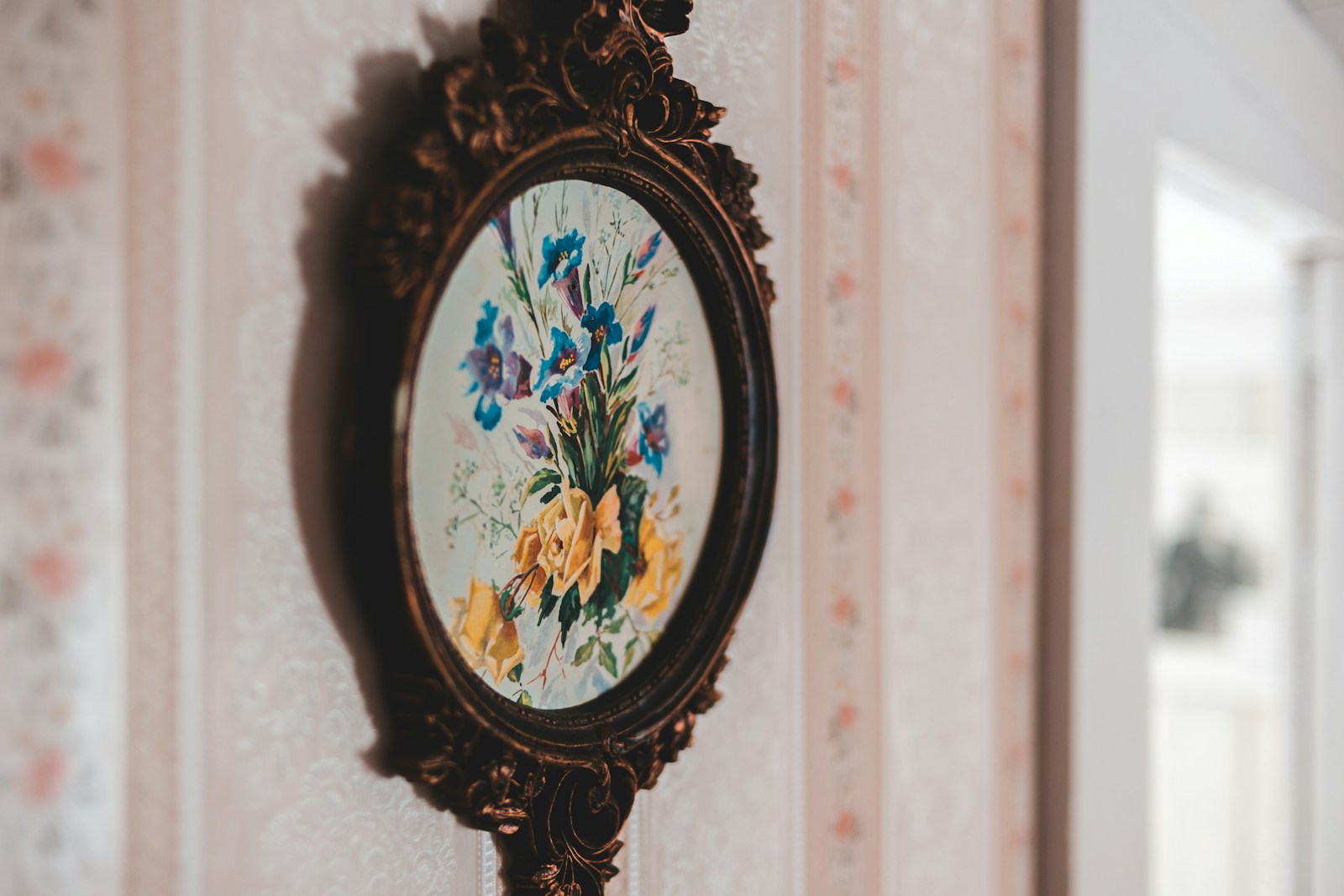
Overly busy floral patterns are one of the fastest ways to make your living room feel stuck in another decade. Designers point out that when every surface is covered in blossoms, from upholstery to rugs and throw pillows, the eye has nowhere to rest and the room starts to feel fussy instead of cozy. In roundups of outdated decor choices, heavy florals show up again and again as a culprit behind that “cheap and tired” vibe.
If you love botanicals, you do not have to ditch them completely, you just need to scale back. Swap a floral sofa for a solid one and keep the pattern on a single accent chair or a couple of cushions. Pair those with modern solids, stripes, or small-scale geometrics so the room feels layered instead of loud. The payoff is a fresher backdrop that lets your furniture lines and natural light stand out, which instantly makes the whole home feel younger.
2. Dark, Heavy Drapery
Dark, heavy drapery can age a room in seconds, even if everything else is fairly modern. Thick, floor-length curtains in deep burgundy or forest green block natural light and create a gloomy, formal mood that designers now associate with dated interiors. When window treatments dominate the walls, they compete with your furniture and art, which is exactly the kind of visual clutter experts flag as making a living room look “cheap and tired.”
Light control still matters, but you can get it without the weight. Swapping those heavy panels for linen or cotton in a lighter shade immediately brightens the space and shows off your window trim. Designers also warn that fussy treatments like swags and tassels feel old-fashioned in the same way Vertical blinds do, so simplifying the silhouette is key. The more daylight you let in, the more open, current, and expensive your home tends to look.
3. Wall-to-Wall Carpeting
Wall-to-wall carpeting, especially in synthetic, uniform textures, can make your living room feel like an office from the 1990s. Designers note that this kind of flooring wears unevenly, traps stains, and quickly looks tired, which drags down everything sitting on top of it. In lists of common dated mistakes, old carpet is often one of the first fixes suggested because it covers such a huge visual area.
If ripping it out is not in the budget yet, you still have options. A large, flat-weave area rug layered over the carpet can break up that sea of beige and introduce pattern and color in a more intentional way. When you are ready to upgrade, designers consistently recommend wood or wood-look floors with rugs on top, which is exactly the kind of change homeowners discuss when trading tips on What inexpensive updates make an older home feel fresher. Cleaner flooring lines instantly modernize the whole space.
4. Brass Hardware and Fixtures
Brass hardware and fixtures can be beautiful, but the wrong kind instantly dates a room. Designers call out shiny, cheap-looking brass from the 1980s as a major offender, especially on cabinet knobs, pulls, and doorknobs. One breakdown of common decor mistakes notes that Inexpensive brass hardware is a small detail that has an outsized impact on how old your home feels.
Instead of polished yellow tones, look for brushed brass, black, or nickel finishes with cleaner lines. Swapping out a handful of dated knobs and a couple of light fixtures is usually a quick DIY project, but it signals that the home has been updated and cared for. When hardware looks current, it helps balance out older architectural features so they read as charming rather than simply old, which is a big win if you are trying to boost resale value or just enjoy your space more.
5. Mismatched Furniture Sets
Mismatched furniture sets can go wrong fast when there is no shared language between pieces. Designers warn that combining too many unrelated wood tones, arm styles, and fabrics makes a living room feel cluttered and older than it is. In coverage of Matching Furniture Sets and similar trends, experts stress that both overly coordinated suites and totally random mixes can read as “cheap and tired” when there is no intentional balance.
You do not need a showroom-perfect set, but you do need a plan. Start by choosing one dominant wood tone and one main upholstery color, then let everything else support those choices. Repeating a finish on at least two pieces, like a coffee table and side table, helps the room feel cohesive instead of chaotic. When the mix looks curated rather than accidental, your living room feels more current, and it is easier to layer in new pieces over time without starting from scratch.
6. Ornate Picture Frames
Ornate picture frames, especially heavy gilded ones, can make even modern art feel like it belongs in a museum lobby. Designers say these frames add unnecessary formality and visual weight, which is the opposite of the relaxed, layered look that feels fresh right now. In lists of 15 outdated home decor trends, Heavy frames are singled out as details that quietly age a room.
Switching to slimmer black, white, or wood frames instantly lightens your walls and lets the artwork or photos be the focus. You can still mix in one or two ornate pieces for character, but treat them as accents, not the default. This small shift matters because walls are such a big part of your visual field, especially in a living room. Cleaner frames help your space feel more like a modern gallery and less like a formal parlor, which makes everything from your sofa to your lighting read as more up to date.
7. Builder-Grade Light Fixtures
Builder-grade light fixtures are another subtle detail that quietly dates your home. Those basic flush mounts and generic chandeliers are designed to be inexpensive and inoffensive, not stylish, so they rarely keep up with changing tastes. In videos that walk through 10 HOME DECOR Mistakes, standard overhead lighting shows up as a repeat offender that makes rooms feel flat and older than they are.
Upgrading even one main fixture in your living room can completely change the mood. Look for pieces with cleaner lines, interesting shades, or mixed materials that echo other finishes in the room. Adding a couple of table or floor lamps with warm bulbs also helps, since layered lighting feels more intentional and high-end. Because fixtures are so visible, especially in real estate photos, this is one of those relatively small investments that can pay off in both daily enjoyment and perceived home value.
8. Excess Ornamental Accessories
Excess ornamental accessories, from endless figurines to crowded shelves of collectibles, can make your home feel more like a storage unit than a styled space. Designers repeatedly warn that “too many” small items create visual noise and make a living room look neglected instead of curated, a point echoed in guides to decor choices that date a room. When every surface is packed, it is hard to appreciate any single piece, and dust becomes part of the look.
Editing is your friend here. Keep your favorite items and group them in small, intentional clusters, then leave some breathing room on coffee tables and consoles. You can even rotate collections seasonally so everything gets its moment without overwhelming the room. The result is a space that feels calmer, cleaner, and more modern, while still reflecting your personality. Cutting back on clutter also makes cleaning easier, which helps your home stay looking fresh instead of slowly sliding back into that older, tired feeling.
Leave a Reply