Celebrity home stagers are paid to make rooms feel instantly welcoming, and their best tricks work on a five‑minute clock. Instead of full makeovers, they rely on small, targeted moves that change how a space looks, smells, and feels the moment you step through the door. With a few strategic tweaks, you can borrow the same playbook and warm up your own rooms just as fast.
Start with color that calms, not shouts
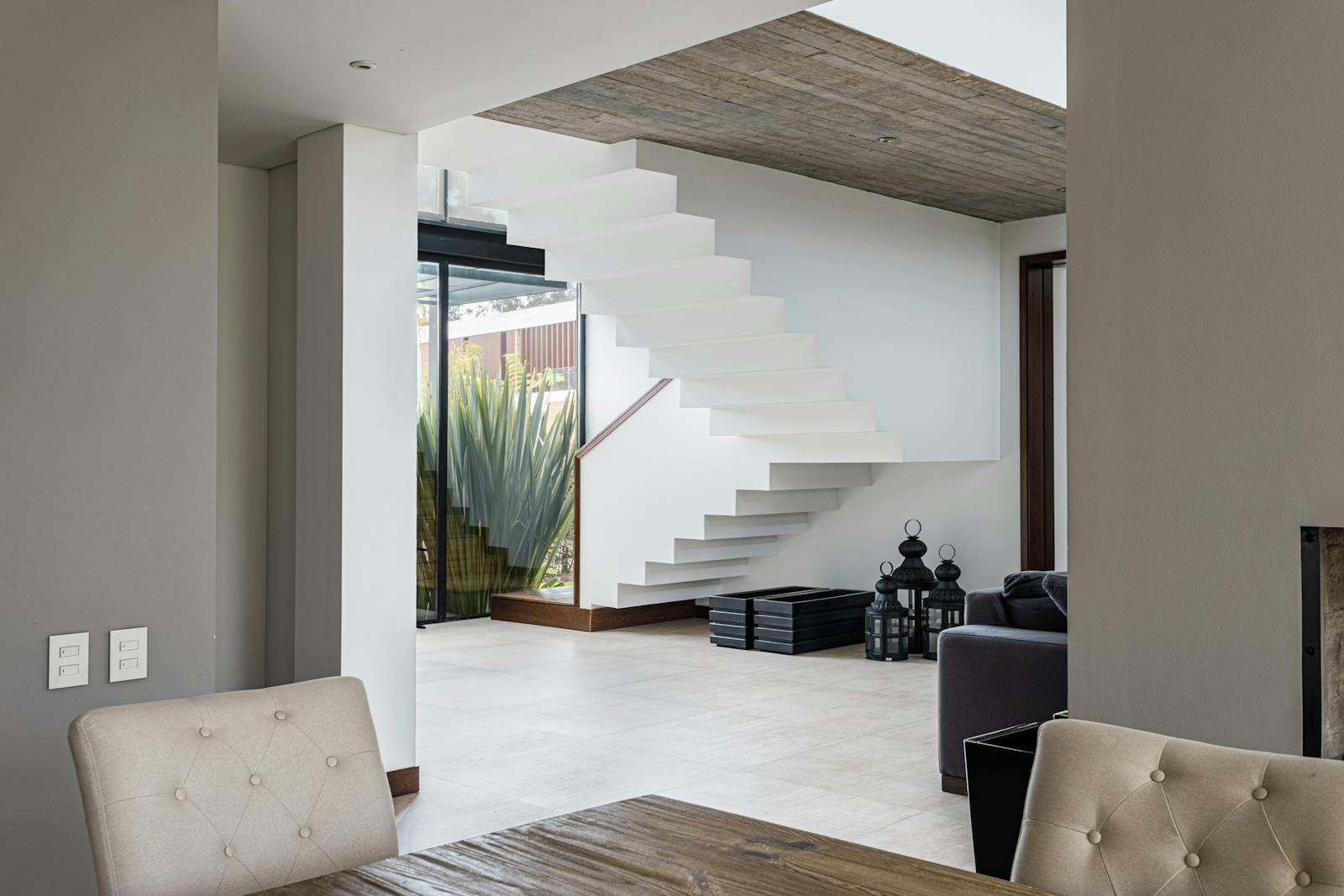
When you have only a few minutes, the fastest way to soften a room is to adjust what the eye sees first, and that usually means color. Stagers lean on earthy, neutral tones because they flatter almost every style and instantly quiet visual noise, whether you are working with a modern condo or a traditional bungalow. Even if you cannot repaint, swapping a bright throw for a sand‑colored one or layering beige and taupe cushions over a dark sofa can echo the kind of grounded palette that guides explain when they walk through how to add warmth to your interior.
Those same pros know that you do not need a full spectrum of shades to get results, you just need to choose one or two neutrals and repeat them. When you choose a single warm base, such as camel or oatmeal, and then echo it in a blanket, a lampshade, and a ceramic vase, the room suddenly feels intentional instead of thrown together. That is why so many stylists tell you to choose earthy, neutral tones first, then layer in accents, letting the way you choose and repeat those neutrals do most of the heavy lifting in minutes.
Layer texture where the camera (and buyers) look first
On design shoots and real estate listings, the shots that sell a space are almost always the sofa, the bed, and the dining table, so stagers focus their five‑minute efforts there. Texture is their shortcut, because a single soft throw or nubby cushion can make a room look warmer even through a phone screen. Guides that list practical tips to create a warm and cosy home put “Add Texture” at the top for a reason, and you can copy that by tossing a chunky knit over the arm of a chair or folding a quilt at the foot of the bed before a showing.
Flooring is another high‑impact target, especially if you are dealing with cold tile or bare wood that photographs flat. When stylists opt for a soft rug, even a small one, it visually anchors the seating area and signals comfort to anyone walking in. You can follow the same “Opt For” approach in your own space by sliding a low‑pile rug under a coffee table or layering a faux‑sheepskin beside the bed, moves that echo the Add Texture and Opt For guidance without requiring a full redesign.
Engage the senses with scent, sound, and softness
Celebrity stagers rarely rely on looks alone, because buyers and guests decide how they feel about a home with all their senses. In colder months, they lean into soft textiles and gentle background noise to counteract the chill, using throws, pillows, and even fabric‑covered headboards to absorb echo and make rooms feel cocooned. Professional staging checklists spell this out when they urge you to add warmth with soft textiles and to appeal to the senses with subtle scents and sounds, a combination that turns a bare room into a lived‑in and welcoming space in a matter of minutes.
Scent is especially powerful, which is why you will almost never encounter harsh cleaners or overpowering perfumes at a professionally staged open house. Instead, stagers reach for one or two soft, crowd‑pleasing notes, often delivered through candles or diffusers, to create a consistent mood from room to room. The same logic shows up in quick‑start guides that tell you to get scented candles or an essential oil diffuser you genuinely like so your new place feels familiar, advice that mirrors the way pros help you feel at home in your new house with almost no visual changes at all.
Use light and cleanliness to reset a room in minutes
Lighting is one of the fastest tools in a stager’s kit, because it can change the mood of a room without moving a single piece of furniture. In practice, that means turning off harsh overheads and switching on table and floor lamps that cast a softer, lower glow across seating and entry areas. When you combine that with a quick tidy of visible surfaces, you get the same effect that summer staging guides describe when they urge you to keep it fresh and clean so heat and bright sun do not amplify every flaw, a principle that applies even when you are not dealing with heat amplifying odors.
Cleanliness is not just about hygiene, it is about visual calm, which is why stagers will spend their last five minutes before a showing clearing counters, straightening books, and folding throws. Removing a handful of items from a coffee table or kitchen island can make the remaining pieces feel more intentional, especially when they echo the neutral palette and textures you have already chosen. When you pair that with a quick pass to avoid strong smells and instead let a subtle, pleasant scent carry through the space, you are effectively following the same “Keep It Fresh and Clean Heat” and “Avoid” guidance that professionals rely on to reset a room between back‑to‑back viewings.
Stage for real life: quick rituals you can repeat
The most effective celebrity staging tricks are not one‑off stunts, they are repeatable rituals you can run through before guests arrive or before you snap listing photos. In practice, that might look like a five‑step loop: fluff the sofa cushions, throw a textured blanket over the arm, switch on two lamps, light a candle, and clear the coffee table to three items. Many of the quick tips that help you feel at home in a new space, such as getting a scent you love or arranging a few personal objects where you will see them first, translate directly into this kind of repeatable checklist.
Once you have a rhythm, you can adapt it to the season without adding time. In winter, you might lean harder on throws, soft textiles, and the kind of sensory staging that uses gentle background music and warm scents to appeal to the senses, echoing the way pros talk about staging as a full experience rather than a visual trick. In summer, you can pivot to lighter fabrics, open windows, and the “Keep It Fresh and Clean Heat” mindset that prioritizes airflow and subtle fragrance, while still relying on the same core moves of Add Texture, Opt For a soft rug, and Choose neutral tones that calm the eye. The more you treat these as small, consistent habits instead of big projects, the more your home will feel like a Warm and Cosy Home every time you walk through the door.
Leave a Reply