Broken toys and sets with missing pieces quietly pile up, but you do not have to keep every last one. One parent reported, “I’ve been throwing out my kids’ broken and forgotten toys while they’re at school for years. They don’t notice,” capturing how clutter can disappear without drama. Using that insight, you can confidently let go of damaged or incomplete toys that no longer function, freeing space for the things your kids actually play with.
1) Incomplete Puzzle
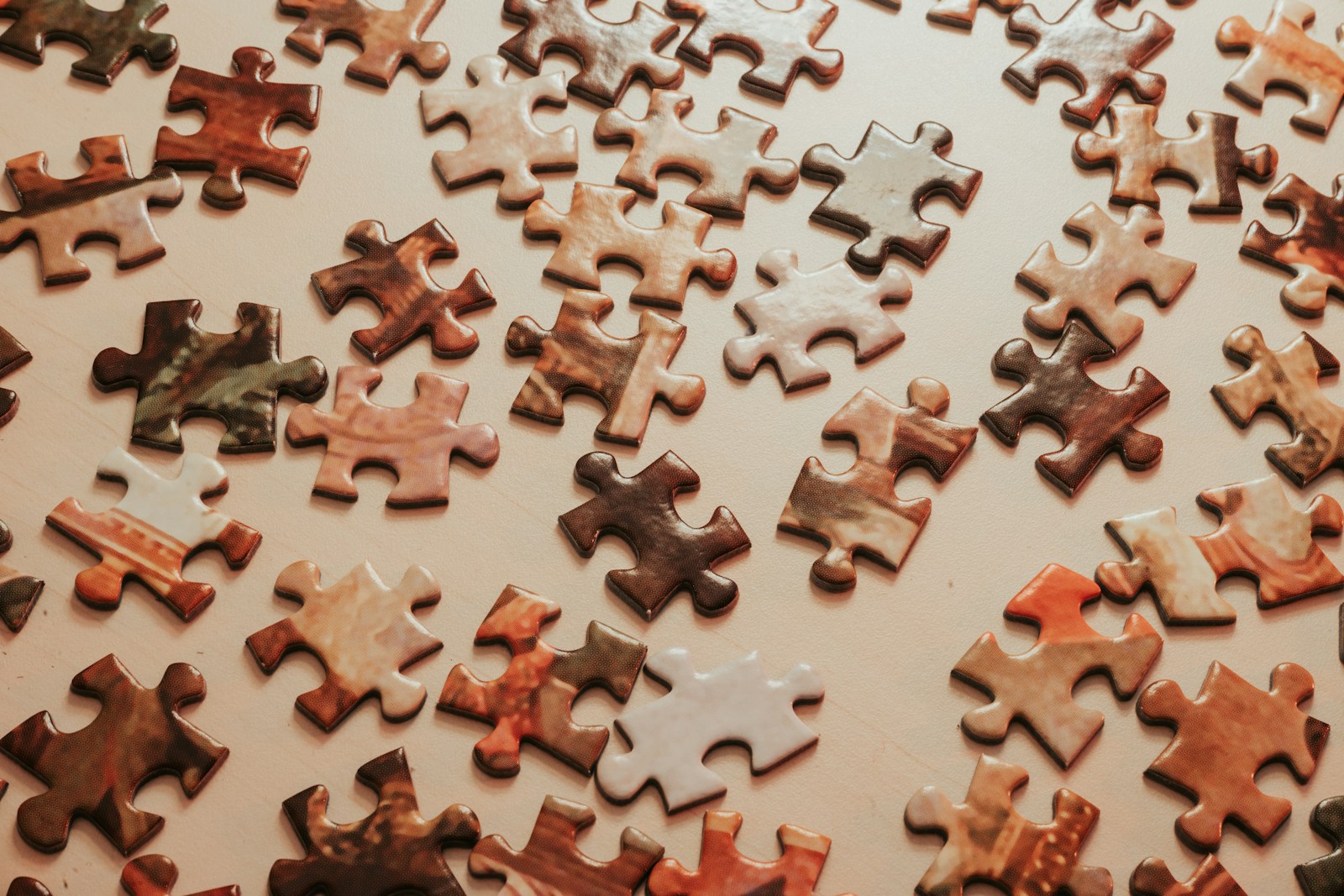
An incomplete puzzle is a classic example of a toy you do not need to keep. When a parent says, “I’ve been throwing out my kids’ broken and forgotten toys while they’re at school for years. They don’t notice,” it shows that neglected items like puzzles with missing pieces can quietly leave the house without a reaction. If a favorite image is truly important, you can Start by assembling the surrounding pieces and repairing a gap, but that level of effort is rarely necessary for everyday kids’ puzzles.
For most families, the real stake is how much space half-finished puzzles occupy on shelves and in bins. When a child has already moved on to other activities, keeping a box that can never be fully completed only adds frustration. Letting go of incomplete puzzles, especially while kids are at school and not focused on them, can reduce clutter and make it easier for children to find toys that still work and feel satisfying to use.
2) Board Game with Lost Pieces
A board game with lost pieces often turns into a source of arguments rather than fun. The same parent who has been throwing out broken and forgotten toys while kids are at school, without them noticing for years, highlights how incomplete games usually are not missed. When a game cannot be played by the rules because key cards, tokens, or dice are gone, it stops functioning as intended and becomes dead weight in the cupboard.
From a practical standpoint, you could try to improvise replacement pieces, but that often leads to confusion and more clutter. If your children have not asked for the game in months, the odds are high that it has already faded from their rotation. Removing it while they are at school protects your limited storage space and keeps family game time focused on sets that are complete, playable, and genuinely enjoyed.
3) Lego Set Missing Bricks
A Lego set missing bricks can be handled in two very different ways, and both support decluttering. On one hand, the same long-term experience of quietly discarding broken toys while kids are at school shows that partial sets often go unnoticed once they are no longer being used. On the other, if a specific model still matters, you can submit a Request for replacement parts so the build becomes complete again instead of lingering in a half-finished state.
Either path underscores that you do not have to keep a box of random plastic just because it once belonged to a set. If your child has moved on from that particular build, the missing pieces mean it is no longer serving its original purpose. Clearing out incomplete sets, or restoring only the ones that still spark excitement, helps you prioritize functional toys and reduces the frustration of digging through bins of unusable bricks.
4) Doll with Broken Limb
A doll with a broken limb is another item that often lingers out of guilt rather than genuine attachment. The same pattern of parents quietly removing damaged toys while kids are at school, with children failing to notice for years, suggests that a doll that can no longer be posed or dressed properly is unlikely to be missed. Once a limb snaps, the toy stops working as designed and may even frustrate a child who tries to play with it.
There are exceptions, such as a deeply sentimental doll, but those are usually obvious because a child continues to seek them out. For the rest, a broken body or dangling arm is a clear sign that the toy has reached the end of its useful life. Letting it go protects your child from the disappointment of a toy that never behaves correctly and makes room for dolls that still invite imaginative play.
5) Action Figure sans Accessories
An action figure without its accessories can quickly lose its appeal, especially if the missing pieces include key items like helmets, weapons, or backpacks. Parents who have spent years decluttering by removing broken and forgotten toys during school hours, with kids not noticing, show that incomplete figures are rarely central to a child’s play once those accessories vanish. The character may no longer match the stories your child wants to tell.
From a clutter perspective, tiny accessories are some of the hardest items to store and track. When they disappear, the remaining figure often ends up at the bottom of a bin, ignored. Choosing to discard accessory-free figures that have not been touched in a long time helps streamline toy collections and reduces the number of small, easily lost parts scattered across your home, which benefits both parents and children.
6) Toy Car with Cracked Wheel
A toy car with a cracked wheel is a straightforward candidate for the trash or recycling. Parents who have Use broken and incomplete sets to create treasure trays or tinker trays show one creative option, but the original function of a car is to roll, and a damaged wheel prevents that. When such toys are removed while kids are at school, long-term experience indicates that children often do not notice their absence.
Beyond clutter, there is a safety angle. Sharp plastic edges from cracked wheels can scratch floors or small hands. If the car no longer moves smoothly and your child has stopped reaching for it, keeping it around serves little purpose. Letting go of these damaged vehicles, or repurposing them only if you are actively using them in a craft or sensory setup, keeps your toy collection safer and more functional.
7) Building Block Set Short Some Pieces
A building block set that is short some pieces can be frustrating for both you and your child. The insight from years of tossing forgotten broken toys while kids are at school, with no reaction, suggests that incomplete block sets are rarely central to daily play. When key connector pieces or specialty shapes are missing, the set may no longer support the structures it was designed to create.
Instead of letting a half-complete set dominate shelf space, you can either combine the remaining blocks into a general bin or decide that they have served their purpose and move them out. The key is whether your child still builds with them regularly. If not, the missing pieces are a sign that the set has reached the end of its useful life, and clearing it out can make room for open-ended materials that still work as intended.
8) Card Game with Missing Cards
A card game with missing cards quickly becomes unplayable, especially when the lost pieces are essential to the rules. Reports of parents discarding broken and forgotten toys like incomplete decks while kids are at school, without the children noticing over years, show how little attachment there often is to these damaged sets. Once a game cannot be played correctly, it tends to sit untouched at the back of a drawer.
Trying to substitute homemade cards or mix in pieces from other decks can create confusion and arguments about fairness. If your child has not asked for the game recently, the missing cards are a clear signal that it is safe to let it go. Removing unusable decks keeps your game shelf focused on complete, ready-to-play options that support smoother family time and less clutter.
9) Remote-Control Car with Faulty Remote
A remote-control car with a faulty remote is essentially a shell, and that makes it a strong candidate for decluttering. Reports confirm that kids often do not notice when broken remote toys are thrown out during school for extended periods, which suggests that once the remote stops working, the toy quickly loses its appeal. Without the ability to steer or accelerate, the car no longer delivers the interactive experience that made it exciting.
Repairing or replacing the remote can be costly or impractical, especially for older models. If your child has stopped asking to race the car or test its tricks, the broken set is likely just taking up floor or closet space. Letting it go, rather than storing a nonfunctional gadget, keeps your home environment focused on toys that still operate as designed and actually get used.
10) Torn Stuffed Animal
A torn stuffed animal can be emotionally complicated, but the same parent who said, “Before you go out and buy a whole new Lego set because you have missing or broken pieces, try this hack instead,” also described quietly discarding damaged plush toys while kids are at school, with no reaction. That experience suggests that many stuffed animals are not deeply cherished, especially when seams split or stuffing leaks out.
Of course, a true comfort object should be handled differently, perhaps repaired rather than removed. Yet most plush toys are part of an ever-growing pile, and a torn body can harbor loose stuffing or small parts that are not ideal for younger children. Sorting out the clearly damaged, ignored animals and letting them go helps you manage overflowing baskets and keeps the remaining soft toys cleaner, safer, and easier for kids to find.
11) Train Set Lacking Track Sections
A train set lacking track sections often cannot form a complete loop, which undermines the basic play pattern. Parents who have spent years removing forgotten broken toys such as partial train setups while kids are at school, without the children noticing, show that incomplete systems like this are rarely missed. When key curves or junctions disappear, the trains may derail or stop, leading to frustration instead of imaginative play.
Rather than storing a box of mismatched tracks and cars, you can evaluate whether your child still builds with the set. If the missing pieces prevent meaningful layouts and your child has moved on, it is reasonable to let it go. Clearing out these partial systems frees up space for toys that work reliably, which can make playtime smoother and reduce the visual clutter of unused, awkwardly incomplete sets.
12) Play Kitchen Appliance with Snapped Part
A play kitchen appliance with a snapped part, such as a broken door or handle, quickly stops functioning as intended. The key insight from years of Just quietly throwing out kids’ broken toys while they are at school is that faulty play items are often not missed over long periods. When a toy oven door will not close or a mixer arm no longer turns, children tend to ignore it and focus on props that still work.
Keeping these damaged pieces in the play kitchen area can crowd out functional dishes, utensils, and food sets. If your child has stopped interacting with the broken appliance, its snapped parts are a clear signal that it is safe to remove. Doing so helps maintain a more realistic, engaging pretend kitchen, where every item can be opened, closed, and used in the stories your child creates.
Leave a Reply