Your mudroom should work hard, not just collect clutter. By stripping out items you do not actually need, you free up space for smarter storage, cleaner lines, and easier daily routines. These 12 things are prime candidates to edit, based on expert-backed organizing, design, and home-care guidance.
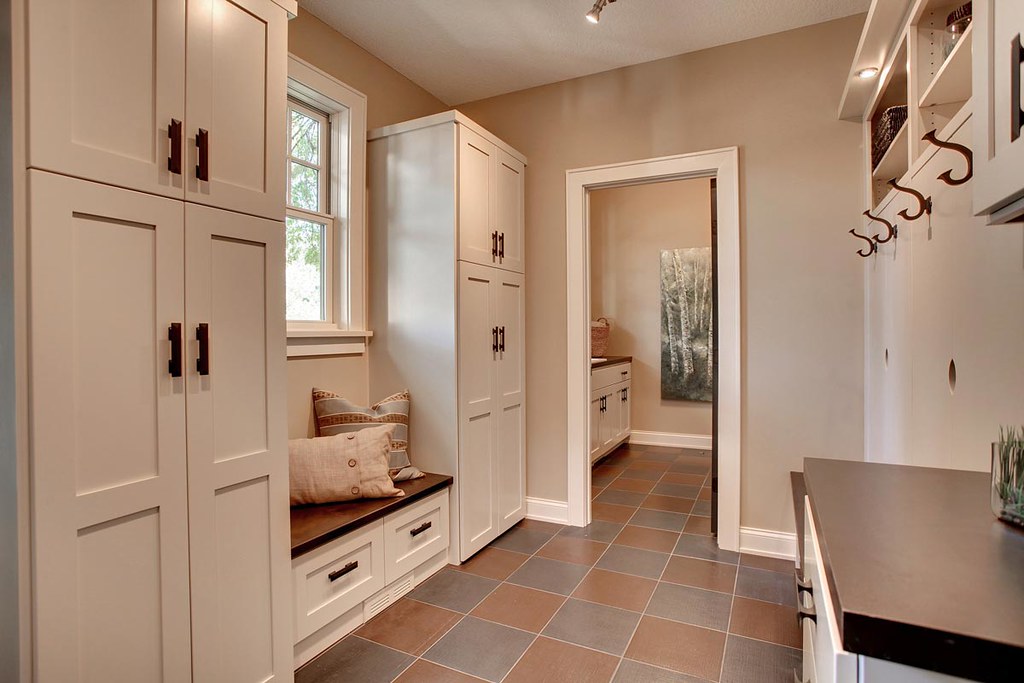
1) Bulky Traditional Mudroom Storage
Bulky traditional mudroom storage, like deep floor-to-ceiling lockers and oversized cabinets, often eats up square footage without adding real flexibility. Contemporary entry spaces increasingly rely on slimmer benches, open cubbies, and wall hooks that keep gear visible and accessible. Ideas such as compact cubbies, narrow benches with drawers, and wall-mounted organizers in modern mudroom ideas show you can get generous capacity without heavy built-ins. When you cling to bulky units, you limit how the room can evolve as your household changes.
Replacing those hulking cabinets with modular pieces lets you adapt for strollers, sports bags, or pet supplies over time. It also improves traffic flow, which matters in tight entry corridors where every inch counts. For homeowners, the stakes are both practical and financial, since streamlined storage can make the space feel larger and more appealing to future buyers.
2) Ornate Mudroom Decor Elements
Ornate mudroom decor elements, such as intricate moldings, heavy chandeliers, and fussy wall treatments, rarely hold up to the grit of daily comings and goings. Design guidance on mudroom storage and decorating ideas consistently favors simple finishes, durable surfaces, and clean-lined hardware that can handle wet boots and backpacks. Overly decorative pieces not only date quickly, they also demand more cleaning and maintenance in a room that already sees a lot of dirt.
By editing out ornate decor, you make room for hardworking details like washable paint, sturdy hooks, and baskets that hide clutter. A restrained palette and a few well-chosen accents, such as a single art print or a patterned runner, can still deliver personality without overwhelming the space. For busy households, this shift from ornate to practical decor means less time fussing with fragile items and more time enjoying a mudroom that actually functions.
3) Valuable Documents in Mudroom Cabinets
Valuable documents in mudroom cabinets are a quiet risk you might not notice until something goes wrong. Entry spaces often share the same vulnerabilities as basements, including humidity, temperature swings, and occasional leaks from nearby doors or utility lines. Guidance on things you should never store in the basement warns that important papers are especially vulnerable to damp conditions, which can warp, stain, or mold paper-based records.
If you tuck passports, birth certificates, or insurance files into a mudroom drawer for convenience, you expose them to the same moisture risks that threaten documents stored below grade. A safer approach is to keep these items in a dry interior closet or a fireproof safe away from exterior doors. For homeowners, the stakes are high, because replacing official records can be time-consuming, expensive, and in some cases impossible.
4) Old Cleaning Supplies
Old cleaning supplies often migrate to the mudroom, especially when it doubles as a laundry or utility zone, but expired or nearly empty products only add clutter. Advice on things to toss from your laundry room urges you to clear out outdated detergents, stain removers, and specialty sprays that no longer work effectively. Those same principles apply to the bottles and jugs that accumulate on mudroom shelves, where temperature swings can further degrade their formulas.
Keeping old cleaners around also increases the chance of leaks, sticky residue, and confusing duplicates that make it harder to find what you actually use. By purging expired products and consolidating to a few reliable basics, you reduce chemical exposure in a high-traffic family zone. That decluttering step improves safety for children and pets while freeing up storage for items you truly need near the door.
5) Non-Essential Home Gadgets Beyond Designer Basics
Non-essential home gadgets beyond designer-approved basics tend to pile up in mudroom drawers and baskets, from novelty key finders to single-use organizers that never quite worked. Expert advice on home essentials for people over 30 emphasizes a focused list of must-haves, such as quality lighting, reliable storage, and durable textiles, rather than a sea of gimmicky accessories. When you treat the mudroom as a catchall for every new gadget, you dilute its core purpose as a streamlined landing zone.
Editing down to a few essential tools, like a sturdy umbrella stand, a compact charging tray, and a solid shoe tray, keeps the space calm and intuitive to use. It also reflects a broader design trend toward intentional living, where each item earns its place. For you, that means less rummaging through clutter and a more polished first impression every time you walk through the door.
6) Region-Specific Mudroom Overpreparations
Region-specific mudroom overpreparations, such as racks of ice cleats and snowshoes in a warm climate, waste valuable space. Commentary on things you’ll only understand if you live in New Hampshire highlights how local weather shapes daily gear, from heavy-duty boots to snow brushes. If you do not face those conditions, mirroring that level of preparedness in your own mudroom simply clutters shelves with items you rarely touch.
Instead of copying storage setups designed for New England winters, tailor your mudroom to your actual environment. In a coastal area, that might mean hooks for beach bags and a sand-friendly mat, while in a dry region you may prioritize dust-resistant bins. Aligning storage with your real climate keeps the room efficient and prevents you from investing in gear that never justifies the space it occupies.
7) Excess Mudroom Shelving Units
Excess mudroom shelving units, especially freestanding bookcase-style pieces, can make a small entry feel cramped and chaotic. Many contemporary storage plans, including compact benches and cubbies in traditional mudroom lockers, show how vertical space can be used efficiently without lining every wall with shelves. When you add more units than you truly need, they quickly become magnets for random drop-off items instead of intentional storage.
Paring back to a few built-in or wall-mounted shelves encourages you to define clear zones for shoes, bags, and seasonal accessories. It also improves sightlines from the front door, which can make the entire entry feel larger and more welcoming. For households trying to stay organized, limiting shelving is a counterintuitive but effective way to keep clutter from multiplying.
8) Fussy Mudroom Flooring Choices
Fussy mudroom flooring choices, such as high-polish stone or light-colored carpeting, rarely survive the abuse of wet boots and pet paws. Practical design advice in entryway storage solutions favors durable surfaces that are easy to mop and resistant to stains. When you opt for delicate materials, you commit yourself to constant cleaning and still risk permanent damage from salt, mud, and grit.
Swapping fussy floors for resilient tile, sealed concrete, or waterproof vinyl makes the mudroom more forgiving and family-friendly. You can still layer in style with washable rugs or runners that can be tossed in the laundry. For homeowners, this shift protects your investment in flooring and reduces long-term maintenance costs, while keeping the space aligned with its hardworking purpose.
9) Electronics in Mudroom Drawers
Electronics in mudroom drawers, from old tablets to backup routers, face many of the same hazards as devices stored in basements. Guidance on things you should never store in your basement lists electronics alongside Cleaning, Important, Clothing and, Cardboard, Electronics, Lawnmowers and other vulnerable items that can be damaged by damp air and temperature swings. Mudrooms, which sit near exterior doors and sometimes share walls with garages, often experience similar fluctuations.
Stashing gadgets near the door might feel convenient, but condensation, tracked-in moisture, and dust can shorten their lifespan or cause malfunctions. A better strategy is to keep active devices in a climate-controlled interior room and use the mudroom only for short-term charging of phones or earbuds. That small change protects your tech investment and reduces the risk of electrical issues in a high-traffic zone.
10) Expired Laundry Detergents
Expired laundry detergents and fabric treatments often end up in mudrooms that double as laundry spaces, but they do little besides take up shelf space. Advice on what not to store in damp areas notes that products like Just and Paper-based goods are vulnerable to moisture, and cleaning agents can also degrade when stored in fluctuating conditions. Over time, detergents can separate, lose effectiveness, or even thicken into unusable sludge.
Keeping these expired products around makes it harder to see what you actually have and may tempt you to use formulas that no longer clean properly. Regularly checking dates and discarding old bottles keeps your laundry routine efficient and your storage streamlined. For families, this habit also reduces the chance that children will handle unstable or leaking containers.
11) Unnecessary Luxury Mudroom Features
Unnecessary luxury mudroom features, such as built-in wine fridges or elaborate display shelving, rarely justify their footprint in a space meant for function. Expert lists of things you should never store in the basement focus on safety and practicality, and that same mindset applies to what you add to your entry. When you prioritize showy extras over sturdy hooks, seating, and storage, daily routines like getting kids out the door become more complicated.
Focusing on durable benches, ample cubbies, and good lighting delivers more value than niche luxuries that impress guests but do little for everyday life. It also keeps renovation budgets in check, reserving splurges for rooms where you spend more time. For homeowners, resisting unnecessary upgrades in the mudroom means a better balance between aesthetics, utility, and long-term resale appeal.
12) Heavy-Duty Mudroom Gear for Non-Regional Climates
Heavy-duty mudroom gear for non-regional climates, such as industrial snow shovels or multiple pairs of insulated boots in a mild area, clogs up valuable storage. Lists of things you should never store in the basement mention Old, Books, Toys, Wooden, Rugs and other items that do not match the environment, underscoring how mismatched storage leads to damage and wasted space. The same logic applies when your mudroom holds gear that does not fit your actual weather patterns.
Keeping only one or two truly necessary pieces of heavy-duty equipment, and relocating rarely used items to a garage or shed, keeps the entry lean and responsive to daily needs. This climate-aware editing also makes seasonal transitions smoother, since you are not constantly working around gear you never use. For you, the payoff is a mudroom that reflects your real life instead of a hypothetical forecast.
Leave a Reply