Holiday decor should feel festive, not stressful or unsafe. Before you box everything up for storage, it is worth deciding which pieces have earned a permanent place and which should be retired. By clearing out worn, wasteful, or high-maintenance items now, you give yourself more space, a safer home, and a calmer start when next season rolls around.
1) Old Incandescent String Lights
Old incandescent string lights are one of the first decorations you should consider tossing before next season. Traditional strands are more prone to broken bulbs, frayed wiring, and overheating, which can turn a cozy display into a fire hazard. Guidance on retiring damaged lights emphasizes checking for cracked sockets, loose connections, and cords that feel brittle or warm when plugged in. If a strand has multiple dead sections or requires constant fiddling, it is no longer worth the risk or the frustration.
Replacing these strands with modern LED lights reduces energy use and cuts down on the number of spare bulbs and extension cords you need to store. LEDs stay cooler to the touch, which is especially important around dry trees, paper ornaments, and fabric garlands. For you, that means lower utility bills, fewer last-minute trips to buy replacements, and a safer environment for kids, pets, and overnight guests who may be sleeping near decorated windows or railings.
2) Cracked Glass Ornaments
Cracked glass ornaments might look salvageable from a distance, but up close they are a safety issue waiting to happen. Once a delicate bauble has chipped or split, the remaining glass can splinter with the slightest pressure, especially when you are packing or unpacking boxes. Tiny shards can end up in carpet, upholstery, or tree skirts, where they are hard to see and easy to step on. If an ornament has sharp edges, missing pieces, or rattling fragments inside, it belongs in the trash, not back on a branch.
Letting go of damaged pieces also protects the ornaments you truly care about. A broken sphere can scratch neighboring decorations in storage or snag on ribbon and tinsel. Instead of clinging to every cracked heirloom, consider photographing sentimental pieces before discarding them, then investing in shatter-resistant alternatives made from acrylic or metal. That way, you preserve the memory while reducing the risk of cuts for children helping decorate and for anyone handling the boxes next year.
3) Worn Artificial Garlands
Worn artificial garlands lose their appeal once the needles are flattened, the color has faded, or the wire spine starts poking through. Over time, these pieces shed plastic “needles” that scatter across floors and can clog vacuum cleaners. If your garland looks sparse, feels sticky with old sap-scented sprays, or refuses to fluff back into shape, it is no longer doing your mantel or staircase any favors. Sections that are permanently kinked or twisted are especially hard to disguise, even with extra ribbon or ornaments.
Retiring tired garlands also helps you streamline storage. Bulky coils take up a surprising amount of space, particularly when you are trying to protect them from being crushed. By discarding the worst offenders, you free up room for a smaller number of high-quality pieces that actually look lush. You can then supplement with fresh greenery next year, which brings in natural fragrance and can be composted afterward, reducing long-term clutter and waste.
4) Single-Use Plastic Tableware
Single-use plastic tableware that only appears for holiday parties is another category worth rethinking. Disposable plates, cups, and cutlery create bags of trash after a single evening, and leftover packs often linger in cupboards for years. When you factor in themed designs that quickly feel dated, you end up storing items you do not really want to use again. If you have half-open sleeves of flimsy plastic pieces that crack easily or warp with hot food, it is reasonable to clear them out instead of hauling them into another season.
Shifting away from these items has broader implications for waste and storage. Reusable dishes, even simple white stoneware or basic glass tumblers, look more polished and can be used year-round. You can keep a small reserve of sturdier compostable options for large gatherings, rather than stacks of mismatched plastic. By tossing the old stock now, you make it easier to see what you actually have, plan more sustainable entertaining, and avoid the annual scramble through cluttered cabinets before guests arrive.
5) Faded Outdoor Inflatables
Faded outdoor inflatables lose their charm once colors bleach out and fabric starts to thin. Constant exposure to sun, wind, and moisture weakens the material, leading to slow leaks and sagging shapes that never fully stand upright. If you are constantly patching holes, re-securing guy lines, or restarting the blower to keep a character inflated, the decoration is no longer low-maintenance. A deflated figure on the lawn sends a tired message, and the blower motors can become noisy or unreliable as they age.
Retiring these pieces also reduces the amount of off-season storage you need. Large inflatables require big bins or dedicated shelves, and older models often come with bulky power supplies and tangled tie-downs. By letting go of worn versions, you can either skip inflatables altogether or invest in a single, high-quality design that still looks crisp. That shift lightens your visual footprint outside and cuts down on the time you spend troubleshooting decorations in cold weather when you would rather be indoors.
6) Damaged Artificial Trees
Damaged artificial trees are prime candidates for the discard pile once branches bend permanently, needles fall off in clumps, or the built-in lights fail. A tree that leans, wobbles, or has bare gaps is difficult to disguise, even with extra ornaments and ribbon. If you find yourself wrestling with a crooked trunk, missing branch tips, or sections that refuse to lock into place, the structure has likely reached the end of its useful life. Pre-lit models with entire dark sections can be especially frustrating to troubleshoot year after year.
Keeping a compromised tree also has safety implications. Loose wiring, exposed metal, or unstable stands increase the risk of tipping or electrical issues, particularly in homes with children or pets. By discarding a failing tree, you open the door to a smaller, better-proportioned replacement or even a fresh-cut option that can be recycled after the holidays. That decision reduces long-term storage demands and ensures your main focal point actually looks intentional instead of patched together.
7) Excessive “Just-in-Case” Gift Wrap
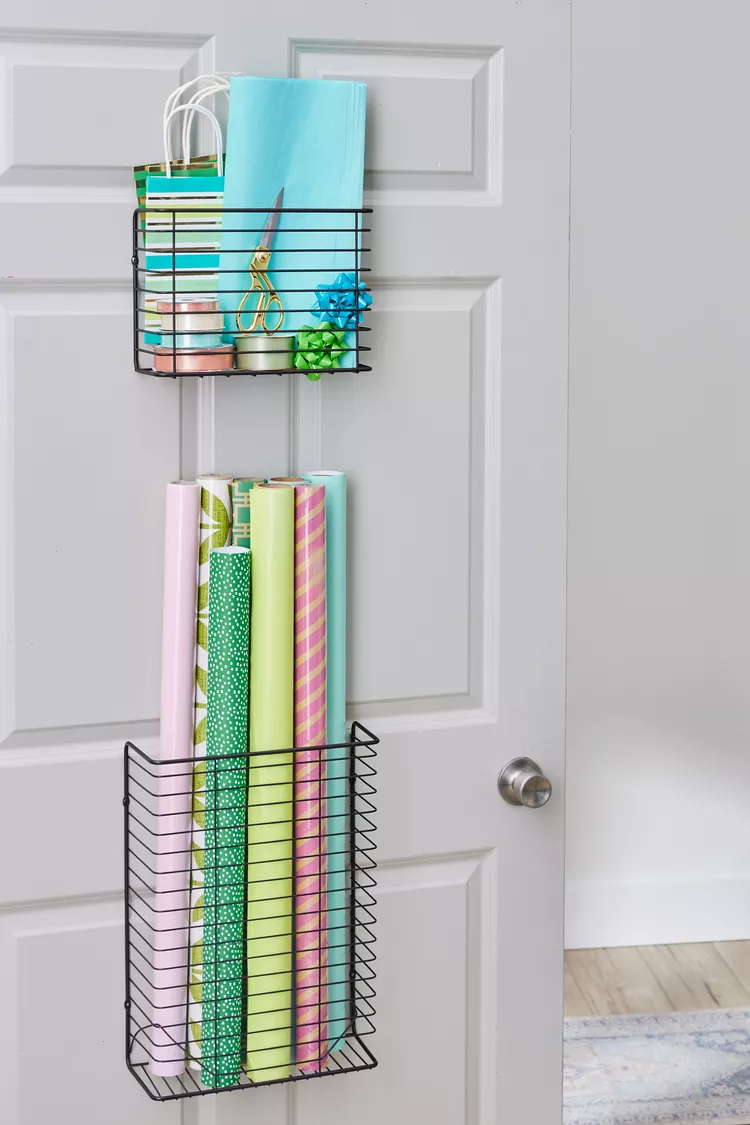
Excessive “just-in-case” gift wrap, especially rolls you dislike or never reach for, is another area where editing pays off. Over time, you may accumulate torn rolls, crushed tubes, and patterns that no longer fit your style. If you have paper that is too thin, creases easily, or features designs you avoid every year, it is effectively dead weight in your closet. Keeping only what you genuinely use, and recycling or discarding the rest, makes it easier to see your options and wrap gifts efficiently.
Professional organizers often warn against hoarding low-value items while neglecting the pieces that truly matter, a principle that applies to holiday supplies as well as everyday belongings. Guidance on what is worth saving highlights how clutter can hide the tools you actually need. By clearing out subpar wrap, you create space for quality boxes, sturdy tape, and neutral papers that work for multiple occasions, which ultimately saves time and reduces last-minute shopping stress.
8) Scented Candles Past Their Prime
Scented candles that have tunneled, lost their fragrance, or burned down to unstable levels should not be carried into another season. When wax is uneven, wicks can tip, creating sooty flames and overheated glass. Old candles may also collect dust and debris, which affects how cleanly they burn. If a candle no longer throws scent even when fully melted, or if the container feels too hot to touch, it is safer to retire it rather than risk cracks or spills on furniture and table linens.
Editing your candle collection has practical benefits for storage and safety. Fewer, better-performing candles mean less clutter in cupboards and a lower chance of forgotten open flames during busy gatherings. You can focus on a small set of reliable scents that complement your decor instead of a jumble of half-used jars. That approach supports a calmer atmosphere, reduces indoor air concerns from sooty wicks, and makes it easier to monitor every flame when the house is full of guests and distractions.
9) Broken Yard Stakes and Pathway Lights
Broken yard stakes and pathway lights often linger in garages long after they stop working. Cracked plastic housings, rusted metal spikes, and frayed cords can make these decorations difficult to secure and potentially hazardous. If a stake will not stay upright or a light flickers unpredictably, it is no longer serving its purpose of safely guiding guests to your door. Solar models with cloudy panels or dead batteries are similarly unlikely to recover their original brightness.
Removing these pieces before next season simplifies your outdoor setup and reduces tripping risks. Instead of wrestling with mismatched, unreliable stakes, you can plan a streamlined lighting scheme that uses fewer, sturdier fixtures. That might mean investing in a short run of high-quality path lights or focusing on a single well-lit entryway. The result is a cleaner look, less time spent troubleshooting in the cold, and a safer route for visitors arriving after dark or navigating icy walkways.
10) Overstuffed Ornament Storage
Overstuffed ornament storage, where fragile pieces are crammed into random boxes, is a sign that it is time to pare back. When ornaments are stacked without dividers, they are more likely to chip, tangle, or lose hooks, which leads to frustration and more breakage each year. If you dread opening certain bins because they are chaotic or overflowing, that is a clear cue that you own more than you can reasonably display. Keeping only what fits comfortably in protective containers helps preserve the items you truly value.
Minimalist decorators often recommend discarding anything that consistently stays in the box, a mindset echoed in advice on paring down seasonal decor. By letting go of duplicates, dated designs, and ornaments that no longer match your style, you reduce visual noise on the tree and physical clutter in storage. That shift makes decorating faster, gives special pieces room to shine, and lowers the risk of damage when you move boxes in and out of closets or attics.
11) Tattered Stockings and Tree Skirts
Tattered stockings and tree skirts can quietly drag down the look of an otherwise polished room. Frayed edges, thinning fabric, and stubborn stains are difficult to hide, especially in high-traffic areas where guests gather and take photos. If a stocking has holes, loose trim, or faded lettering, it may be time to retire it rather than patch it again. Tree skirts that no longer lie flat or have discolored patches from past spills also deserve scrutiny before you fold them away.
Refreshing these textiles has both aesthetic and practical benefits. New stockings and skirts are easier to clean, coordinate more seamlessly with your current color palette, and provide a tidy backdrop for gifts. Letting go of worn pieces also frees up drawer and bin space, making it simpler to store linens you actually use. For sentimental items, consider framing a small section of fabric or repurposing it into an ornament so the memory remains without the bulk of a damaged piece.
12) Unused Themed Collections
Unused themed collections, such as entire sets of figurines or novelty villages that never leave their boxes, are strong candidates for decluttering. If you consistently skip a collection because it feels too busy, takes hours to arrange, or no longer matches your taste, it is effectively occupying storage for no return. Large assortments of matching pieces can also dominate surfaces, leaving little room for practical items like lamps, serving trays, or everyday decor that needs to stay in place.
Letting go of these sets aligns with a broader shift toward more intentional decorating, where each item earns its space. By donating or selling complete collections, you give someone else the chance to enjoy them while reclaiming shelves and closets for things you truly use. Next season, you can focus on a few meaningful accents instead of feeling obligated to unpack every themed piece, which lightens your workload and keeps your home feeling calm rather than crowded.
More from Willow and Hearth:
Leave a Reply