You know that feeling when you’re rummaging through your grandma’s attic, and you stumble upon a dusty old plate? At first glance, it might look like just another piece of kitchenware, but hold on! Some of those seemingly ordinary plates can actually be worth a small fortune. It’s like finding treasure in your own home. So, let’s chat about six old plates that are far more valuable than they appear. You might just have a hidden gem tucked away!
1. Blue Willow China
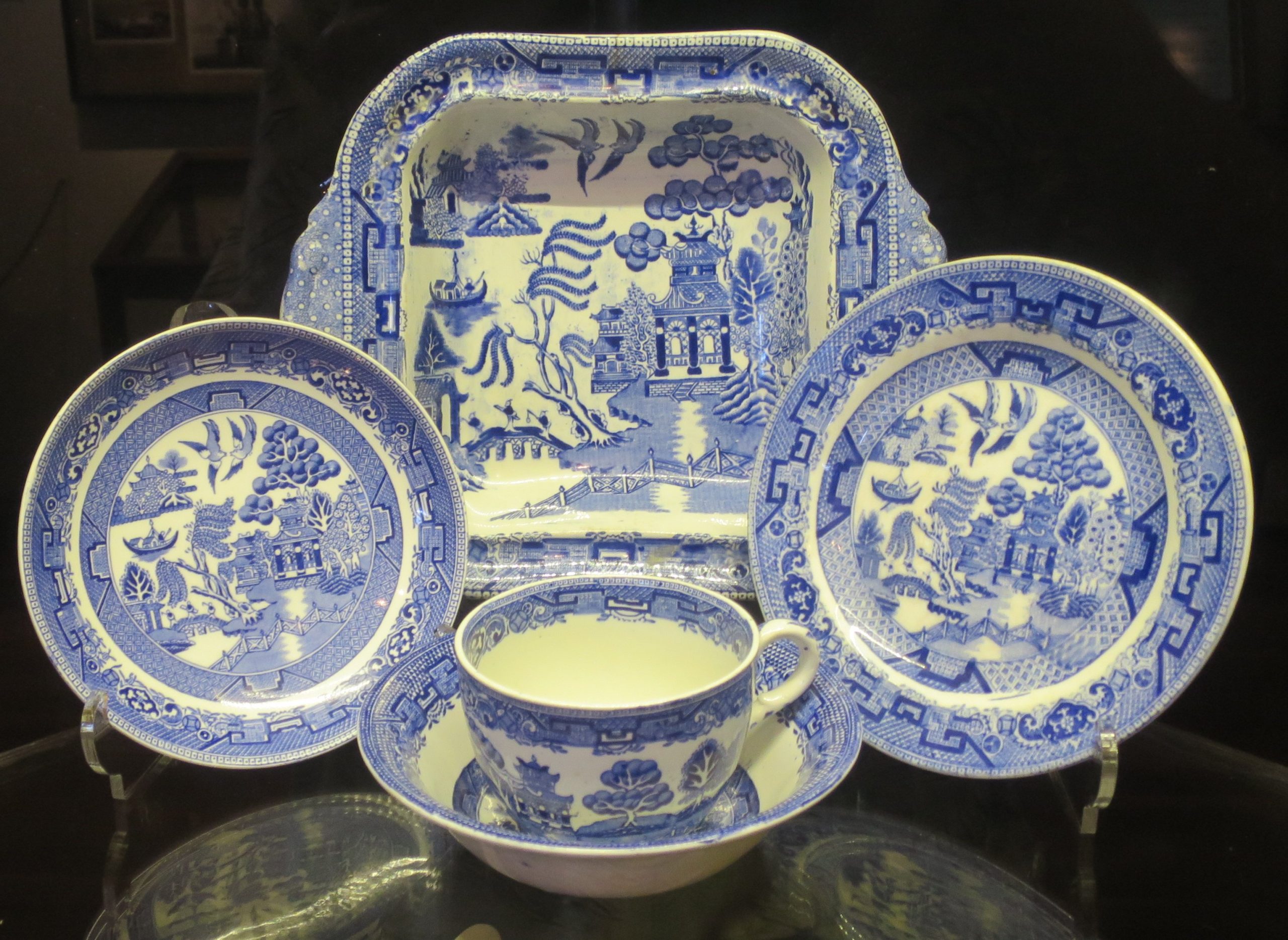
If you’ve ever spotted a plate with intricate blue designs depicting a romantic landscape, there’s a good chance you’ve come across Blue Willow china. This classic pattern has been around since the late 18th century, and it’s been a favorite among collectors ever since. Depending on the age and condition, these plates can fetch anywhere from $20 to several hundred dollars. Not to mention, they add a touch of nostalgia every time you set the table. Who knew a plate could spark a conversation about love stories from centuries ago?
2. Limoges Porcelain
Ah, Limoges—one of the most coveted names in porcelain. Originating from France, Limoges plates are known for their exquisite craftsmanship. You might find them in vibrant colors or delicate floral patterns. A single piece can be worth hundreds, even thousands, depending on its age and rarity. So, if you’ve got a plate hiding in the back of your cupboard with that signature “Limoges” mark, it’s time to dust it off and get it appraised. You might just be a few clicks away from funding your next vacation!
3. Royal Doulton
For those who love a bit of British charm, Royal Doulton plates have been delighting collectors for over a century. With their lovely designs and rich history, these plates can vary widely in value. Some vintage pieces can sell for hundreds of dollars at auction, especially if they feature popular patterns like “The Old Balloon Seller.” Imagine serving your scones on a plate that was once cherished by someone in the past. It’s like a fancy little time capsule!
4. Wedgwood Jasperware
When you think of classic pottery, Wedgwood is probably one of the first names that come to mind. Jasperware is particularly special, known for its matte finish and beautiful neoclassical designs. These plates often come in shades of blue and white, and collectors love them for their distinct look and historical significance. Depending on the age and design, some plates can be worth a few hundred dollars. So, if you’ve got one lying around, it might just be your ticket to some serious bragging rights at your next dinner party!
5. Kutani Ware
Now, let’s take a trip to Japan with Kutani ware. This beautiful pottery is known for its vibrant colors and detailed designs, often featuring landscapes, flowers, or even animals. While not every piece is worth a fortune, certain Kutani plates from the 19th century can be surprisingly valuable. If you spot one with intricate hand-painted details, it’s worth getting it appraised. It could turn out to be more than just a pretty plate—it might be a piece of art!
6. Transferware
Last but not least, let’s talk about transferware. This style of pottery was all the rage in the 18th and 19th centuries, characterized by its blue and white patterns, often depicting pastoral scenes or historical events. Some rare pieces can be worth thousands! It’s amazing to think that something that looks quaint and vintage could be so valuable. Plus, they make for stunning display pieces or conversation starters. Just imagine telling your guests that their plate has a history that goes back over a hundred years!
Wrapping It Up
So, there you have it—six old plates that might look like everyday dinnerware but could actually be worth a pretty penny. Next time you find yourself at a garage sale or flipping through your family heirlooms, keep these plates in mind. You never know what hidden treasures you might uncover. And who knows? You might just find that your grandma’s old china is worth more than the fancy plates you were eyeing at the store. Happy hunting, and may your next plate find be a valuable one!
Leave a Reply