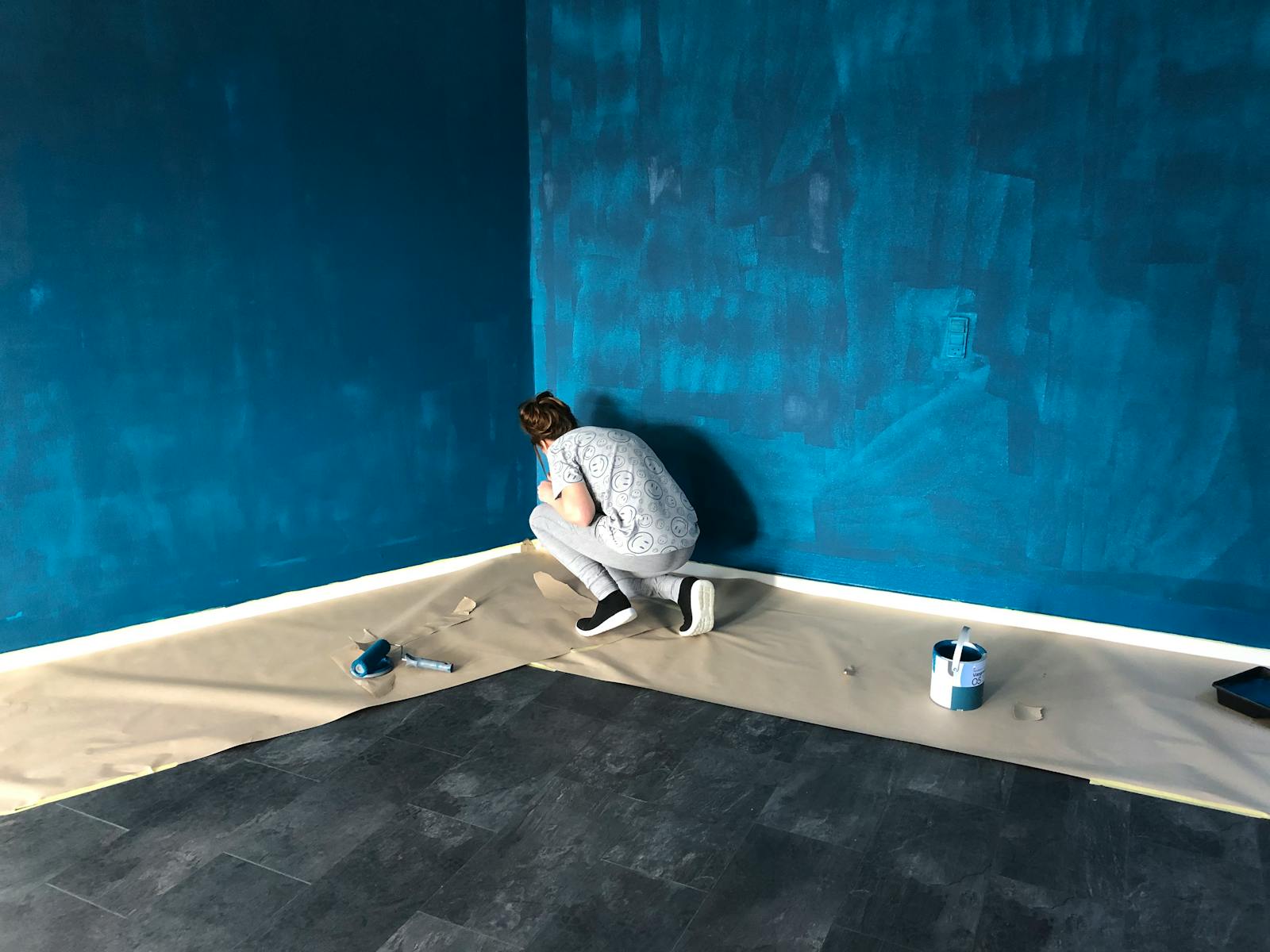
So, you’ve decided to tackle that long-overdue paint job in your living room. Maybe it’s the walls that look like they’ve survived a food fight, or perhaps it’s just time for a change. You’re ready to unleash your inner Picasso — but hold on a second! Before you grab that roller and start slapping paint on the walls, let’s chat about some critical prep steps that often get overlooked. Skipping these can lead to a paint job that’s less “wow” and more “what happened here?”
1. Ignoring the Power of Cleaning
First things first: your walls aren’t just canvases; they’re magnets for dust, grease, and who knows what else. You might think a quick swipe with a dry cloth will do the trick, but it’s not enough. Grab a sponge, warm water, and a bit of dish soap. Give those walls a good scrub! Not only will this help the paint stick better, but it’ll also ensure that you’re not painting over years of grime. Your future self will thank you when the finish looks smooth and vibrant instead of dingy and dull.
2. Skipping the Patchwork
Let’s talk about those pesky little cracks and holes. If you’re one of those people who believes a little imperfection adds character, you might want to reconsider. Trust me, your paint job will look like it was done in a hurry if you don’t take the time to patch up those spots. Grab some spackle or joint compound, fill in the gaps, and sand them down once they’re dry. It’s a small step that makes a huge difference. Think of it as giving your walls a little facelift — and who doesn’t want that?
3. Not Taping Off Like a Pro
Here’s a classic blunder: skipping the painter’s tape. I know, I know, it seems tedious, but let me tell you, the difference it makes is worth every second. Taping off edges, trim, and any areas you don’t want to get paint on creates crisp lines that’ll make your project look more professional. And let’s be real: you don’t want to spend hours touching up those rogue spots where the paint strayed. So grab that tape and get to work! Your walls will thank you later.
4. Choosing the Wrong Tools
This one’s a biggie. You wouldn’t use a butter knife to cut a steak, right? The same logic applies to paint tools. Don’t skimp on quality brushes and rollers. A good brush will hold more paint, distribute it evenly, and help you avoid those annoying streaks. And don’t forget about the roller nap! If you’re painting a textured surface, a thicker nap will help you cover those grooves without leaving a mess. It might feel like a splurge, but investing in the right tools can save you time and frustration in the long run.
5. Forgetting to Prime
Finally, let’s chat about primer. Some folks think, “Hey, I’m using a great paint. Why do I need primer?” Well, let me tell you: primer is your best friend. It creates a smooth base for your paint, helps it adhere better, and can prevent stains from bleeding through. Plus, if you’re making a dramatic color change, primer can reduce the number of coats you need, saving you both time and paint. Think of it as the secret ingredient in your paint recipe — it makes everything better!
Wrap-Up: The Prep Makes the Paint
So there you have it! Five prep steps that are easy to overlook but crucial for a successful paint job. It might seem like a lot, but trust me, taking the time to clean, patch, tape, choose the right tools, and prime will lead to a finish that’s worthy of a magazine spread. You’ll be amazed at how a little preparation can elevate your project from “meh” to “wow!”
Now, go ahead and unleash your creativity! Just remember: the paint may be the star of the show, but preparation is the unsung hero that makes your masterpiece shine. Happy painting!
More from Willow and Hearth:
Leave a Reply