Millennials are quietly raiding their parents’ and grandparents’ houses for design ideas, turning “dated” boomer staples into highly curated statement pieces. Instead of chasing disposable trends, you are leaning into vintage details that feel personal, sustainable, and built to last. These nine retro touches show how you can borrow the best of boomer-era style while still keeping your home unmistakably modern.
1) Solid wood dining sets with leaves and ladder-back chairs
Solid wood dining sets, especially extendable tables with leaves and ladder-back chairs, are one of the biggest vintage upgrades you can reclaim from boomer homes. A detailed guide to identifying antique wooden chairs notes that ladder-back silhouettes, turned legs, and mortise-and-tenon joints signal durable construction that can handle decades of daily use. When you choose a secondhand oak or maple table instead of a flat-pack alternative, you get a sturdier surface for remote work, hosting, and crafts.
For you, the stakes are both financial and environmental. A refinished 1960s dining set often costs less than a new midrange table and keeps heavy furniture out of landfills. The visual payoff is equally strong, since the patina of real wood instantly warms up minimalist apartments. Pairing these heirloom pieces with simple linen runners and contemporary lighting lets you keep the vintage character without slipping into a full period theme.
2) China cabinets and hutches styled as open display
China cabinets and hutches, once reserved for “good dishes,” are being reimagined as flexible display and storage. A practical breakdown of styling a china cabinet shows how glass-front doors, adjustable shelves, and interior lighting can showcase everyday ceramics, barware, and even books. Instead of hiding these pieces in closed cupboards, you can turn them into a curated backdrop that changes with the seasons. Vintage hutches also offer deep drawers that are ideal for linens, board games, or office supplies.
Reclaiming a boomer-era cabinet matters because it solves a common millennial problem: limited built-in storage in rentals and smaller homes. By painting or stripping the finish and swapping hardware, you can modernize a bulky cabinet while preserving its craftsmanship. The result is a single piece that functions as pantry, bar, and gallery wall, reducing your need for multiple cheaper units and helping you keep clutter under control.
3) Patterned wallpaper, especially florals and chintz
Patterned wallpaper, particularly florals and chintz, has moved from boomer nostalgia to millennial design staple. A trend report on wallpaper trends highlights the renewed demand for bold prints, including traditional botanicals and small-scale repeats that once covered entire suburban dining rooms. You are now using these patterns more strategically, wrapping a single accent wall, powder room, or ceiling to add depth without overwhelming a space. Peel-and-stick options make it easier to experiment in rentals or test a look before committing.
The stakes here are about personality in an era of white-box interiors. When you choose a vintage-inspired print, you can echo the coziness of your grandparents’ homes while editing out the visual clutter. Pairing chintz with clean-lined furniture and solid rugs keeps the room from feeling fussy. This balance lets you enjoy the charm of old-school pattern while still photographing well for social media and feeling calm day to day.
4) Crystal glassware and cut-glass decanters for everyday use
Cut crystal glassware and decanters, once locked in boomer display cabinets, are being pulled into everyday rotation. A detailed overview of vintage crystal glassware explains how leaded and lead-free crystal refract light, giving cocktails and water a distinctive sparkle that mass-market tumblers cannot match. Patterns like starbursts and crosshatching also add tactile grip, which makes these pieces practical as well as beautiful. You can mix inherited crystal with simple modern glasses to avoid a fussy, formal look.
Using crystal daily changes the stakes around “special occasion” items. Instead of letting fragile pieces gather dust, you extend their lifespan by integrating them into your routine, while still handwashing and storing them carefully. This approach aligns with a broader millennial focus on intentional living, where you prioritize fewer, better objects. It also makes hosting feel more elevated without requiring a full bar renovation or expensive new drinkware sets.
5) Vintage Persian and Oriental rugs with real wool pile
Vintage Persian and Oriental rugs, especially hand-knotted wool pieces, are another boomer staple you are reclaiming. A comprehensive guide to buying a vintage rug notes that wool pile, natural dyes, and visible knots on the underside signal quality that can withstand heavy traffic. These rugs often come in irregular sizes and faded palettes, which work well in open-plan apartments and layered under modern furniture. Unlike printed synthetics, real wool naturally resists stains and can be professionally cleaned for decades.
Choosing an older rug has clear implications for both style and sustainability. You avoid the off-gassing and shedding that can come with cheaper new options, while supporting small dealers and repair specialists who keep these textiles in circulation. The intricate patterns also hide everyday wear, which is crucial if you share your space with kids or pets. By anchoring a room with a vintage rug, you can mix high and low furnishings without the space feeling temporary.
6) Midcentury stereo consoles repurposed for streaming
Midcentury stereo consoles, once the centerpiece of boomer living rooms, are being revived as media hubs for streaming. A feature on midcentury stereo consoles details how long, low cabinets with sliding doors and tapered legs can house record players, speakers, and modern components. Many units include built-in record storage and fabric speaker fronts that double as visual texture. You can retrofit these cabinets with Bluetooth receivers and updated wiring while preserving the original wood case.
For you, the payoff is a media setup that looks intentional instead of dominated by black plastic boxes. Hiding routers, game consoles, and cables inside a vintage console keeps small spaces calmer and more flexible. It also reflects a broader millennial interest in analog experiences, like vinyl listening, layered on top of digital convenience. By investing in one well-made piece, you reduce the need for multiple flimsy TV stands and storage units.
7) Colored bathroom fixtures like avocado and powder blue
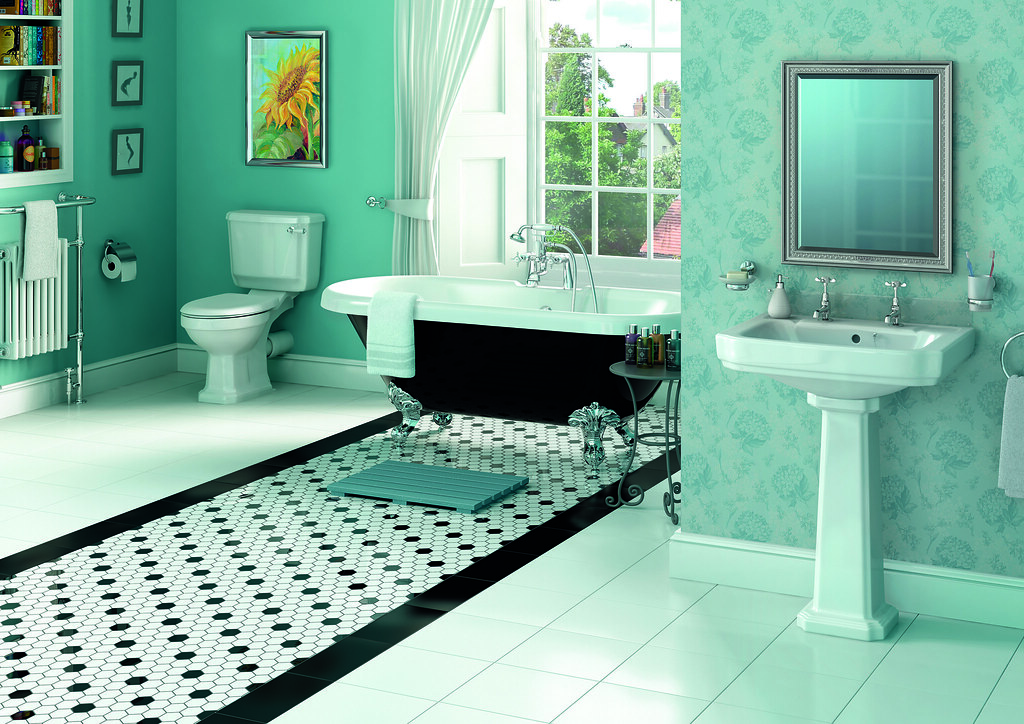
Colored bathroom fixtures, including avocado, powder blue, and pink sinks or tubs, are shifting from “dated” to distinctive. A renovation case study on retro bathroom fixtures shows homeowners preserving original colored tubs and toilets, then updating tile and hardware around them. Instead of ripping everything out, you can treat these fixtures as focal points, pairing them with neutral walls, black metal accents, and simple textiles. This strategy respects the original architecture while still feeling current.
The stakes are financial, environmental, and aesthetic. Keeping a solid cast-iron tub avoids the cost and waste of demolition, while also sidestepping supply-chain delays for new fixtures. For renters, working with existing color rather than fighting it can make small bathrooms feel intentional instead of compromised. Embracing these hues also sets your space apart from the all-white bathrooms that dominate listings, which can be a subtle advantage when subletting or selling.
8) Heavy drapes, pinch-pleat curtains, and layered window treatments
Heavy drapes and pinch-pleat curtains, once standard in boomer homes, are returning as layered window treatments that improve comfort and privacy. A practical guide to energy-efficient window treatments notes that lined draperies and layered coverings can significantly reduce heat loss in winter and heat gain in summer. When you combine sheer panels for daylight with thicker curtains for insulation, you gain more control over glare, temperature, and street noise. Vintage pinch-pleat panels can often be tailored to fit new windows.
For millennials juggling rising utility costs, this is not just a style choice. Properly sized drapes can help stabilize indoor temperatures, reducing reliance on heating and air conditioning. That matters in rentals where you cannot upgrade windows themselves. Visually, full-length curtains also make low ceilings feel taller and add softness to boxy rooms. By choosing updated fabrics and hardware, you can keep the look crisp while still benefiting from boomer-era practicality.
9) Real wood bedroom sets with matching dressers and nightstands
Real wood bedroom sets, including matching dressers and nightstands, are another boomer classic you are revaluing. A detailed overview of solid wood versus veneer explains how dovetail joints, consistent grain, and weight indicate solid construction that can be refinished multiple times. When you choose a secondhand set, you often get deeper drawers, sturdier slides, and more storage than many new flat-pack options. Simple updates like new knobs or a different stain can shift the style from traditional to streamlined.
The implications go beyond aesthetics. Investing in a cohesive, durable bedroom set reduces the churn of replacing wobbly pieces every few years, which saves money and cuts waste. It also creates a calmer backdrop for small spaces, since matching silhouettes read as intentional rather than cluttered. By blending these boomer-era workhorses with modern bedding and lighting, you can build a bedroom that feels both grounded and flexible as your life changes.
More from Willow and Hearth:
Leave a Reply