Donating can save lives, support community services, and keep usable goods out of landfills, but some items are simply too risky to pass on. To protect the people who rely on donations, you need to know which things are unsafe, unsellable, or even illegal to give away. Here are 10 things you should not donate for safety reasons, and what the reporting says about why they belong on your “do not donate” list.
1) Recalled Kitchen Products
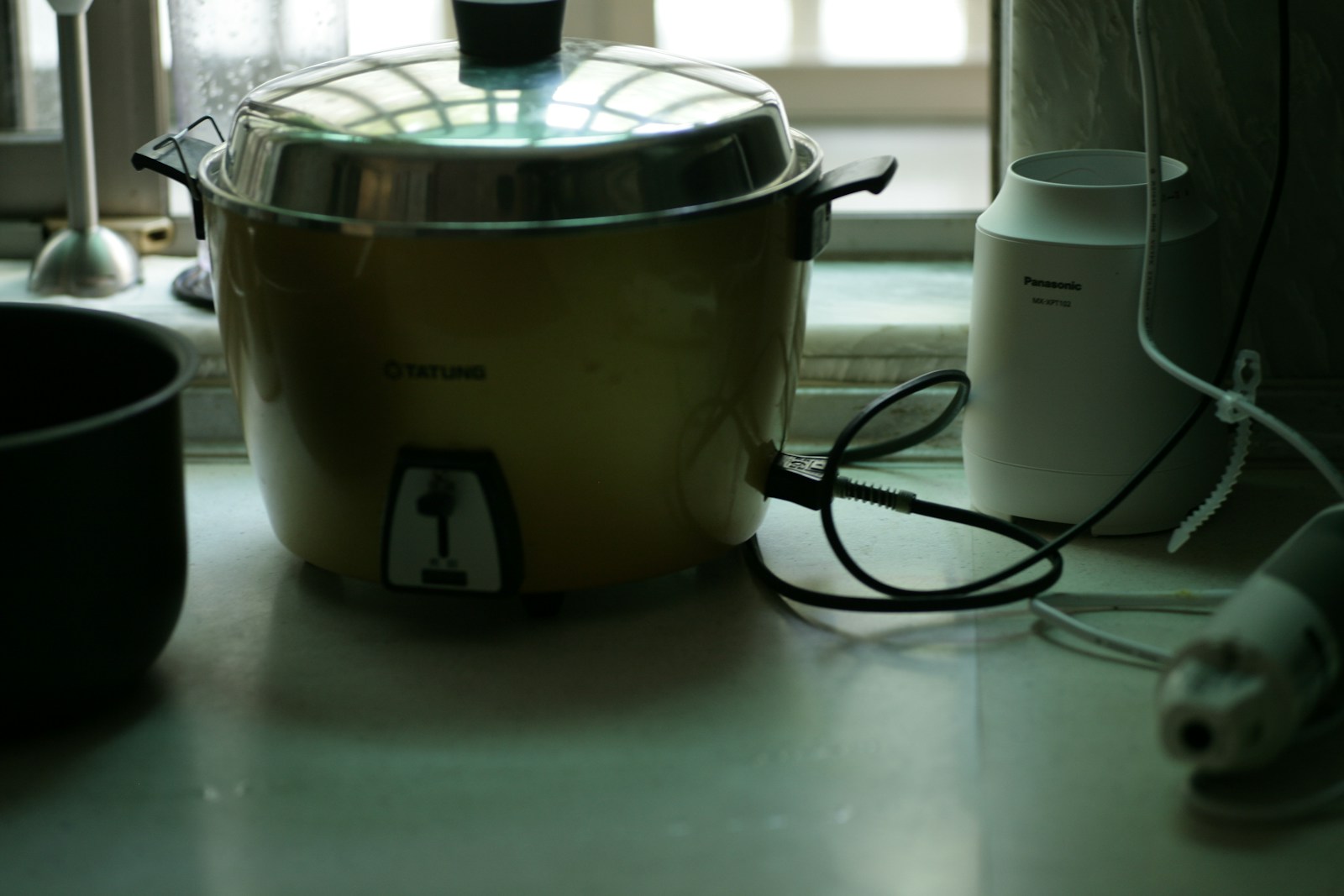
Recalled kitchen products should never be donated, because they have already been identified as unsafe. Guidance on what to do if you find a recall in your home stresses that you should not keep using or quietly pass along recalled products from your kitchen, since defects can cause burns, fires, lacerations, or foodborne illness. When you donate a recalled blender, pressure cooker, or food item, the recipient has no way to know that the manufacturer has warned it could fail or contaminate food.
Instead of dropping these items at a charity shop, you are expected to follow the recall instructions, which usually involve returning the product, getting a repair kit, or disposing of it according to specific directions. Safety-focused lists such as Items You Should Not Donate explicitly flag Items That Are On Safety Recall as off-limits. Ignoring those directions shifts the risk onto low-income families and volunteers, turning a well-meant donation into a potential emergency-room visit.
2) Hazardous Household Items to Thrift Stores
Hazardous household items, especially chemicals and flammable products, should not go to thrift stores at all. Detailed rundowns of 8 things you should never donate to the thrift store explain that certain everyday objects can leak, ignite, or release fumes while they sit in donation bins or on crowded shelves. Similar safety lists, including Things You Should Never Donate, single out Cleaning Products as a category that can injure staff or customers if containers break or mix.
More technical breakdowns, such as Hazardous Items Such As Pesticides and Household Chemicals, underline that these substances belong in municipal hazardous-waste programs, not resale streams. When you donate them, thrift workers must pay to dispose of them safely, diverting money away from community programs. The stakes are highest for children, older adults, and people with asthma, who can be harmed by even brief exposure to spilled or improperly stored chemicals.
3) Inappropriate Food Bank Contributions Amid SNAP Issues
Inappropriate food donations become especially dangerous when safety nets are already stretched. Reporting on how SNAP delays straining NC food banks affect families notes that pantries are urging people not to donate perishable, expired, or low-quality items that spoil quickly or lack nutrition. When refrigerators are full and staff are overwhelmed, a box of dented cans or leaking dairy products is not just unhelpful, it can cause foodborne illness and force volunteers to spend scarce time sorting trash from safe food.
Broader lists of Things You Should Never Donate highlight Expired Food as a core safety problem, because “best by” dates and compromised packaging signal that bacteria may already be growing. In a strained system, every unsafe item that arrives at a food bank consumes storage space, transportation, and disposal fees that could have supported fresh produce or shelf-stable staples. For households relying on these boxes as their main groceries, a single contaminated item can trigger serious health consequences.
4) Flammable or Infested Materials
Flammable or pest-attracting materials that you would not keep in an outbuilding are also poor candidates for donation. Advice on things you should never store in a shed warns that items like gasoline, solvents, and certain fabrics can ignite or degrade in uncontrolled environments, while others invite rodents and insects. When you send those same items to a charity shop, they move into crowded back rooms and sorting areas where a single spark or infestation can spread quickly.
Safety-focused donation guides, including Hazardous Items Such As Pesticides, explain that chemicals and contaminated textiles should be treated as waste, not as reusable goods. Infested rugs, moldy curtains, or fuel-soaked tarps can carry bed bugs, roaches, or toxic residues into homes that are already vulnerable. By keeping these materials out of the donation stream, you protect volunteers, shoppers, and the families who bring secondhand items straight into bedrooms and living spaces.
5) Used Mattresses
Used mattresses are one of the clearest examples of something you should not donate for safety reasons. A detailed list of 11 surprising items you can’t donate to charity shops explains that mattresses cannot be accepted because they may harbor bed bugs, dust mites, and allergens, and may also have hidden structural damage. Other overviews, such as Things You Should Never Donate, reinforce that Mattresses are routinely rejected or discarded once they reach sorting rooms.
Operational pieces like 6 Things Thrift Stores Won’t Resell After You Donate Them note that Thrift locations often have to pay to dispose of these bulky items, because they cannot legally or ethically resell them. For the eventual user, a sagging or contaminated mattress can worsen asthma, trigger skin reactions, or collapse unexpectedly during sleep. Recycling programs or municipal bulk-waste pickups are safer, more responsible options than trying to push a mattress into the charity pipeline.
6) Expired Car Seats
Expired car seats are another category that should never be donated, even if they look clean and undamaged. Safety experts emphasize that once a seat reaches its expiration date, materials can weaken and crash protection can no longer be guaranteed, which is why guidance on what to do with an expired car seat starts with “But, let’s start with the things you shouldn’t do with an expired car seat! First of all, don’t donate or sell it.” That warning is grounded in the fact that crash standards and regulations change over time.
Legal commentary, including a widely shared note that you cannot sell or donate a used car seat for safety reasons, stresses that All car seats actually have an expiration date. Passing one to a charity shop hides its history of crashes, recalls, or misuse from the next parent. Instead, many communities recommend cutting the straps and labeling the shell as expired before placing it in the trash or a designated recycling program, so no one is tempted to rescue it from a bin.
7) Real Fur Garments
Real fur garments often cannot be donated to charity shops, and safety is part of the reason. The same report that lists 11 surprising items you cannot donate explains that fur items to charity shops are frequently refused because of legal restrictions, ethical policies, and the difficulty of verifying how the fur was sourced. Some regions have bans on selling certain types of fur, while others require labeling that older coats and trims simply do not have.
From a health perspective, fur can also trigger severe allergies and may have been treated with chemicals that no longer meet modern safety standards. When shops accept these items, they risk violating local rules or exposing staff to irritants during cleaning and handling. In practice, many charities advise owners to explore specialist fur recycling or upcycling services instead of trying to push these garments into general resale streams.
8) Worn Sleepwear and Pyjamas
Worn sleepwear, especially pyjamas, is another category that charity shops often decline for hygiene and safety reasons. The same guidance that rules out mattresses and fur notes that pyjamas to charity shops are problematic because they have been in direct contact with skin for long periods, sometimes while the wearer was ill. Fabric that has absorbed sweat, skin cells, and body oils can harbor bacteria or fungi even after a wash, particularly along waistbands and cuffs.
More general lists of Things You Should Never Donate also flag used underwear and similarly intimate garments as unsuitable, placing heavily worn pyjamas in the same risk category. For recipients who may not have access to hot water or high-heat dryers, fully disinfecting secondhand sleepwear is difficult. That is why many charities prefer new-in-package pyjamas for shelters and hospitals, reserving limited laundry and inspection capacity for outerwear that poses fewer hygiene concerns.
9) Other Restricted Charity Items
Beyond the obvious examples, there are additional surprising items that cannot be donated to charity shops because of safety rules. The detailed rundown of 11 surprising items you can’t donate to charity shops points to sharp tools, certain electricals, and outdated tech that may not meet current standards. These goods can shock, cut, or overheat, especially when their cords, blades, or batteries have been stressed by years of use.
Operational guidance like 6 Things Thrift Stores Won’t Resell After You Donate Them confirms that many locations quietly discard such items, because testing and repairing them would cost more than they are worth. When you donate them anyway, you shift disposal costs and liability onto charities that are trying to stretch every dollar. Checking local “do not accept” lists before loading your car helps keep hazardous clutter out of donation streams and protects the people who shop there.
10) Broad Thrift Store No-Gos and Safety-Focused Categories
Broad thrift store guidelines pull these threads together into clear safety-focused categories. Experts who study clutter and donations, such as Priestly, advise that “The best rule is to donate items that are clean, safe, and truly useable,” and that you should avoid overwhelming your neighborhood thrift with broken or risky goods, as highlighted in Priestly. Expanded lists of things to never donate to thrift stores add broken glassware, toxic cleaners, and unstable furniture to the no-go pile.
These safety rules sit alongside other forms of giving, from financial support for digital commons like reasons you should donate to Wikipedia to lifesaving acts such as blood drives, where experts outline 3 reasons to donate blood. In every case, the principle is the same: your generosity should never put someone at risk. By keeping hazardous, recalled, or unhygienic items out of donation bins, you ensure that your help is genuinely safe and useful for the people who depend on it.
More from Willow and Hearth:
Leave a Reply