Buyers are getting pickier, and the stuff that used to scream “dream home” is now making people quietly back toward the door. With the market expected to tilt more in buyers’ favor in 2026, sellers no longer get a free pass on dated layouts, fussy finishes, or high-maintenance extras. I have been combing through what realtors say actually turns people off so I can stop mentally adding shiplap to every surface and start focusing on what will still look smart a few years from now.
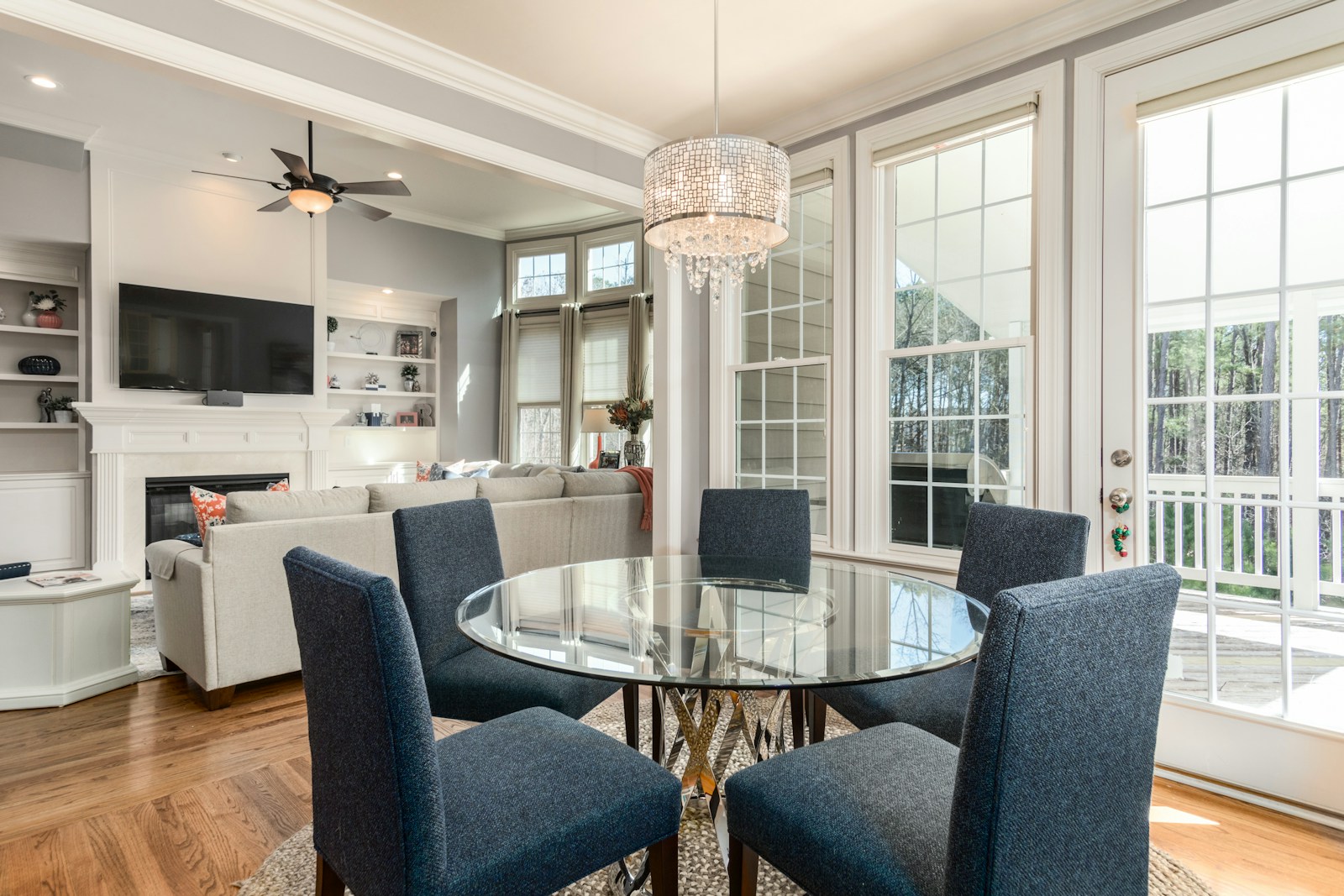
Across surveys and expert interviews, a clear pattern shows up: buyers want flexible, low-maintenance spaces that feel move-in ready, not museum pieces or DIY projects in disguise. The more a feature locks someone into a specific lifestyle, color palette, or upkeep routine, the faster it lands on the “nope” list.
When Layouts Fight Real Life
The floor plan is the first thing buyers feel, often before they even notice the finishes, and it is also where some of the biggest dealbreakers hide. A new set of Key Points from real estate pros highlights how a “broken” layout, where rooms are chopped up or circulation makes no sense, can drag down value in 2026. Another analysis notes that a closed-plan setup can actively lower a home’s appeal, with buyers preferring layouts that feel open and flexible rather than a maze of small, disconnected rooms, according to They. When the flow works against how people actually live, they start mentally pricing out walls coming down.
At the same time, the wide-open “one big room” concept is losing its halo. Market research shows that Open Floor Plans their appeal as people work from home, need quiet zones, and want rooms with a distinct mood and purpose. The sweet spot now is a layout that feels connected but still gives you a door to close when someone is on a Zoom call or a toddler is melting down. If a house forces buyers to choose between privacy and togetherness, they are already thinking about the next showing.
Rooms And Styles That Feel Stuck In Time
Some spaces are not just dated, they are actively confusing to buyers who live very differently from the families these homes were built for. The classic example is the formal dining room. Agents report that the once-coveted separate dining space is now seen as wasted square footage, especially when buyers would rather have a bigger kitchen or a home office, according to formal dining. Many purchasers simply do not host the kind of sit-down dinners that justified dedicating an entire room to a table and china cabinet, so that square footage feels like a missed opportunity.
Design-wise, the pendulum is also swinging away from some of the biggest trends of the last decade. Analysts tracking style shifts say that “All-Gray Everything” is expected to fade, with buyers tiring of wall-to-wall greige and looking for more warmth and character instead of a flat, cool palette, as highlighted under All. The same report notes that the Modern Farmhouse aesthetic, popularized by social media and TV, is starting to feel overdone, with buyers preferring homes that reflect local character while still incorporating modern amenities, according to the Image Credits from Pixabay.
Finishes And Upgrades That Quietly Kill The Vibe
Once buyers get past the layout, they start clocking surfaces, and some of the most common “upgrades” are now instant turnoffs. Carpet is at the top of that list. One survey of buyer preferences found that “Wall-to-Wall Carpeting Throughout the Home” has fallen seriously out of favor, with people willing to pay more for hardwood floors and seeing full carpet as a negative, according to Wall. Another set of realtor surveys reports that 83 percent of buyers now see Wall-to-Wall Carpeting Throughout the Home as a liability rather than an asset, citing worries about hidden stains and allergens, according to the Image Credit. That lines up with broader data showing Homeowners have favored hard-surface flooring for years, and buyers now expect it as a baseline, according to Wall Carpeting Throughout.
Kitchen choices can be just as polarizing. Experts warn that ultra-specific, high-contrast looks like “Cool White Cabinets and Matte Black Fixtures” are starting to feel harsh and less aligned with what buyers want now, with softer, more layered finishes gaining ground, according to Cool White Cabinets. The same kitchen trend report calls out Oversized Appliances That Dominate, noting there was an era when giant ranges and refrigerators signaled luxury, but now buyers want high-end without feeling like the appliances are swallowing the room, as one designer put it in a quote about how they should look high-end without overpowering. Another set of realtor feedback flags “Personalized and Ultra-Trendy Kitchens” as a problem, especially when bold tile or niche color schemes make it hard for buyers to picture their own style, according to the Image Credi.
“Upgrades” That No Longer Add Value
Some of the priciest line items on a renovation budget are now the least likely to impress. Real estate specialists are blunt that certain “High-End or Luxury Additions” no longer move the needle on value in 2026, especially when they are overly customized or expensive to maintain, according to High. One expert, Charissa Bright, owner of Bright Homes, notes that buyers are less eager to inherit complicated systems that require specialized servicing, which is why high-maintenance outdoor upgrades are also flagged as a poor bet for boosting a home’s resale value in 2026, according to the section on Upgrades That Will. Think elaborate water features, sprawling custom decks that need constant sealing, or intricate landscaping that screams “weekend project” instead of “relaxing backyard.”
Even tech can backfire when it is built in instead of plug-and-play. One home tech roundup points out that buyers are surprisingly underwhelmed by Built-In Speakers, with agent Garcia noting that many people prefer to bring their own wireless systems and do not want to be locked into dated hardware in the walls, according to Built. Another expert list warns that a “400-square-foot” room dedicated to a single hobby or hyper-specific use can actually hurt value, because buyers see it as a renovation project rather than a bonus, especially when it is wrapped in bold wallpapers or quirky tile patterns, according to the section on a 400-square-foot space. The more an upgrade screams “someone else’s dream,” the more buyers mentally subtract from the asking price.
Wear, Personalization, And A Market That Finally Has Options
Even if the layout and finishes are on trend, small signals of neglect can send buyers straight back to their car. Agents talk about “Visible Wear and Tear Small” details that instantly shift perception, from Old lights to battered floors and fading cabinets that suggest a long list of deferred maintenance before buyers even consider the overall layout, according to Visible Wear and. The same experts warn that Spaces That Feel Too Personal, with intense color schemes or ultra-specific decor, make it hard for Buyers to imagine their own lives there, especially When design choices lean too bold or specific, according to Spaces That Feel. Another survey-based slideshow on buyer turnoffs notes that one of the most significant red flags is a feature that would require an expensive renovation to remove, according to the Story by Emily Dawson, which is exactly how buyers see things like heavy texture, built-in platforms, or aggressive theme rooms.
More from Willow and Hearth:
Leave a Reply