The penny is finally being phased out of circulation, but the coins in your kitchen jar are not disappearing with it. They still have purchasing power, sentimental value and, in a few cases, surprising worth to collectors. As the mint steps back from producing new cents, I see five practical ways to turn that pile of copper‑colored change into cash, generosity or something you will actually enjoy.
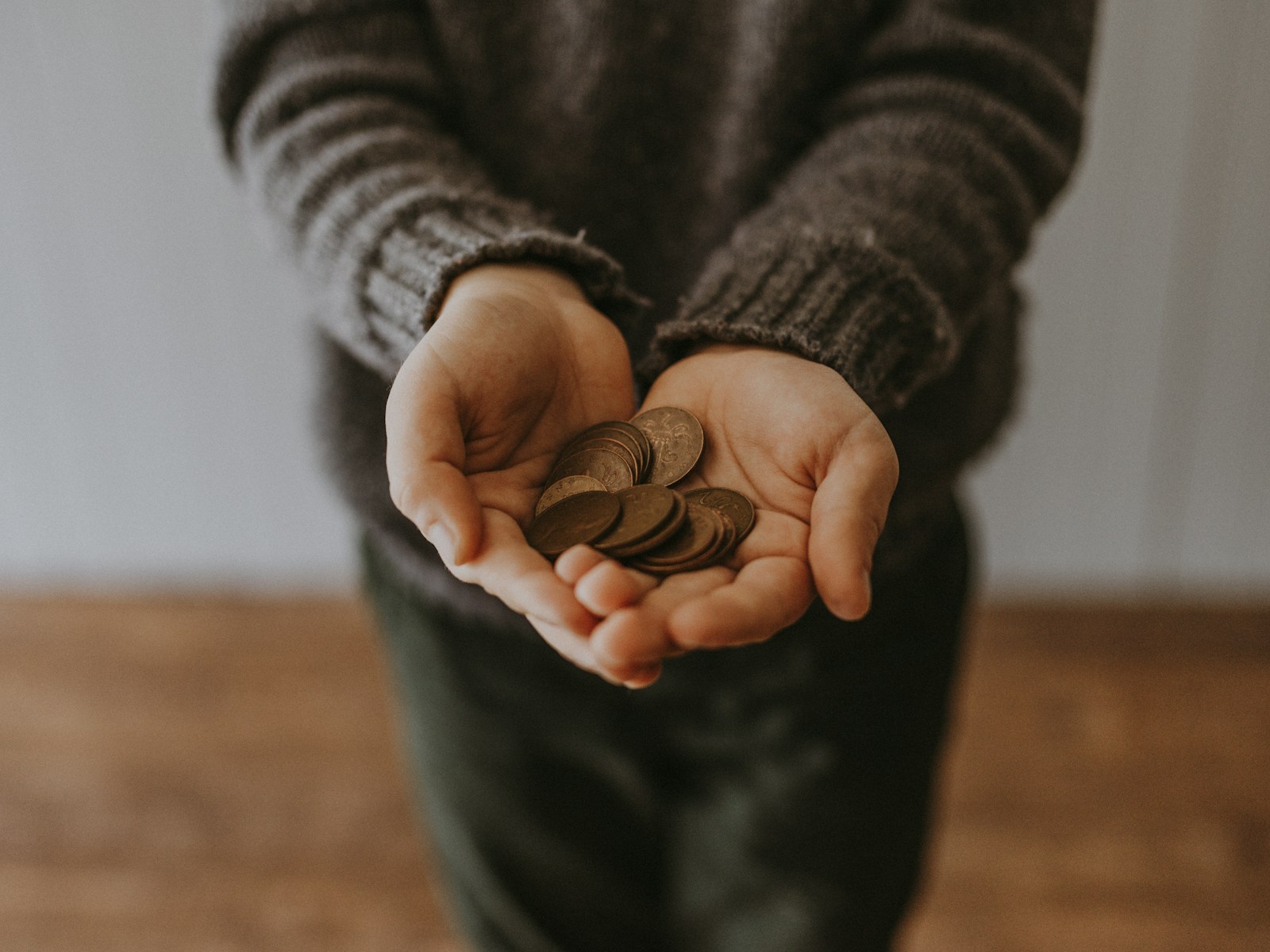
Some options are straightforward, like cashing in at a bank or coin machine, while others lean into education, crafts or numismatics. The key is to treat those pennies as a resource instead of clutter, and to match your approach to how much time and effort you are willing to invest.
1. Cash them in the smart way
If your priority is speed, the simplest move is to convert pennies into dollars and move on. Coin counting kiosks such as the Coinstar Machines for Quick Cash that sit near supermarket entrances will tally your stash in seconds, then pay out in cash or store credit. The tradeoff is that many of these machines charge a fee on cash redemptions, which is why some advisers suggest using them only when you value convenience more than squeezing out every cent from your jar, even when the pitch is to Take Your Pennies and walk away with instant money.
For a better return, I would start with your bank. Many institutions still accept rolled coins, and some branches provide paper sleeves for free so you can Roll Them Up and Head to Your Bank without buying supplies. Reports note that most banks will exchange pennies at full face value and that some credit unions even offer in‑branch coin counting machines for members, which is why it can be worth asking whether your local branch is one of the places where Bank May Be to empty a jar. One detailed rundown on coin redemption even highlights the figure 54 in its discussion of timing, underscoring how specific some of these recommendations can get when you look closely at the fine print on fees and cutoffs.
2. Keep spending them while you still can
Even as production winds down, pennies remain legal tender, which means you can still use them in everyday transactions. Guidance aimed at small businesses in Texas makes clear that Will Texas retailers continue to accept cents for payment, and the answer is yes, because Even if the mint stops striking new coins, existing ones do not suddenly lose their status as money. That same advisory frames the question many people are asking, What should I do with all these coins, and stresses that spending them normally at stores that still handle cash is a perfectly valid choice.
Some consumer advocates point out that retailers are not responding in a single uniform way to the end of the penny. One analysis of Are Retailers Changing Prices notes that there has not been a nationwide standard on how to round totals when cash transactions no longer use one‑cent pieces, which is why I think it still makes sense to use pennies to pay exact amounts where possible. You can still hand over coins at places that welcome cash, and as one lifestyle guide puts it, you can simply spend them normally alongside nickels and dimes, especially in smaller shops and among people who still pay with coins.
3. Hunt for the rare ones before you cash out
Before you dump your jar into a machine or slide it across a teller window, it is worth checking whether any of your pennies are worth more than one cent. Numismatic experts consistently advise people who suspect they have unusual coins to slow down and Read up on your coins, because small details like mint marks, dates or misprints can turn an ordinary cent into a collector’s item. One guide on how to handle potentially valuable change notes that What you should do if you think a coin is special is to compare it against trusted references, and that While there are apps you can use to scan designs, they are no substitute for careful inspection.
For a deeper dive, I would reach for a standard reference like 2026 Red Book, formally known as The 2026 Red Book: A Guide Book of United States Coins, which lays out typical retail values for different dates and mint marks. Consumer explainers on the penny’s retirement also remind people that a coin jar can hide a key date, an error strike or even a foreign piece that collectors will pay a premium for, and one Texas‑focused overview explicitly says that a jar of cents might contain a coin that is now a collector’s item. Another national guide on the penny’s phaseout walks readers through how to know if you have one that is valuable and stresses that if you find something promising, you should consult a dealer or grading service rather than rushing to cash it in, advice that is echoed in a detailed overview of rare.
4. Turn loose change into generosity and learning
If you are less interested in maximizing every dollar and more focused on impact, your pennies can become a small but steady source of charitable giving. Several personal finance guides suggest that people Donate Your Pennies to local causes, and one widely shared piece even highlights how easy it is to drop a jar at Charitable Organizations that already run coin drives. That same advice notes that Pennies can add up quickly when pooled, and that some campaigns explicitly brand themselves as penny drives to encourage participation, often illustrated with Image Credits that point to Unsplash photos of jars and donation boxes, a reminder that even tiny denominations can be part of a larger story of giving when you Donate Your Pennies.
Pennies are also a surprisingly effective teaching tool. One tax and accounting advisory notes that Pennies are great for kids who are just learning to count, save and understand the basics of money. That same guidance, framed under the heading Cash Them In, points out that While it might seem tedious to sort and roll coins, involving children in the process can turn a chore into a lesson about patience and goal setting, especially when you use Coin Counting Machines at the end as a kind of reward. I find that approach particularly compelling now, because the disappearance of the penny from daily change gives parents a natural opening to talk about how currency evolves and why some denominations come and go.
5. Get creative with crafts and keepsakes
For people who enjoy working with their hands, pennies can become raw material for art and décor instead of dead weight in a drawer. Lifestyle guides on the fading penny trend encourage readers to Get Creative With Crafts and Home Projects, suggesting that you can turn pennies into simple pendants, keychains or even mosaic tabletops. One such guide notes that when you Take Your Pennies and arrange them by tone or year, you can transform what looks like worthless currency into conversation pieces, and it specifically highlights how to turn pennies into simple pendants that carry personal meaning.
There is also a growing market for products that incorporate real coins into their design, from tabletops to flooring tiles and bar counters. A quick search for a penny‑covered product turns up everything from DIY kits to finished furniture, proof that there is real demand for designs that celebrate the coin even as it exits circulation. One practical tip I would add is to separate out any potentially rare dates before you glue or resin coins into place, using the same numismatic references mentioned earlier, so you do not accidentally embed a valuable cent in a countertop for good.
More from Willow and Hearth:
Leave a Reply