A dog that fixates on one drawer, growling every time someone walks past it, is not staging a supernatural drama. It is broadcasting a very specific warning that something about that spot, that sound, or what it contains feels threatening or too precious to lose. When the owner finally slides the drawer open, the mystery usually turns out to be far more ordinary than eerie, but the behavior itself can reveal a lot about canine fear, pain, and possessiveness.
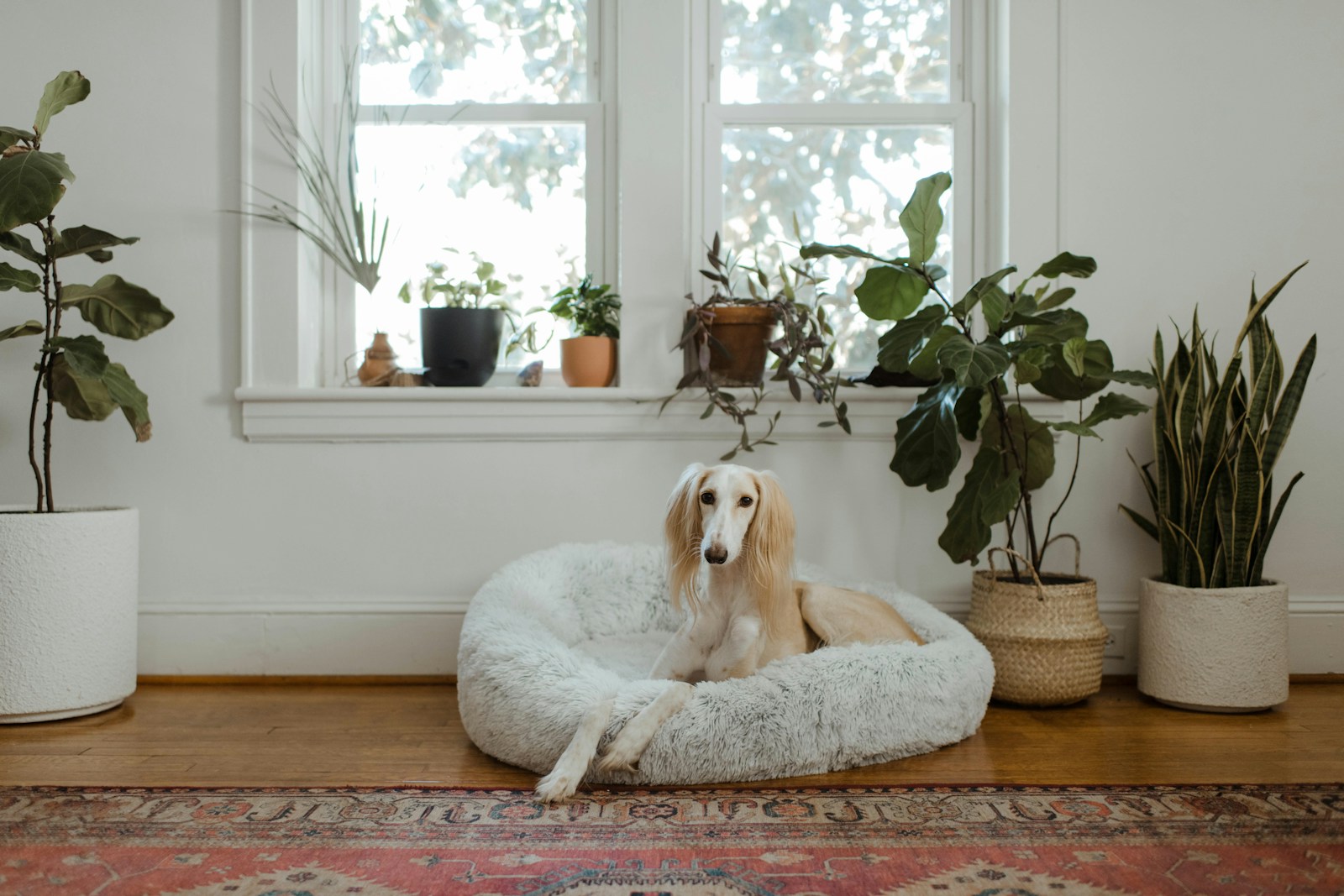
Understanding why a dog reacts so strongly to a single drawer can help prevent bites, protect the relationship with the animal, and even flag hidden health problems. It also offers a window into how dogs use growling as a kind of language, long before they feel forced to escalate to snapping or lunging.
The Drawer That Sets The Dog Off
In many homes, the story starts the same way: a dog that is otherwise relaxed suddenly stiffens whenever someone approaches one particular drawer. The dog may plant itself in front of the cabinet, lower its head, and let out a low growl the moment a hand reaches for the handle. Owners often describe the sound as different from playful noise, more like a warning that the dog is guarding something or bracing for something unpleasant. The behavior can look especially puzzling when the drawer holds mundane items like batteries or dish towels, yet the dog reacts as if it contains a threat.
Online accounts of dogs growling at specific places, such as one owner whose pet began reacting every night at 3:33 a.m. to a corner of the room, show how quickly people jump to paranormal explanations when a trigger is not obvious. In that case, the dog later developed dementia, and the growling was linked to neurological changes rather than anything supernatural, as the owner described in a detailed personal story. A drawer that sets a dog off can be just as mysterious at first glance, but the underlying causes are usually rooted in the same mix of fear, confusion, or guarding behavior.
Growling As A Dog’s Early Warning System
Before anyone can decode why a dog targets a drawer, it helps to understand what growling actually means. Behavior specialists emphasize that growling is a normal part of canine communication, not a sign of a “bad” dog. Dogs growl in many contexts, including play, frustration, and serious discomfort, and the sound is often the first clear signal that a dog is uncomfortable with a situation. Guidance on canine behavior notes that Growling is a normal part of how Dogs express themselves and that owners should Never treat it as simple defiance.
Experts also stress that the meaning of a growl depends heavily on context. A dog that rumbles during tug-of-war may be engaging in what some trainers call Play Growling, while a dog that stiffens, shows the whites of its eyes, and growls when someone reaches for a drawer is likely issuing a serious warning. Because the same sound can signal very different emotions, owners are urged to look at body language, the environment, and recent experiences to interpret the message. Punishing the sound itself, instead of addressing the cause, can suppress this early warning and make a dog more likely to bite without growling first.
When A Drawer Becomes “Property”
One of the most common explanations for a dog fixating on a drawer is resource guarding, a form of possessive aggression in which an animal defends something it values. Trainers describe cases where a dog growls when someone walks by a food bowl, toy, or even a favored spot on the couch, treating it as personal property. Educational videos on the topic explain that possessive aggression, sometimes called resource guarding, can appear when a dog fears that a valued item will be taken away and responds with a warning growl, as outlined in a segment featuring Jul discussing possessive aggression.
In the case of a drawer, the dog may have stashed a chew, a stolen sock, or another prized object inside, or it may associate the drawer with access to food or toys. Trainers who specialize in guarding behavior note that Understanding which type of guarding is happening is the first step to helping the dog feel more secure, and they list Resource guarding as a key pattern when a dog reacts as someone gets near an item or location, including furniture or storage spaces, as described in detailed guarding guidance. When a drawer becomes part of that mental inventory, the dog may treat it like a food bowl that must be defended.
Fear, Pain, And Bad Associations
Not every drawer-focused growl is about ownership. Sometimes the dog is bracing for something it dreads, such as medication, grooming tools, or loud household gadgets stored in that space. Owners in training groups often speculate about these links, with one discussion pointing out that a dog might have a bad association with medication or with someone walking too fast toward a particular area, and that growling is usually a sign the dog is either uncomfortable or scared. In that exchange, one commenter emphasized that Maybe the dog is reacting to a specific memory and urged others to respect growls as warnings, advice captured in a widely shared training thread.
Pain can also turn a neutral drawer into a flashpoint. If opening the drawer coincides with a person leaning over the dog, bumping into a sore hip, or touching a sensitive area, the animal may start to anticipate discomfort whenever that motion happens. Behavior specialists describe growling as a cry for help when a dog cannot tolerate a situation, comparing it to a clear message that being touched or crowded is a bad thing, a point made vivid in a discussion labeled When Dogs Cry. In such cases, the drawer is less important than the pattern of movement and contact that surrounds it.
Why Punishing The Growl Backfires
When a dog growls at a drawer, many owners instinctively scold, yank the dog away, or even physically confront it. Trainers warn that this reaction can be dangerous. Punishing a growling dog may stop the sound in the moment, but it does not change the underlying fear or possessiveness. Instead, it teaches the dog that giving a warning leads to trouble, which can push the animal to skip straight to snapping or biting without any audible signal. Safety guidelines for interacting with reactive dogs explicitly advise people not to Punish or Approach Aggressively, noting that Punishing a growling dog can escalate aggression and increase the risk that the dog will bite if it feels cornered, as outlined in a set of dos and don’ts.
Modern training approaches instead encourage owners to treat the growl as valuable information. By listening to the warning, people can step back, assess what is triggering the reaction, and then work to change the dog’s emotional response through desensitization and counterconditioning. Some trainers go further and caution that confronting a dog over a guarded object, such as a toy or a drawer, can feel like a direct challenge and make the animal more defensive. Educational content on resource guarding explains that confronting a dog that stiffens when someone reaches for a toy or storage space can intensify the guarding pattern, and that a calmer, structured approach is safer, a point reinforced in a detailed training explainer.
Opening The Drawer: What Owners Usually Find
When an owner finally decides to open the contested drawer, the reveal is often anticlimactic. In many cases, the drawer contains a forgotten chew, a crumpled food wrapper, or a toy that the dog once prized. Trainers who work with possessive behavior describe scenarios where a special toy or blanket causes a dog to growl when approached, and they note that the specific object can be almost anything the dog has learned to value. One behavior guide even opens with the observation that Perhaps there is a special toy or blanket that triggers growling, and that owners must teach the dog not to be possessive around such items, advice that extends neatly to a drawer that hides a coveted object, as explained in a practical behavior guide.
Other times, the drawer is where nail clippers, ear cleaner, or pill bottles are stored, and the dog has learned that the sound of it opening predicts an unpleasant procedure. In those households, the growl is less about guarding and more about dread. A dog that has been forced through stressful handling without choice or gradual introduction may start to protest earlier and earlier in the sequence, eventually reacting to the drawer itself. When owners recognize this pattern, they can begin to change the association by pairing the drawer opening with treats, gentle handling, and breaks, rather than immediately reaching for the feared item.
How Professionals Decode Drawer Guarding
When a case of drawer-focused growling lands in a trainer’s inbox, the first step is usually detective work. Professionals ask detailed questions about what is stored in the drawer, what happens right before and after it is opened, and how the dog’s body language looks at each stage. They also look for broader patterns, such as whether the dog guards food, toys, or resting spots. Training resources on possession aggression emphasize the importance of identifying the cause of a dog’s growling, listing pain, fear, territoriality, and possession aggression as key possibilities, and they recommend addressing the specific trigger rather than applying a one-size-fits-all fix, a point laid out in a set of Key Takeaways that urge owners to Identify the underlying cause.
If the behavior is diagnosed as resource guarding, many trainers use structured exercises that teach the dog that people approaching the drawer make good things happen. Some follow protocols that involve trading up, where the dog learns that surrendering access to a space or object leads to something better, and that humans are not there to steal resources. Video tutorials featuring Jul walk viewers through scenarios where a dog growls over food or toys and explain how to Stop the pattern before it gets worse, stressing that Does the dog feel safe when people approach is the central question, as discussed in a widely viewed training segment. The same logic applies when the guarded “object” is a kitchen drawer.
Step‑By‑Step: Safely Changing The Behavior
Once a veterinarian has ruled out pain and a trainer has identified the likely trigger, owners can begin a stepwise plan to change how the dog feels about the drawer. Many modern protocols start at a distance where the dog notices the drawer but does not react, then pair that sight or sound with high value treats. Over time, the person moves closer, touches the handle, and eventually opens the drawer, always staying below the dog’s threshold for growling. Behavior guides on dealing with a growling dog stress that the safest and most effective way to stop inappropriate growling is to change the dog’s emotional response, not to suppress the sound, and they highlight that this process should be guided by a specialist when possession aggression is involved, as outlined in detailed behavior advice.
For dogs that are actively guarding, trainers often add specific exercises that teach the animal to move away from the drawer on cue and to accept people handling nearby objects. Educational content on stopping resource guarding explains that confronting a dog over a toy or food bowl can increase anxiety, and instead recommends gradual desensitization and clear communication so the dog understands that humans approaching valued items are not a threat, a strategy reinforced in a detailed training breakdown. Throughout this process, the growl remains a useful gauge of progress: if the dog stops growling and starts wagging when the drawer opens, the association has shifted from fear or guarding to anticipation of something positive.
More from Willow and Hearth:
Leave a Reply