A dog that plants itself in front of a backyard shed and refuses to let anyone near is not just being stubborn. That kind of single‑minded behavior often signals fear, hidden danger, or a powerful instinct to protect something out of sight. When people finally open the door in stories like this, what they uncover tends to say as much about human responsibility as it does about canine loyalty.
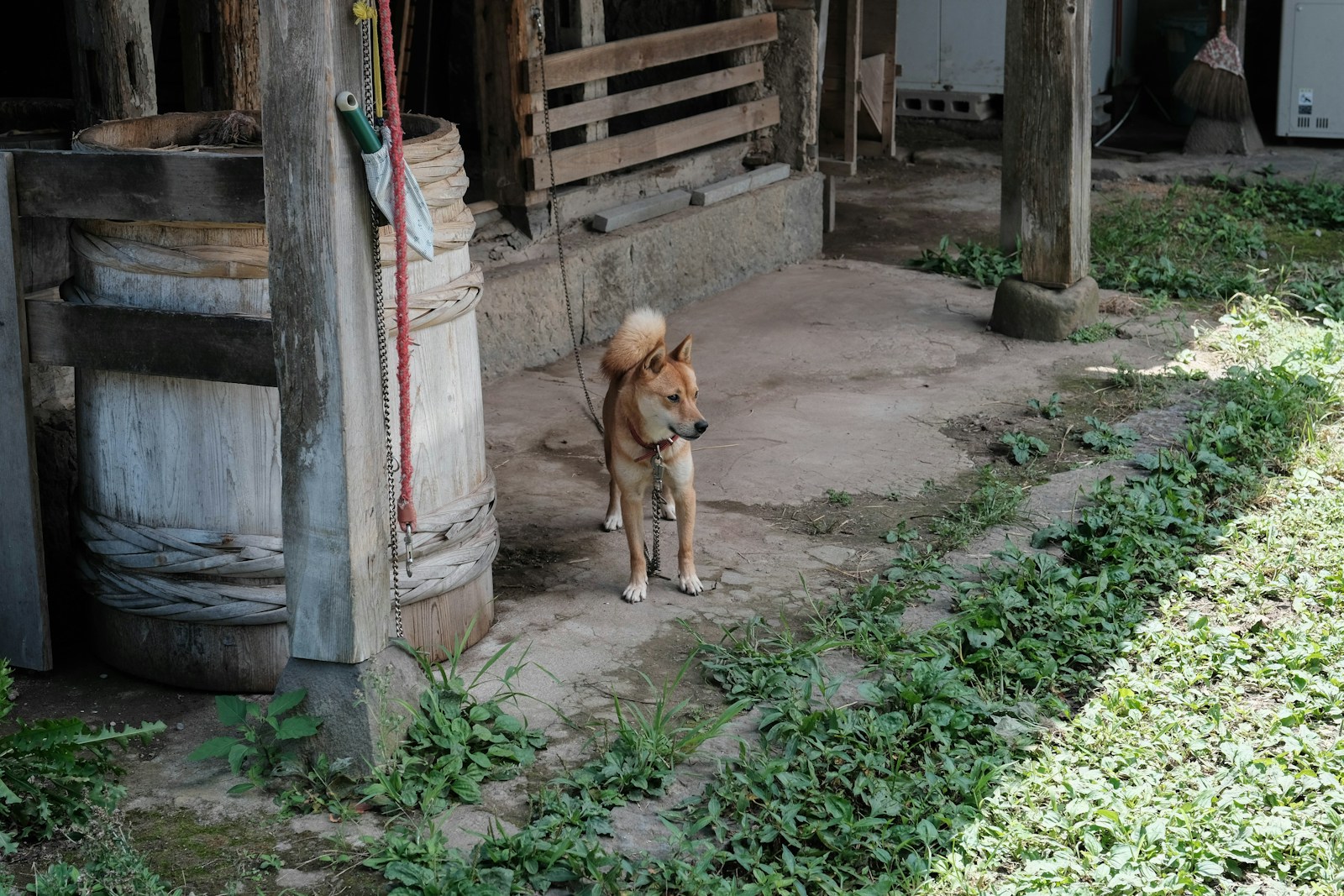
From real rescues where a Dog is pulled from a tight gap beside a shed to viral clips of escape‑artist pets working door locks, recent cases show how intensely dogs can fixate on small structures at the edge of a property. Understanding why a dog would guard a shed so fiercely, and what might be waiting behind that door, starts with looking closely at how dogs respond to fear, confinement, and valuable “resources” they feel compelled to defend.
The Dog Who Would Not Leave the Shed
Imagine a medium‑sized mixed‑breed dog pacing a narrow strip of yard, body angled protectively toward a weathered shed. Each time a person approaches, the dog stiffens, plants its feet, and barks in short, urgent bursts, blocking the path as if the building itself were under siege. Neighbors might assume aggression, but the posture is closer to a frantic warning, the kind of behavior seen when a dog knows something is wrong behind a barrier and has no other way to communicate it.
Real‑world rescues show how often that instinct is tied to cramped spaces around outbuildings. In one widely shared clip, a Dog is pulled out after getting wedged between a home and a shed, its body pressed so tightly that rescuers have to work inch by inch to free it. A second version of the same footage confirms the same Dog pinned in the same narrow channel. When an animal has seen or experienced that kind of entrapment, a shed stops being a neutral storage space and becomes a focal point of anxiety, which can explain why a dog might refuse to let anyone near it until the door is opened and the threat is resolved.
Fear, Strangers, and a Backyard “No‑Go Zone”
When a dog blocks access to a shed, the reaction often intensifies around unfamiliar people. Many dogs are naturally wary of strangers, and that baseline caution can spike into full‑blown alarm if they feel cornered or responsible for guarding a specific area. Guidance from behavior specialists notes that Many dogs are fearful around people they do not know well, and Some owners mistakenly assume that fear always means a history of abuse. In reality, genetics, limited socialization, and past discomfort in similar environments can all prime a dog to treat a backyard corner as a personal red zone.
That fear can become highly selective. Behavioral research on how Dogs single out individuals notes that a Past Traumatic Experience with one person or type of person can lead to aggression or avoidance directed at that specific trigger. If a frightening event once happened near the shed with a particular visitor, the dog may now treat every approach by a similar stranger as a replay of that threat, barking, lunging, or body‑blocking the door in a bid to keep history from repeating itself.
When Guarding Crosses Into Resource Protection
Not every shed standoff is about fear. Sometimes the structure hides something the dog values, from a favorite toy to a stash of food or even a small animal it has cornered. Trainers describe this as resource guarding, a pattern where a dog positions its body between a valued item and anyone who might take it. Educational material on how to stop guarding explains that if a dog protects food, toys, or any other object it values, owners need a clear plan to change that pattern, a point reinforced in a widely viewed guide shared in Jun.
Veterinary behavior analysis breaks down Why It Happens into several drivers. One is an Instinctive urge rooted in ancestral behavior to protect limited resources from competitors. Another is Anxiety and past scarcity, where dogs that once struggled to access food or safe resting spots become hyper‑vigilant about anything they perceive as “theirs.” A shed that contains stored kibble, bones, or bedding can easily become the epicenter of that guarding, with the dog treating every step toward the door as a potential theft.
From Growls to “Do Not Enter”: Escalating Warning Signs
Owners often miss the early signals that a dog is turning a shed or yard corner into a guarded resource. At first, the animal may simply stand closer to the structure, freeze briefly when someone walks by, or give a low growl that is easy to dismiss. Over time, if those warnings are ignored or punished, the dog may skip straight to more intense reactions, snapping or charging when a person reaches for the handle. One foster support guide notes that Dogs may guard items only from people, only from other dogs, or from both, and that If the dog feels someone is about to take the item, they may show guarding behavior that can quickly intensify.
Firsthand accounts from overwhelmed owners show how quickly that escalation can become dangerous. In one widely discussed case, a guardian described Sudden biting and attacks without warning, explaining that There was no more growling or teeth baring, only straight‑to‑attack responses when someone neared the dog’s chosen spot. The same account lists specific Triggers in the environment, including people walking past a guarded area, that would set off the reaction. When that “do not enter” zone is a shed, the risk is obvious: anyone who opens the door without understanding the dog’s history may be stepping directly into the blast radius of a behavior problem that has been building for months.
What Might Be Hiding Behind the Door
In some cases, the mystery behind a guarded shed door is heartbreakingly literal. The same kind of narrow gap that trapped the Dog between a house and a shed in the New York rescue video can exist behind or beneath a backyard outbuilding, turning it into a hazard for smaller animals. A dog that has seen a companion or prey animal disappear into that space may fixate on the entrance, barking and blocking as if trying to keep anyone else from suffering the same fate. The intensity of that focus can look like aggression, but it is often closer to panic.
Other times, the shed hides something the dog has claimed. Foster guidance notes that If the dog believes a person or another animal might take an item, they may show guarding behavior around that object, and a cluttered shed is an ideal place for a dog to stash chewed bones, toys, or even stolen household items. For a dog that has known scarcity, a stack of food bags or bedding inside the shed can feel like a private vault. Until the door is opened and the contents are safely managed, the animal may treat every approach as a direct threat to its survival strategy, which explains why it will not let anyone near the structure.
Canine Ingenuity: When Dogs Work the Door Themselves
Not every shed story is about a dog blocking humans; some are about dogs figuring out how to open doors on their own. In one account shared in Jan, staff describe a very smart dog that got out of its kennel, the pugnacious pooch making a break for it once the kennel closed and manipulating the latch to escape. That kind of problem‑solving does not appear overnight; it reflects a dog that has spent long periods studying how barriers work and experimenting with its paws and teeth.
Another clip from Jan shows a dog in a US shelter pulling off an impressive escape, managing to unlock his own kennel before opening the shelter door. A related Dog escape story describes the animal working the mechanism on a locked door with its mouth, then slipping through once it swings open. When a dog that clever fixates on a backyard shed, it is reasonable to suspect it has already tested the handle, learned how the latch feels, and may be waiting for the right moment to open the door itself if humans do not act first.
From Shelter Escapes to Backyard Mysteries
Recent shelter footage underscores just how far a determined dog will go to reach what it considers home or safety. In one widely circulated Video, a dog at Huntington Cabell Wayne Animal Shelter works at a lock until it turns, then trots out of the building and runs home. The Huntington Cabell Wayne clip shows the dog using its mouth and paws with deliberate precision, a reminder that many pets understand doors and locks far better than their owners realize.
Another case describes how, at about 2:30 a.m., a shelter dog named Dawson escaped from his gated enclosure and then used his teeth to open the front door of an animal shelter in West Virginia, slipping quietly into the night. When dogs with that level of determination and skill are placed in homes with unsecured sheds, it is not hard to imagine them treating the outbuilding as either a potential escape route or a fallback den. A dog that will not let anyone near the shed may be guarding not just objects or memories, but a carefully scouted path to freedom that it is not ready to share.
Why Some Dogs Trust One Person With the Door
In many households, there is a striking pattern: the dog that blocks everyone else from the shed will step aside for one specific person. Behavioral analysis of how Past Traumatic Experience shapes canine preferences notes that dogs may display aggression or fear toward a person if they have had a negative experience with them or with someone similar. The flip side is also true: a dog that has consistently been soothed and protected by one individual is more likely to allow that person into its most guarded spaces, including a shed it treats as off‑limits to everyone else.
That selective trust can be misread as stubbornness or favoritism, but it is often a survival strategy. When a dog has learned that only one human listens to its early warning signs, it may reserve cooperation for that person alone. In a backyard shed scenario, that might mean the dog will continue to block neighbors, delivery workers, or even other family members, yet quietly step aside when its chosen person reaches for the handle. Recognizing that pattern is crucial, because it suggests that the safest way to open the door is to work through the trusted individual rather than forcing the issue and risking a defensive bite.
Opening the Shed Safely, and What Happens Next
By the time someone decides to open a shed that a dog has been guarding, the situation is already charged. The safest approach is to assume both fear and resource guarding may be in play. Training resources on how to stop guarding, including detailed walkthroughs shared in How‑to videos, emphasize working at a distance where the dog is still calm, pairing each step toward the door with high‑value treats, and never punishing growls or early warnings. If the dog’s history includes intense reactions, professional help is not optional; it is a basic safety measure.
Once the door swings open, what is revealed can range from a trapped animal to a pile of hoarded objects, or simply an empty, dusty space that has become a symbol of past stress. Whatever is inside, the next steps should focus on reducing the shed’s emotional charge. That can mean securing food in sealed containers, blocking access to dangerous gaps like the one that trapped the Dog beside the shed in New York, and gradually teaching the dog that the structure is no longer a site of scarcity or danger. When that work is done well, the animal that once would not let anyone near the shed can eventually walk past it without a second glance, proof that even the most intense guarding behavior can be reshaped with patience and informed care.
More from Willow and Hearth:
Leave a Reply