Fast food workers are trained to smile, chat and keep the line moving, but one employee says that same upbeat attitude landed them a formal write-up for being “too friendly.” Their story taps into a growing tension in service jobs, where workers are expected to perform warmth on command while navigating strict corporate rules and wildly different customer expectations. It also exposes how easily that emotional labor can be punished instead of rewarded when managers, policies and guests are not on the same page.
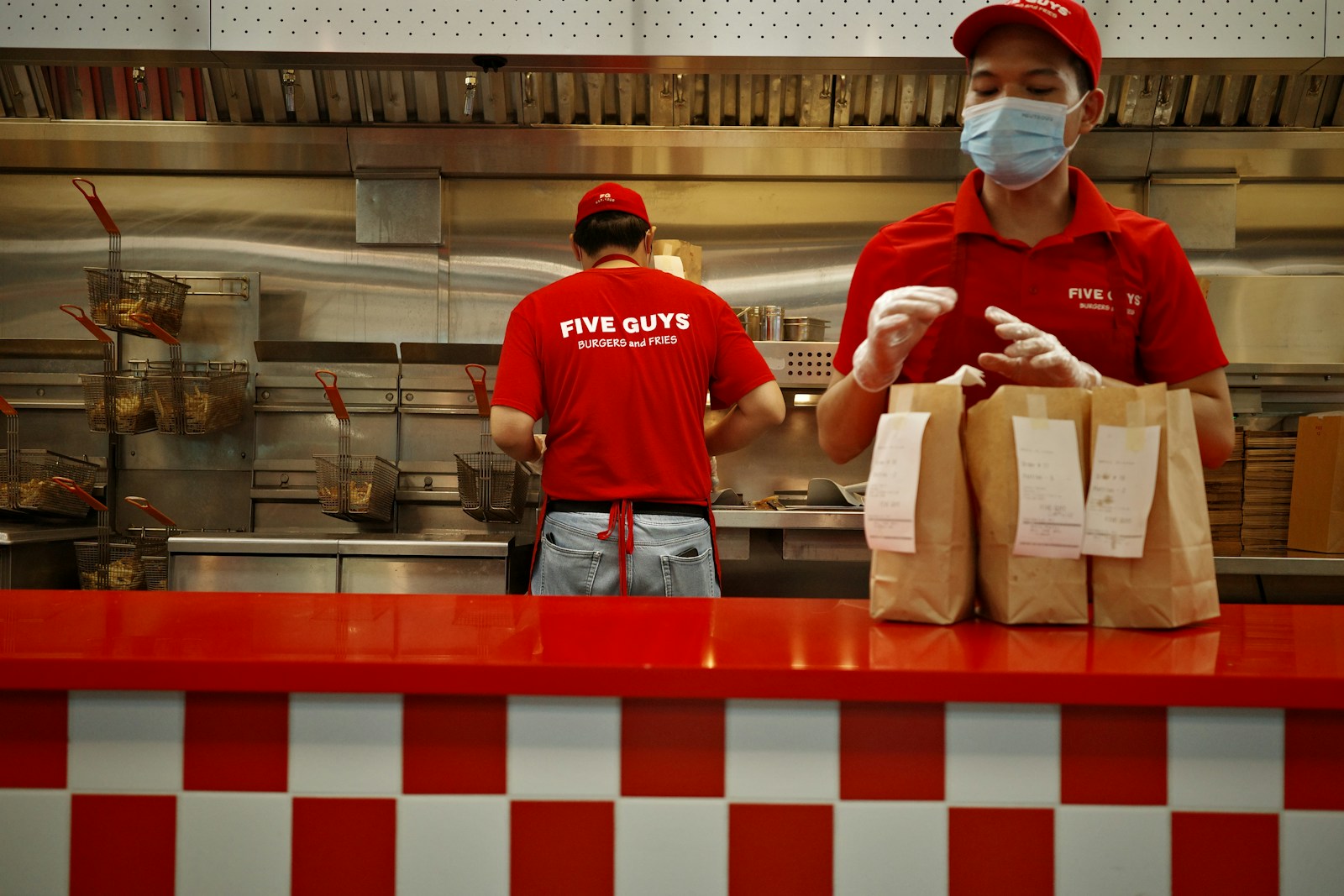
Across drive-thrus, coffee bars and burger counters, employees describe a confusing mix of demands: greet every guest, make small talk, personalize the experience, but do it quickly, consistently and without ever making anyone uncomfortable. When friendliness is scripted and monitored, a worker can be scolded for sounding robotic one day and reprimanded for sounding too personal the next, leaving many to wonder what kind of “good attitude” actually counts.
The Write-Up That Sparked A Backlash
The fast food worker at the center of this debate describes a familiar routine: greeting customers with a big smile, cracking light jokes and trying to brighten a few minutes of someone’s day. According to their account, a manager pulled them aside after a customer complained that the interaction felt excessive, then issued a written warning that framed their upbeat tone as unprofessional. For a job that constantly advertises “friendly service,” being disciplined for warmth felt like a betrayal of the very standard they had been told to meet.
That contradiction resonated with other service workers who have seen how quickly management can turn on employees for minor deviations from an unwritten script. In one Burger King case, staff arrived to find a blunt note from a supervisor telling them not to come in on their day off, a message that, as one person put it, made them Imagine how little their time was valued. The fast food worker who was written up for being too friendly is dealing with the same core problem: a workplace that demands emotional effort but treats that effort as disposable the moment it becomes inconvenient.
When “Friendly” Becomes A Job Requirement
In modern fast food and coffee chains, friendliness is not just encouraged, it is mandated and measured. Workers describe being trained to greet every guest within seconds, maintain eye contact, use the customer’s name and keep a cheerful tone, even when the person on the other side of the counter barely looks up. One barista explained that staff are explicitly told they are “forced to welcome you in, make smalltalk with you, and write on your cup,” a reminder that the smile and chatty banter many customers enjoy are not spontaneous quirks but part of a tightly controlled script.
That same barista urged customers to remember that “Your baristas are amazing people” who are following rules they did not write, not overstepping out of personal nosiness, when they greet and chat as required by corporate policy. Their psa captures the bind that the written-up fast food worker likely faced: if they had dialed back the friendliness, they risked criticism for poor customer service, yet leaning into the required script left them vulnerable to complaints that they were too enthusiastic.
Customers Who Reward Warmth – And Those Who Don’t
Customer reactions to this kind of scripted friendliness are sharply divided, which helps explain how a worker can be praised one shift and punished the next. Some guests light up when an employee remembers their usual order or offers a quick joke, and those interactions can turn a routine stop into a bright spot in the day. Others, however, arrive already stressed or distracted, and any attempt at small talk feels like an intrusion, especially when they are focused on speed or privacy.
One fast food employee described starting every interaction with a warm greeting, then deliberately scaling back if a customer would not even say hello, deciding that if someone could not manage a basic response, they would “stop being so friendly” and focus on efficiency instead. Their story, shared through a fast-food worker account, shows how employees constantly read social cues and adjust their tone in real time. The worker who was written up for being too friendly may simply have misjudged one customer’s mood, yet in a system that treats every complaint as a potential liability, that single misalignment was enough to trigger formal discipline.
Inside The Emotional Labor Of Fast Food
Behind the counter, emotional labor is as real as the physical work of assembling orders and cleaning equipment. Workers are expected to absorb irritation, defuse tension and project calm, even when they are short staffed or dealing with technical problems. One commenter in a discussion about drive-thru delays noted that “Sometimes it’s better to let them think that the ‘new girl’ is holding up the line rather than admit” that the restaurant’s systems are the real bottleneck, because customers cannot cope with the idea that the problem is bigger than one person.
That same thread urged people to “Kill them with kindness” while acknowledging that the industry is “hard for sure,” a frank admission that the constant pressure to stay upbeat can wear anyone down. The fast food worker who faced a write-up for excessive friendliness was performing exactly that kind of emotional smoothing, only to discover that their effort could be reframed as a liability. The Sometimes comment underscores how much of that emotional work is invisible until something goes wrong and someone looks for a person to blame.
When A Complaint Changes A Career
For workers whose performance is tracked through customer surveys and manager observations, a single complaint can reshape how they approach the job. One barista recalled getting a formal complaint for “being too friendly,” which they said “literally changed” how they interacted with customers. Instead of chatting freely, they began to hold back, calibrating every comment and smile to avoid crossing an invisible line that one guest had decided they breached.
That barista, who posted under the name TheBoisterousBoy, responded by creating a personal rulebook: “Immediately get to know the people you’ll be working with, as much as you can,” they advised, emphasizing that coworkers, not customers, would be the ones to support them when things went wrong. Their reflection, shared in a Jun discussion, shows how a single negative interaction can push a worker to protect themselves by narrowing the emotional range they bring to the counter. The fast food employee who was written up for being too friendly is likely making similar calculations now, deciding how much of their personality is safe to show at work.
Corporate Scripts Versus Human Connection
Fast food chains invest heavily in standardized greetings and service scripts, promising customers the same experience whether they are in a suburban drive-thru or a downtown mall. Those scripts often include specific phrases, required questions and even instructions on how long to hold eye contact, all in the name of consistency. Yet the more rigid the script, the more it can clash with the messy reality of human interaction, where tone, timing and context matter as much as the words themselves.
The Burger King staff who found a curt note from their boss telling them not to come in on their day off saw how impersonal directives can feel when they are delivered without empathy. The message, which one person summarized with the single word “Apparently” scrawled on the side of the manager’s note, highlighted how little room there was for conversation or nuance in that workplace. In the same way, the fast food worker disciplined for being too friendly collided with a system that treats both warmth and coldness as potential violations, depending on who is watching. When friendliness is reduced to a checkbox, any deviation, even in the direction of extra kindness, can be treated as a problem rather than a strength.
When Friendliness Goes Viral Instead Of Getting Punished
The uneven treatment of friendly workers becomes even clearer when compared with cases where the same behavior is celebrated. In one widely shared video, a young fast food worker at a drive-thru became an online favorite for his relentlessly positive demeanor, greeting every car with infectious enthusiasm. Commenters called him “Literally the most positive person, rain or shine,” praising the way he turned a routine transaction into a moment of genuine connection and saying they were glad he was finally getting recognition.
That viral clip, highlighted by a Literally the glowing reactions, shows how the same traits that earn one worker a write-up can make another a minor celebrity. The difference often comes down to context: a camera capturing a cheerful exchange, a customer in a good mood, a manager eager for positive publicity. For the employee who was reprimanded for being too friendly, there was no viral video, only a complaint form and a supervisor who saw risk instead of opportunity in their outgoing style.
How Workers Adapt To Mixed Messages
Faced with inconsistent expectations, many fast food employees develop their own survival strategies. Some, like the worker who stops being chatty when a customer will not say hello, treat friendliness as a dial they can turn up or down depending on the signals they get. Others, like TheBoisterousBoy, invest more in relationships with coworkers than with guests, reasoning that colleagues are more likely to appreciate their personality without filing a complaint. Over time, these adaptations can make front-line staff more guarded, even as corporate training materials continue to preach unflagging cheerfulness.
The barista who warned that “Your baristas are amazing people” but are required to make small talk captured a broader shift: employees are increasingly transparent about the emotional cost of their jobs, and less willing to pretend that every smile is effortless. The fast food worker written up for being too friendly is part of that emerging narrative, one where workers push back against the idea that they must absorb every mood swing and misinterpretation without protection. Their experience, echoed in stories about blunt notes that make staff Apparently feel disposable, suggests that emotional safety is becoming as important a workplace issue as scheduling or pay.
What “Too Friendly” Really Says About The Job
Labeling a worker “too friendly” is less about their personality and more about the contradictions built into service work. Employers want staff who can charm customers, defuse tension and create memorable experiences, but they also want strict control over how that charm is expressed. Customers, for their part, bring their own boundaries, biases and moods to the counter, which means the same greeting can feel delightful to one person and invasive to another. When a complaint tips the balance, it is usually the worker, not the policy, who takes the hit.
The stories of the written-up fast food employee, the barista who changed their approach after a complaint, the worker who quietly dials back their warmth when a customer will not say hello and the drive-thru star praised as “Literally the most positive person” all point to the same conclusion: the job demands emotional flexibility that is rarely acknowledged or fairly rewarded. Until managers and companies recognize that reality, workers will keep walking a narrow line between being friendly enough to satisfy the script and restrained enough to avoid being told they cared too much.
More from Willow and Hearth:
Leave a Reply