Hotel rooms are designed to feel anonymous, but the stories that spill out after checkout are anything but. From forgotten luxury handbags to live animals and unmentionable photo stashes, staff and guests keep encountering scenes that sound more like movie plots than real life. The most surreal part is how routine these discoveries have become for the people who clean up the mess.
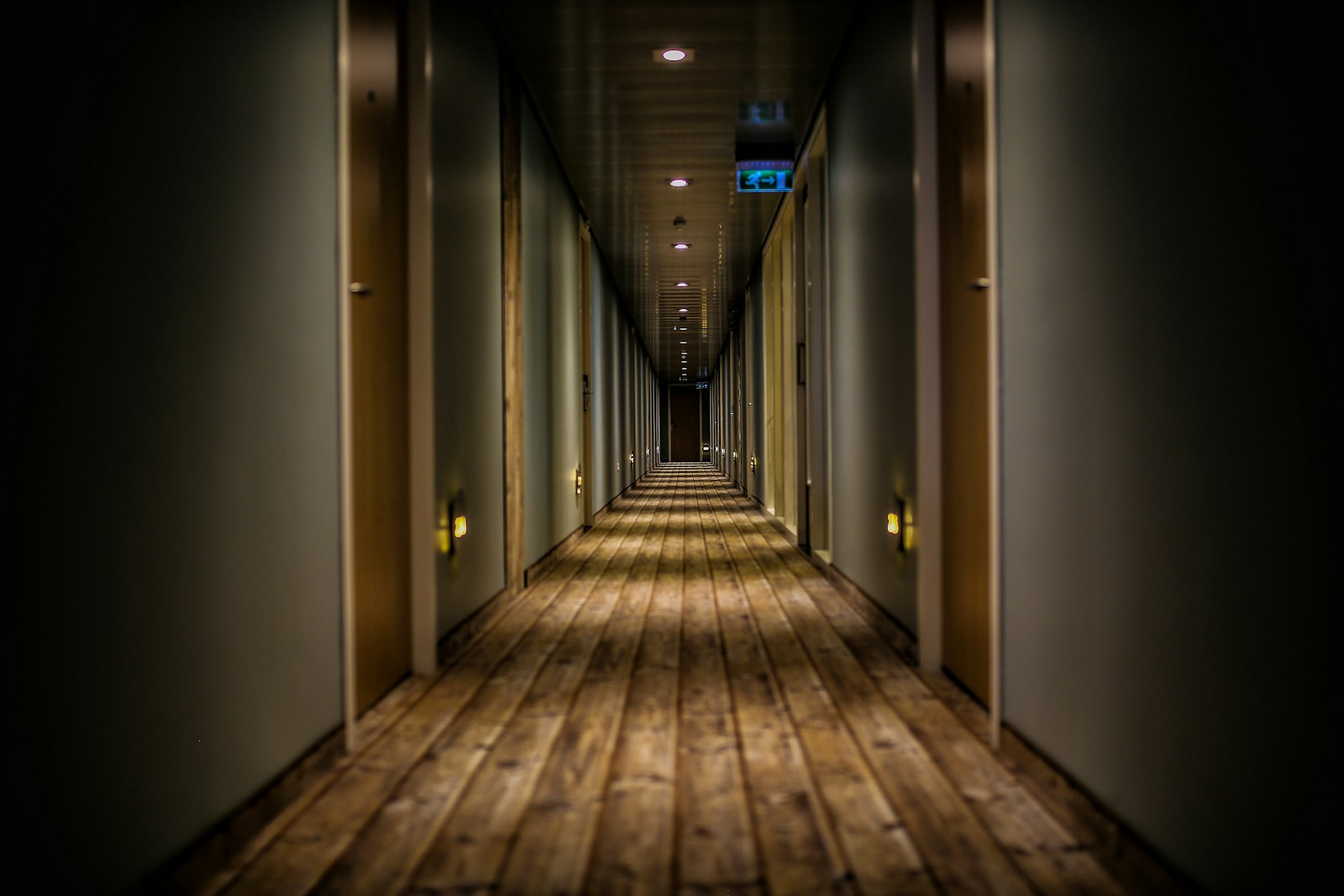
Across online forums and industry reports, workers describe a parallel universe behind the “Do Not Disturb” sign, where everyday travelers leave behind dentures, rice cookers, and even entire drug setups. Their accounts reveal not only what people pack, but what they are willing to abandon, and how hotel employees quietly absorb the shock so the next guest never knows what came before.
The Secret Life Of Hotel Rooms After Checkout
To most travelers, a hotel room is a temporary refuge that vanishes from memory as soon as the key card is dropped at the front desk. For the staff who enter that same room minutes later, it is a crime scene of habits, secrets, and sometimes outright chaos. Housekeepers describe opening the door to find half-finished meals, rearranged furniture, and personal items that suggest an entire life was briefly unpacked and then abruptly abandoned.
What makes these spaces so ripe for bizarre discoveries is the combination of privacy and transience. Guests treat the room as both a private apartment and a place they will never see again, which can encourage riskier behavior and sloppier packing. When the door finally swings open for cleaning, workers are left to sort through everything from expensive electronics to intimate items that no one wants to claim, a pattern that shows up repeatedly in staff accounts and lost-and-found tallies.
What Housekeepers Really Find When Guests Leave
Cleaning staff often become reluctant archivists of other people’s lives, piecing together stories from what is left behind. In one widely shared set of accounts, employees described discovering Polaroids of a threesome hidden under a mattress, a detail that illustrates how guests sometimes stash deeply personal items in places they assume no one will ever check, only for those items to surface during routine turnover. The same thread included reports of rooms so thoroughly trashed that workers had to document the damage before they could even begin cleaning.
Other workers in that discussion recalled walking into suites that looked untouched, only to find drawers filled with prescription bottles, sex toys, or carefully folded clothing that the guest never came back for. The pattern suggests that people underestimate how often they misplace or forget items in the rush to catch a flight or make checkout time, leaving staff to catalog everything from sentimental keepsakes to objects that are awkward to log in any official system, as described in the shared experiences on hotel employees.
Lost And Found: From Dentures To Designer Bags
Beyond the shock factor, the lost-and-found bins at many properties read like a cross between a medical supply closet and a luxury boutique. One report on forgotten belongings highlighted dentures, a rice cooker, and a Birkin bag in the same breath, underscoring how guests can leave behind both essential medical items and ultra high-end accessories. The mention of dentures suggests older or medically vulnerable travelers are at risk of losing critical devices, while the rice cooker hints at guests who bring their own cooking gear to maintain specific diets or save money.
The Birkin reference, tied to a list of unusual finds that also included construction pipes and leg casts, shows how even items worth thousands of dollars can be abandoned in the scramble to check out. Staff are then responsible for securing these valuables, tracking down owners, and navigating the awkwardness of explaining that someone forgot a piece of medical equipment or a status-symbol handbag. The sheer range of items, from dentures to designer goods, captures how hotels quietly manage both the practical and the absurd.
When The Weird Turns Dangerous
Not every strange discovery is harmless or funny. Front desk workers and housekeepers sometimes walk into rooms that double as makeshift drug labs or party dens, with serious safety implications. In one online thread about the “weirdest thing left behind,” a user identified as Apr described a colleague who opened a door to find a massive bag of meth and a meth-dusted room, with residue on surfaces and a lingering chemical smell. The description of “every surface” coated in powder hints at how thoroughly some guests transform a standard room into a high-risk environment.
Other contributors in the same discussion mentioned “really gnarly porn mags” and other explicit materials scattered across beds and floors, which, while less dangerous, still create uncomfortable and potentially unsafe working conditions for staff. The account of the meth-dusted room, shared by Apr and echoed by another user named She, illustrates how hotel employees can be thrust into situations that border on criminal investigations, all while they are technically just there to change sheets and restock towels, as seen in the stories collected on TalesFromTheFrontDesk.
Unexpected Pets And Living “Souvenirs”
Among the most unsettling finds are the ones that move. Reports of forgotten animals in hotel rooms are surprisingly common, ranging from small reptiles to birds that clearly did not check in at the front desk. One summary of unusual items described a pet lizard left behind, along with a live chick, both discovered after guests had already departed. The presence of a live chick suggests someone either smuggled a farm animal into their room or purchased it locally and then abandoned it when travel plans changed.
These cases raise ethical and logistical questions for staff, who suddenly become emergency animal caretakers. The same report that mentioned the lizard and chick also noted a person seen walking through a property with a fish bowl, a detail that hints at how casually some guests transport living creatures through public spaces. For hotels, this means dealing not only with policy violations but also with the welfare of animals that were never supposed to be there in the first place, as highlighted in the account of a pet lizard and chick.
Luxury, Status, And The Things People Forget
While some guests sneak in animals or contraband, others simply misplace symbols of wealth. The same reporting that cataloged dentures and a rice cooker also listed a Birkin bag among the most memorable forgotten items, a reminder that even the most coveted accessories are not immune to human error. A Birkin is often treated as an investment piece, yet it can still end up sitting in a hotel safe, waiting for an owner who may not realize it is missing until long after checkout.
Staff accounts of expensive watches, handbags, and high-end electronics left behind suggest that the anonymity of hotels can dull people’s sense of responsibility. When everything in the room feels temporary, even valuable possessions can blend into the background. Some properties respond by tightening inventory procedures and training staff to immediately log any luxury item, whether it is a Birkin or a premium gadget, so that the hotel is not blamed if the owner later claims it was stolen rather than forgotten, a concern that surfaces in discussions of expensive watches and handbags.
The Psychology Behind Bizarre Hotel Behavior
Psychologists often point to the “liminal” nature of hotels, spaces that are neither home nor fully public, as a key reason guests behave differently once the door closes. The knowledge that staff will clean up afterward can encourage people to push boundaries, whether that means rearranging furniture, leaving trash everywhere, or engaging in activities they would never attempt in their own living room. The anonymity of a room that hundreds of strangers have used before can make it feel like nothing that happens there is truly personal or permanent.
That mindset helps explain why guests might hide Polaroids under a mattress, leave behind a rice cooker, or walk away from a bag of meth without returning to claim it. The room becomes a stage for experimentation, and the checkout time is the curtain drop, after which everything is someone else’s problem. Even the choice of what to bring, from dentures to a pet lizard, reflects how people try to recreate home comforts in a transient space, only to discover that the rush of travel makes it easy to forget what they carried in.
How Hotels Quietly Manage The Chaos
Behind the scenes, hotels rely on strict protocols to turn these surreal discoveries into manageable paperwork. Most properties maintain detailed lost-and-found logs, with staff required to record the date, room number, and description of each item, whether it is a pair of dentures or a designer handbag. High-value items are often locked in a safe, while perishable or hazardous materials are disposed of according to internal rules that balance guest privacy with safety and legal obligations.
Technology is also reshaping how hotels track and return belongings. Some chains now use digital inventory systems that allow staff to photograph items and attach them to a guest profile, while others experiment with shipping partnerships that make it easier to mail forgotten goods back home. Even product databases and search tools, similar to those used in online retail listings for a single product, mirror the kind of cataloging that large properties use internally to keep track of what guests leave behind.
Why These Stories Keep Spreading Online
The reason tales of forgotten dentures, live chicks, and meth-dusted rooms travel so far online is that they tap into a shared curiosity about what happens when the door closes on a space everyone recognizes. Workers and guests alike turn to social platforms and comment threads to swap stories, partly as a coping mechanism and partly because the contrast between a polished lobby and a chaotic room is inherently compelling. These narratives offer a rare glimpse into the hidden side of travel, where the bland uniformity of hotel decor masks wildly different human dramas.
As more employees share their experiences, from Polaroids under mattresses to massive bags of drugs, readers begin to see hotels less as neutral backdrops and more as archives of fleeting, sometimes reckless behavior. The stories resonate because they confirm a suspicion many travelers already have: that their room has seen things they would never imagine, and that somewhere, a housekeeper or front desk worker is quietly adding another bizarre entry to an already crowded mental file.
More from Willow and Hearth:
Leave a Reply