Retail workers are used to handling messy situations, but every so often a return is so filthy and brazen that it becomes the story they tell for years. One such worker says a customer marched up to the counter with a children’s toy that looked like it had been through a bonfire and a trash can, then insisted it was “defective” from day one. The encounter, which centered on a visibly damaged stuffed animal that reeked of smoke and neglect, has become a shorthand example of how far some shoppers will push store policies.
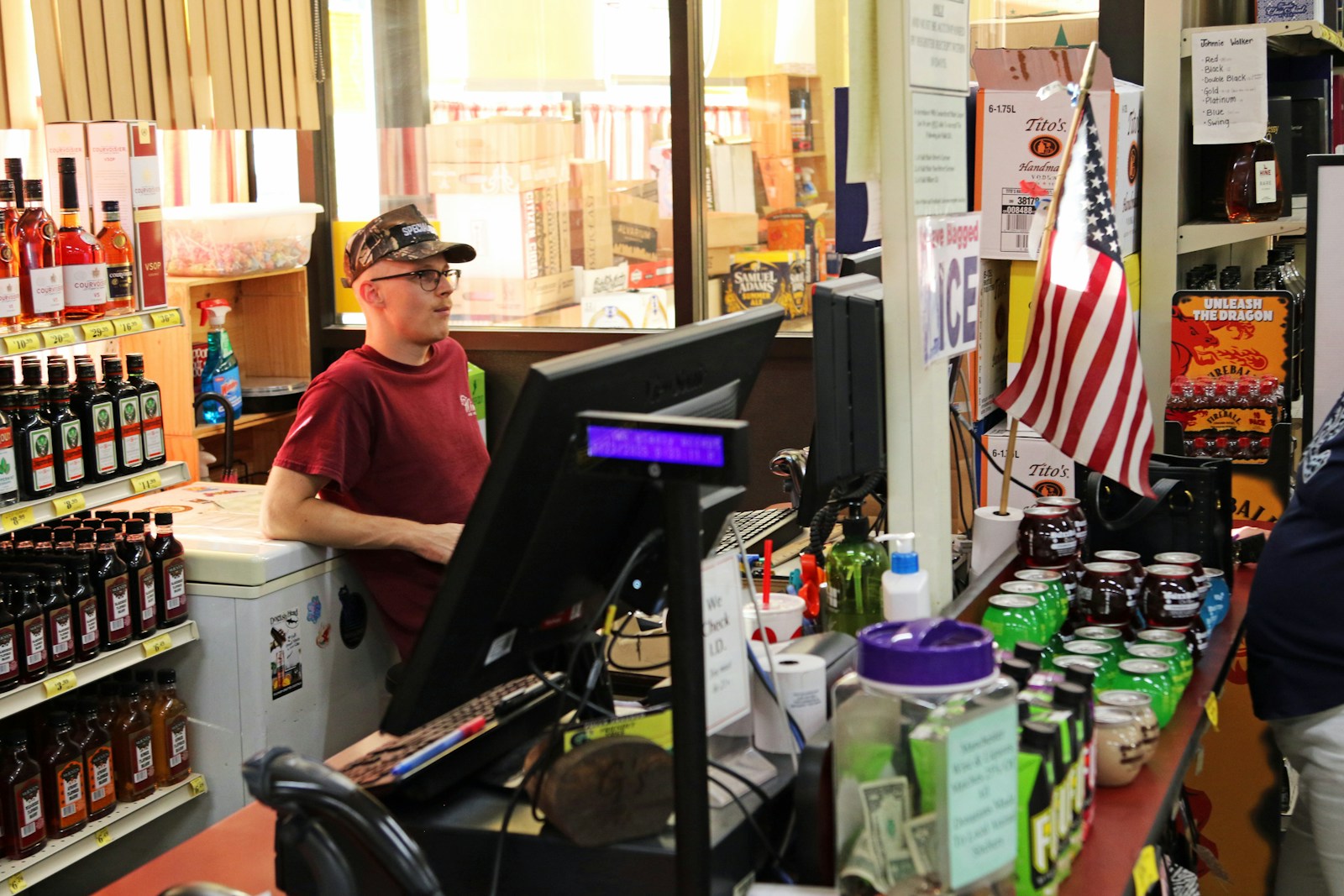
That single disgusting item, and the argument that followed, captures a wider tension in modern retail: generous guarantees colliding with customers who treat stores like rental services. From cigarette-burned plushies to vomit-soaked baby gear and stained clothing, frontline staff are increasingly forced to decide where hygiene, safety and basic fairness should override the mantra that the customer is always right.
The Stuffed Animal That Came Back Reeking Of Smoke
The worker’s story starts with what should have been a routine children’s return. A parent arrived at the counter clutching a plush toy that was discolored, smelled strongly of cigarettes and had a charred hole singed into its side. The shopper insisted the toy had “come like that,” claiming it was a manufacturing flaw rather than the result of home damage. According to the employee, they could “guarantee 100%” the stuffed animal had left the shelf in perfect condition, because they personally handled the display and knew how carefully the store inspected kids’ products before sale.
In an online thread where retail staff traded war stories, one worker described how a customer Tried to bring back a stuffed animal with a very obvious cigarette burn, insisting it had arrived that way despite the employee’s certainty it had not. The description matches the worker’s account of the toy that smelled like an ashtray and looked as if someone had stubbed out a lit cigarette on its fur. Faced with a customer who refused to acknowledge the damage, the staffer had to weigh the store’s promise to stand behind its products against the reality that no retailer can reasonably be responsible for what happens in a smoker’s living room.
When “Used” Crosses The Line Into “Unhygienic”
The stuffed animal incident is not an outlier so much as an extreme example of a broader pattern. Retail workers across sectors describe customers returning items that are not just used, but actively unsanitary, then demanding a full refund as if nothing were wrong. The common thread is a refusal to accept that bodily fluids, burns or heavy wear transform a product into something that cannot ethically be resold or even safely handled without gloves.
On a forum discussion about extreme returns, one contributor recounted a Guy who tried to return his baby’s vomit-covered car seat at a Target guest service counter, despite clear Store rules about hygiene and safety. In another thread focused on automotive parts, a worker described how, In the automotive industry, people routinely attempt to bring back very used parts for full credit, including one customer who returned a filthy axle and claimed it was “the wrong one” only after clearly installing and driving on it. These examples echo the stuffed toy saga: once an item is soaked, burned or heavily worn, the line between “used” and “unacceptable” is no longer blurry.
The Clothing Return That Went Viral
While some disgusting returns stay confined to staff break-room lore, others spill onto social media and ignite public debate. In early January, a store owner shared images of clothing that had been worn, stained and then brought back as if it were brand new. The garments, which appeared stretched and visibly dirty, were presented at the counter with a straight face and a demand for a refund, prompting the owner to document the attempt online.
A viral post highlighted how a Customer Put worn clothing on the counter and was then put on Blast by a Store Owner for Trying to Return items that were described as “disgusting.” The images showed garments that no reasonable shopper could mistake for unworn stock, yet the customer reportedly insisted they had only been tried on briefly. The reaction mirrored what many workers felt about the burned stuffed animal: frustration that basic cleanliness and honesty had become negotiable in the name of squeezing value from a return policy.
Inside The Boutique Standoff Over A Receipt-Less Return
Not every messy return is physically dirty; some are messy because the story behind them does not add up. At a small boutique, an employee recently faced a customer who was absolutely certain they had bought an item there, even though the store’s system showed no record of the purchase. The shopper arrived without a receipt, insisted the product had been defective from the start and grew increasingly hostile when staff could not find any matching transaction.
The worker later described how Customer confidence does not always equal customer truth, and how One employee was forced to confront a determined shopper whose story did not match the store’s records at all. The customer, denied a receipt-less return, reportedly stormed out while threatening bad reviews and reputational damage. Although there was no cigarette burn or bodily fluid involved, the dynamic was similar to the stuffed animal case: a shopper presenting a narrative that conflicted with clear evidence, then escalating when staff tried to uphold basic policy.
How Workers Are Told To Handle Abusive Returns
Frontline staff are rarely given full discretion to follow their instincts, even when a product is obviously ruined. Training materials typically emphasize empathy, de-escalation and strict adherence to written rules, which can leave workers feeling trapped between their own sense of fairness and a corporate script. In the case of the burned plush toy, the employee had to stay calm while explaining that a cigarette hole and smoke smell were not covered by any guarantee, even as the customer insisted the damage was the store’s fault.
Guidance shared with customer service professionals suggests a step-by-step approach when someone is clearly misusing a policy. One widely circulated answer advises staff to acknowledge the complaint, then apologize that the rules do not allow the return, and, if needed, involve a manager. The advice is explicit that workers should start with empathy, then move to boundaries, as in, Then you can try several things, including to Sincerely apologize that policy does not allow the return. In practice, that means the worker with the disgusting stuffed animal in hand is expected to stay polite, even as they decline to process a refund for something that looks like it came out of a dumpster.
Legal Backing For Saying “No”
Behind the counter, many workers worry that refusing a return, even a filthy one, could land them or their employer in legal trouble. In reality, business law in most jurisdictions gives stores considerable leeway to protect staff and other customers from unsafe or abusive behavior. The key is that any refusal must be based on conduct or policy violations, not on protected characteristics such as race, religion or disability.
Legal guidance notes that, in most cases, businesses can refuse service to customers who are disruptive, unsafe or clearly violating posted rules, as long as the decision does not conflict with federal, state or local discrimination laws. One overview explains that Dec guidance on refusal of service emphasizes that stores can turn away rude or unsafe customers if they apply their policies consistently. A related summary reiterates that In most cases, businesses can decline service when someone is disruptive or violating store policies, provided they avoid discriminatory motives. For the worker holding a smoke-damaged toy or a vomit-covered car seat, that legal backdrop can make it easier to say “no” without fear of crossing a line.
The Emotional Toll Of Handling “Horror Story” Returns
Beyond policy and law, there is the simple human reaction to handling items that are sticky, smelly or obviously contaminated. Retail workers describe a mix of disgust, embarrassment and surreal humor when they realize what a customer has just placed in their hands. The employee who accepted the burned stuffed animal recalls the moment the smell hit them, followed by the awkwardness of trying to keep a neutral expression while the customer insisted nothing was wrong.
Other workers have shared similarly visceral moments. In one widely shared account, an employee described picking up a small, warm object from a counter and thinking, “But I’m holding it, and I’m like wtf I KNOW what this is, it’s so familiar?” only to realize it was something no one expects to handle at work, prompting the line, But I KNOW what this is, And the horror set in. Another collection of retail horror stories repeats that same moment of dawning recognition, noting how KNOW and And the shock become part of the story itself. These anecdotes underline how handling disgusting returns is not just an inconvenience, it is a form of emotional labor that rarely shows up in job descriptions.
What Training Manuals Say About Rude Customers
When a customer is both unreasonable and rude, the challenge multiplies. Workers are expected to protect the company’s reputation, avoid escalation and still enforce policy, all while being insulted or threatened. In the burned stuffed animal case, the employee recalls the shopper raising their voice and accusing the store of “selling trash,” even as staff tried to explain that the damage clearly occurred after purchase.
Professional advice for service workers emphasizes structured responses in these situations. One career guide recommends that employees first stay calm, then loop in a supervisor before things spiral. It suggests that staff should Consult with a manager and Inform them about the interaction so they can intervene if necessary. Another answer on handling policy abuse reiterates that staff should be sympathetic but firm, echoing the earlier advice that they should Sincerely apologize while still declining improper returns. For the worker facing a customer who insists a cigarette-burned toy is “brand new,” that kind of backing can be the difference between a confrontation and a controlled, if tense, conversation.
Why These Stories Matter In A Changing Retail Economy
These disgusting and dishonest returns are playing out against a backdrop of shifting retail economics. Generous policies were designed in an era when margins could absorb occasional abuse, but rising costs and tighter competition are forcing stores to rethink how far they can bend. When a single ruined item must be written off, it is an annoyance; when patterns of abuse spread, they become a line item that affects pricing and staffing decisions.
Industry analysis of recent performance notes that The Retail Rundown shows how Retail Posts Late Year Gains even as Food Inflation Heats Up and Early 2026 opens with a mixed picture for consumer-facing businesses. In that environment, every loss from fraudulent or unhygienic returns matters more. Stores that once quietly accepted almost anything are now more likely to lean on legal rights to refuse service, documented policies and staff training that prioritizes safety and fairness over appeasing the loudest voice. For the worker who had to tell a customer that a smoke-damaged stuffed animal could not come back onto the shelf, that shift offers at least some reassurance that common sense still has a place at the returns desk.
Supporting sources: What was the, retail, what is, Boutique Employee Refused, How to handle, Retail workers, what, right to refuse, 5 Retail Workers, How To Deal, Customer Put on, 5 Retail Workers, Boutique Employee Refused, What was the, right to refuse, Retail Rundown: Retail.
More from Willow and Hearth:
Leave a Reply