The United States has stopped minting new one cent pieces, and the familiar copper-colored coin is now officially on its way out of daily commerce. Pennies remain legal tender and will circulate for years, but the shift has turned every kitchen coin jar into a small decision point about what to do next. Instead of letting those coins gather dust, households can turn them into cash, support charities, or even build creative projects with real staying power.
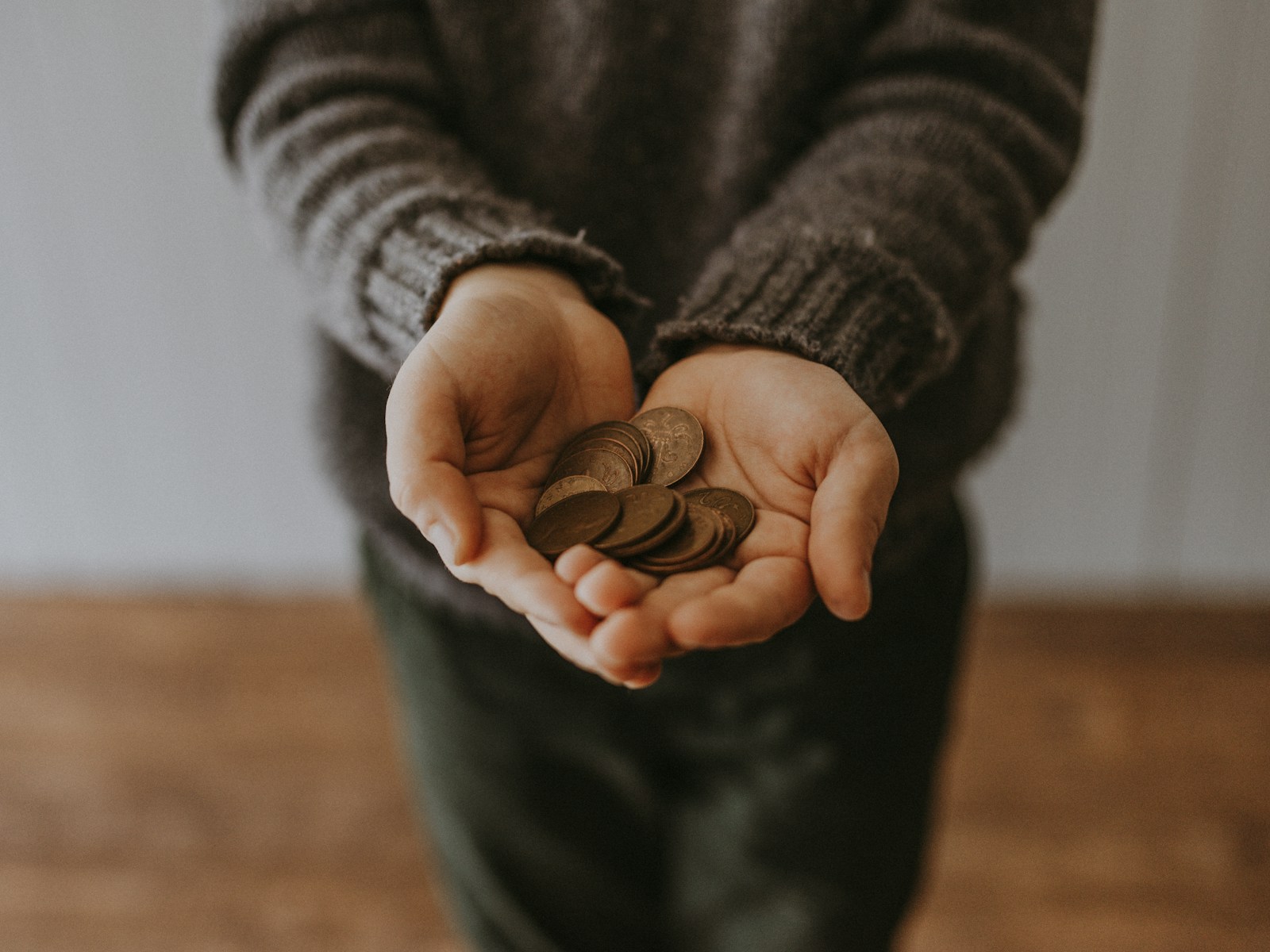
With the penny going away from production lines, the value of what is already in circulation is changing from a simple face amount to a mix of purchasing power, sentimental worth, and in some cases collectible potential. That makes this a good moment to sort, count, and plan, so those jars and drawers of change become something more useful than clutter.
1. Understand what “pennies going away” actually means
The first step is to be clear about what has changed. The federal government has halted new penny production after more than 233 years of striking the one cent coin, a shift that reflects how expensive it became to make a coin worth less than its manufacturing and handling costs. Analysts have noted that, depending on your point of view, the end of new minting is either a long overdue modernization or the loss of a small but familiar symbol of everyday cash transactions, yet the existing coins remain valid for payments and bank deposits as long as they stay in circulation, so there is no need to rush to spend them all at once, only a need to be deliberate.
Financial institutions have emphasized that Pennies are still legal tender and that there are billions of them in jars, drawers, and cash registers, so they will not vanish overnight even though the presses have stopped. Banks and community lenders that have been explaining the change to customers describe it as a gradual fade rather than a sudden disappearance, similar to how older designs of paper bills remain usable long after new versions arrive, which gives households time to decide whether to cash in, donate, or repurpose their coins.
2. Turn loose change into spendable cash
For many people, the most straightforward move is to convert jars of pennies into dollars that can be used or saved. Large banks, community banks, and credit unions often provide coin counting or coin exchange services, and guidance from consumer finance experts notes that Banks and credit unions typically offer free coin exchange for their own customers while charging small fees to noncustomers, which can make it worthwhile to call ahead and ask about policies before lugging in heavy bags of change. Some institutions ask customers to roll coins themselves, while others have lobby machines that count mixed coins and credit the total directly to an account.
Households that do not have a nearby branch with a coin counter can still turn pennies into cash through retail coin kiosks and local businesses. A separate review of coin cashing options points out that Most banks will accept coins for deposit from account holders, but some grocery stores and regional chains rely on third party machines that count coins for a percentage fee or in exchange for store credit. Another overview of coin exchange options notes that some local retailers still host coin counters or will accept rolled coins at the customer service desk, so checking online or calling ahead can prevent wasted trips and help people choose the most cost effective way to turn their pennies into usable funds.
3. Use Coinstar and similar kiosks strategically
Coin counting kiosks have become a familiar sight in supermarkets and big box stores, and they can be a fast way to empty a coin jar without sorting or rolling. Personal finance explainers note that as the penny fades from daily use, some consumers are choosing to bring jars of mixed coins to machines that convert them into cash vouchers or digital credits, a process that can be especially appealing for people who do not have a bank branch with a coin counter nearby. One widely used network of kiosks has also partnered with charities so that customers can direct their coins to nonprofit causes instead of taking cash, which can turn a jar of small change into a meaningful donation.
The company behind those machines highlights that its charity partners include organizations that provide food, shelter, and other support, and that customers can choose a specific nonprofit at the kiosk screen. A related page on the same site encourages people to Donate coins directly to these groups, describing how all of the participating nonprofits do important work and how the machines can turn small amounts of metal into practical help. For households that want to avoid service fees, some kiosks also offer the option to convert coins into retailer gift cards at no charge, which can be a way to preserve the full value of pennies while still clearing out clutter.
4. Check for rare or valuable pennies before cashing in
Before dumping every coin into a counting machine, it can be worth scanning for pieces that might be worth more than face value. Collectors and coin dealers have long paid premiums for certain dates, mint marks, and error coins, and the end of new penny production has renewed interest in older issues that could carry numismatic value. Consumer guidance on the topic advises people who suspect they might have something special to read up on their coins and to compare what they find in their jars with reference materials, since a single rare cent can be worth far more than a whole roll of ordinary ones.
One practical suggestion is to consult a current price guide such as 2026 Red Book, which lists typical retail values for United States coins by date and condition and can help nonexperts spot which pennies are worth a closer look. A detailed consumer Q&A on the end of the penny notes that people who think they have valuable pieces should Read about their coins and, while there are apps that can scan designs, they should still verify results against trusted references or with a professional dealer. That same guidance suggests separating out older copper cents and any coins with unusual markings before feeding the rest into a machine, so potential collectibles are not lost in the rush to cash out.
5. Donate pennies to causes that need them
For people who are less concerned about squeezing every cent of personal value from their jars, donating pennies can be a simple way to support community organizations. As the one cent coin fades from daily transactions, some banks and charities have encouraged customers to drop spare change into collection boxes or to direct coin machine vouchers to nonprofit partners, turning what might otherwise sit idle into funding for food banks, shelters, and medical research. The idea is that while a single penny does not buy much, a jar full from one household and similar jars from others can add up quickly when pooled.
Guidance on what to do as the penny is discontinued notes that Take Your Pennies to coin machines or bank counters can be paired with the option to route the proceeds into collection boxes for charities, a choice that some customers find more satisfying than pocketing a modest cash payout. The network of kiosks that promotes its nonprofit options underscores that All of its listed partners do significant work in their fields, and that even small coin donations can help fund those efforts. For families with children, turning a coin jar into a charitable gift can also be a practical lesson in how small amounts of money, when combined, can have real impact.
6. Get creative with penny crafts and home projects
Not every penny has to be cashed in or donated; some can be turned into long lasting art and décor. Hobbyists have documented how to use coins to create tabletops, backsplashes, and even entire floors, sealing them under clear epoxy to produce a durable surface with a distinctive copper pattern. One popular collection of ideas, labeled Penny Craft, highlights how to Make an Amazing Penny Floor or an epoxy penny bar top, showing how thousands of low value coins can become a conversation piece that covers a kitchen island or entryway.
Tax and financial planners who have weighed in on the end of the penny have also suggested that people Find Alternative Uses for their coins before tossing or cashing them in, including using them in art projects or as part of educational games for children learning to count. A separate lifestyle roundup of household tips notes that Pennies can serve as handy tools, such as using one to pry open a stubborn pill bottle or to weigh down outdoor tablecloths so they do not blow away during dinner outside, ideas that show how the coin can still be useful even when it is no longer part of everyday cash payments.
7. Put pennies to work in practical, low tech ways
Beyond crafts, the humble cent can still serve a surprising number of practical roles around the house. A detailed look at what to do with discontinued coins notes that Beyond monetary value, older copper pennies can act as natural fungicides in plant pots, help balance wobbly furniture, or be used in a sock filled with frozen coins as a makeshift cold pack. The same guidance, citing According to Farmers Bank, emphasizes that these uses give the coins a second life even when they are no longer needed at the checkout counter.
Household tip lists add more everyday roles for the coin jar, from using pennies as spacers under tiles during small home repairs to dropping a few into aluminum pie tins to keep them from sliding around in the oven. One widely shared set of ideas, introduced with the phrase Break open your piggy bank, credits DeAnn Berger with suggesting that coins can even help keep napkins from blowing away during outdoor meals, a reminder that the penny’s usefulness does not end with its role as legal tender.
8. Plan for a cash economy without new pennies
As the supply of pennies gradually shrinks, retailers and banks are adjusting how they handle small cash transactions. A detailed explainer on the end of the coin notes that it is official that a big change is coming to change in the United States and that, After 233 years of minting, the one cent piece is being phased out of production, which will eventually reduce the number of coins available for cash registers and bank drawers. Some businesses are preparing to round cash totals to the nearest five cents while leaving electronic payments unchanged, a practice that other countries have used when they retired their lowest denomination coins.
Consumer Q&A resources stress that Decisions about rounding policies will be made by individual retailers within the framework of federal and state rules, and that customers should watch receipts to see how stores handle totals when they run out of pennies. Another consumer facing explainer framed the change with the question Pennies Going Away and noted that, Depending on your point of view, the end of new minting is either a practical response to cost pressures or a sentimental loss for people who grew up counting out exact change. For households, the practical takeaway is to expect a gradual shift in how cash totals are handled and to recognize that jars of pennies will become less useful for day to day purchases over time, which strengthens the case for cashing in, donating, or repurposing them now.
More from Willow and Hearth:
Leave a Reply