Elon Musk has a new target in his sights, and this time it is medical school. In a string of recent comments, he has argued that training as a doctor will be “pointless” within three years because artificial intelligence and surgical robots will handle most of the work, promising care “better than the president” gets today. The claim lands right at the intersection of tech hype, career anxiety, and a healthcare system that already feels like it is running on fumes.
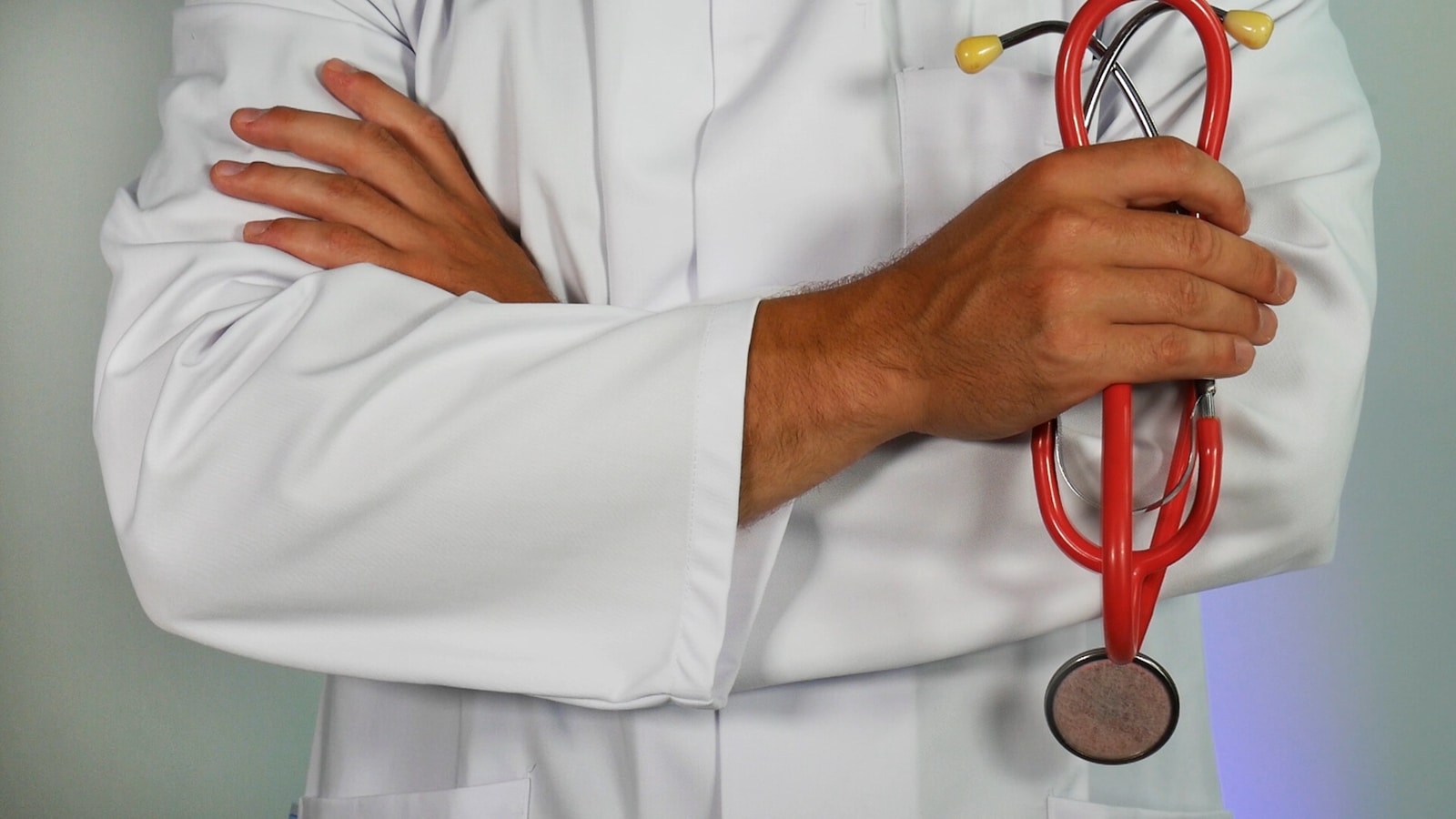
For students staring down a decade of training and six-figure debt, Musk’s message is blunt: do not bother. His pitch is that a wave of humanoid machines, led by Tesla Optimus, will soon be operating with superhuman precision, while AI systems diagnose and plan treatment faster than any human team. Whether that is visionary or reckless depends on how seriously one takes his timeline and how much faith one has in robots in the operating room.
Musk’s three‑year countdown to robot surgeons
Musk has been workshopping this idea in multiple forums, turning what might have been an offhand prediction into a full‑blown thesis about the future of medicine. In a conversation shared in Jan, he said medical school “might be pointless” because AI powered surgical robots like Tesla Optimus are advancing so quickly that they will outclass human clinicians within a few years, a view echoed in clips that highlight Tesla Optimus. He has framed the current system as fundamentally constrained by human learning curves and fatigue, arguing that software can absorb every medical paper and every surgical video, then execute with machine consistency.
The rhetoric has only sharpened. In another Jan discussion, Musk advised against becoming a doctor at all, telling listeners that medical school may soon be pointless as AI systems and robots take over, a stance captured in posts that reference Jan and his push toward automation. During a podcast with Peter Diamandis, he went further, sketching a near future where AI outperforms human doctors across diagnosis and surgery, a conversation that has been clipped and shared with references to Peter Diamandis as a sounding board.
“Everyone will have better care than the president”
At the heart of Musk’s pitch is a sweeping promise about access. He has argued that once AI and robotics mature, “Everyone will have access to medical care that is better than the president,” turning what is now a perk of high office into a baseline expectation for ordinary patients, a line that has been widely quoted in coverage of his three‑year timeline. In his telling, the same kind of mass manufacturing that put advanced driver assistance into midrange cars could put world‑class surgical capability into regional hospitals and even mobile clinics.
That vision lines up with how he talks about Optimus more broadly. Musk has told students that Tesla’s humanoid robots could replace surgeons outright, warning, “Don’t go to med school,” in remarks shared with references to Don and the future of work. He has also described a world where every patient effectively has an “incredible surgeon” on call, an idea neurosurgeons have dissected in detail while quoting Musk (Elon Musk) saying, “Imagine if everyone had access to an incredible surgeon,” in analyses of his Imagine scenario.
Pushback from doctors, ethicists and the “human touch”
Medical professionals are not exactly rushing to cancel their residencies. Bioethicists and surgeons have pointed out that even if humanoid robots like Tesla’s Optimus become technically capable of performing procedures, they still operate inside a messy human system of consent, liability and trust, a reality highlighted in critiques of Musk’s claim that robot surgeons are just three years away. The Tesla and SpaceX CEO may be comfortable betting on rapid iteration, but hospitals still move at the speed of regulation and malpractice insurance.
Ethicists have also stressed that medicine is not just about cutting and stitching. Online reactions to Musk’s warnings that medical school could be “pointless” in a future dominated by AI have emphasized the irreplaceable value of bedside manner, cultural context and long term relationships, themes that surface in coverage of his Elon Musk comments. One widely shared breakdown of his remarks notes that while AI may outperform humans on pattern recognition, the “human touch is irreplaceable,” a phrase that anchors posts arguing that Medical training still matters.
More from Willow and Hearth:
Leave a Reply