When a pet seems to vanish inside a familiar home, it rarely means they have pulled off a magic trick. More often, it is a predictable response to stress, instinct, or illness that humans overlook in the rush of panic. Understanding those patterns turns a frightening disappearance into a solvable puzzle and can be the difference between hours of frantic searching and a calm, targeted response.
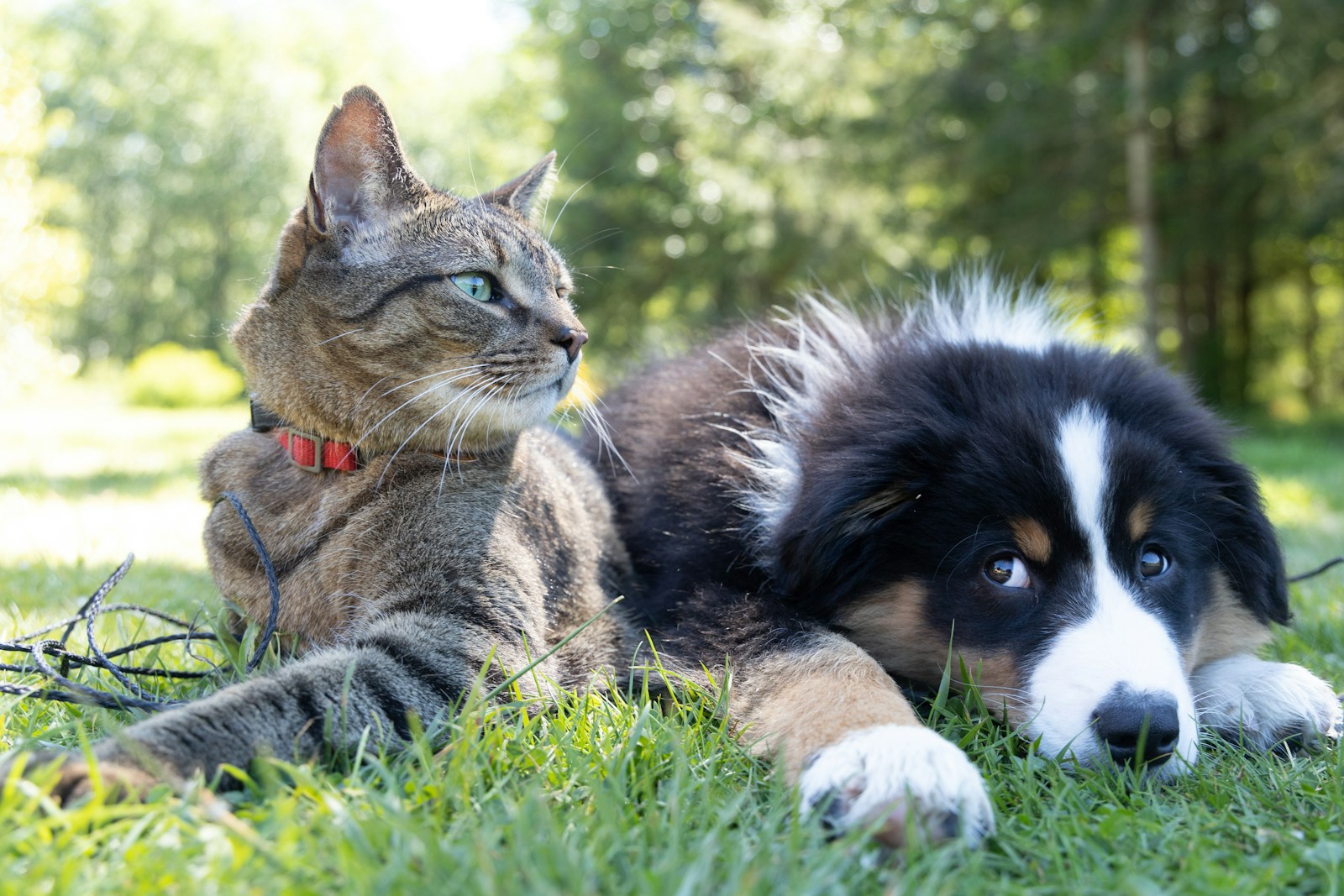
From territorial cats that wedge themselves into box springs to anxious dogs that slip behind appliances, animals follow clear rules about where they hide and why. By decoding those rules, owners can protect their pets, spot health problems earlier, and design homes that feel safe instead of overwhelming.
The Instinct Behind Vanishing Pets
Many disappearances inside the home start with instinct, not misbehavior. Cats, for example, evolved as both hunters and prey, so they are hardwired to seek cover when they feel exposed or uncertain. That dual role means Cats are constantly balancing curiosity with self‑protection, slipping into tight spaces that give them a clear view of the room while keeping their own bodies out of sight. Dogs and small mammals share a similar drive to retreat to dens or burrows, which in a modern living room can translate into the gap behind a couch or the hollow under a bed frame.
Predator and prey instincts also shape how pets respond to sudden changes in their environment. Loud construction outside, a visiting relative, or a new vacuum cleaner can all trigger the same survival script that would once have sent a wild animal into a thicket or underground. Indoors, that script pushes them toward the darkest, quietest corners of the house, where they can monitor threats without being seen. Owners often misread this as stubbornness or aloofness, when it is actually a deeply ingrained safety strategy that explains why animals seem to melt into the walls the moment something feels off.
Territory, Routine, and the Myth of “Random” Hiding
What looks like random hiding usually follows a strict territorial logic. Cats that go outdoors, often described as Outdoor, Access Cats, map their surroundings in layers, from favorite sun spots to emergency bolt‑holes. When an Outdoor, Access Cats individual suddenly vanishes from its usual route, behavior specialists note that something has disrupted that territory, whether it is a new animal, a frightening noise, or a physical barrier. Inside the home, the same territorial mapping applies, with pets favoring specific rooms, furniture, and escape paths that owners may not notice until the animal is missing.
Routine is the glue that holds that territory together. Pets learn when doors open, when appliances switch on, and when humans move from room to room, and they plan their movements around those patterns. A shift in schedule, such as a night shift job or a new baby, can scramble that internal map and send an animal back to its safest known point, often a hidden nook. To a human who expects the pet to be on the couch at 7 p.m., the absence feels sudden and mysterious, but from the animal’s perspective it is a logical retreat to the last place that felt predictable.
Illness, Injury, and the Silent Retreat
One of the most overlooked reasons pets disappear inside the house is that they are sick or hurt and trying to cope quietly. Many species, especially cats, are experts at masking weakness, because in the wild any sign of vulnerability could invite attack. Guidance on lost felines notes that Illness can leave Cats disoriented, less able to navigate, and more likely to crawl into a secluded spot When they feel weak. In a house, that might mean the underside of a dresser, the back of a closet, or even the hollow inside a box spring, places where they can rest without being disturbed.
Veterinarians emphasize that this withdrawal is not just shyness, it is a clinical red flag. Advice on hidden conditions explains that Significance of Care is central to spotting these problems, because Beyond equipment and tests, a vet relies on subtle behavior changes and the pet’s willingness to be handled. When an animal that normally greets people suddenly vanishes under furniture and refuses to come out, that shift can be as important a symptom as a limp or a cough. Owners who treat every disappearance as a possible health issue, rather than just a game of hide‑and‑seek, are more likely to catch serious conditions before they become crises.
Stress, Noise, and the Hidden Cost of Modern Homes
Modern houses are full of sensory shocks that humans tune out but animals cannot. Doorbells, phone alerts, blender motors, and even the low hum of a refrigerator can stack into a constant background of noise. For a pet with sensitive hearing, that soundscape can feel like standing next to traffic all day. Many animals respond by seeking out the quietest, most insulated spaces they can find, which often means disappearing into closets, laundry piles, or the gap between a wall and a heavy appliance. Over time, those retreats can become default hiding spots whenever the household gets loud.
Visual stress plays a role too. Some animals process movement more than static shapes, which means a busy room full of people, screens, and swinging doors can feel chaotic even if nothing is physically touching them. Explanations of motion‑based vision note that for certain species, Their eyes primarily detect movement, so Think of how Our own attention jumps to a flickering light or a waving hand. In a living room with a television, children running, and curtains shifting in the breeze, that constant motion can be overwhelming, pushing a pet to seek out a dark, still corner where nothing seems to lunge into their field of view.
Relationship Rifts: When Hiding Is About People
Not every disappearance is about noise or illness; sometimes it is about trust. Animals are acutely sensitive to human moods and routines, and a strained relationship can send them into hiding even in a physically calm home. Communication specialists who study missing animals point out that Here are patterns where Thes bonds and relationships can sometimes get complicated, leading a pet to avoid certain rooms, people, or times of day. A dog that has been scolded harshly near the front door may start vanishing whenever the owner picks up keys, while a cat that associates a particular chair with being grabbed for medication may stop appearing in that part of the house altogether.
These rifts can deepen if owners misinterpret hiding as defiance and respond with more punishment or frustration. From the animal’s perspective, each negative encounter confirms that emerging from cover is risky, so the safest option is to stay out of sight longer and in more remote corners. Repairing that pattern often requires rebuilding positive associations with the spaces where conflict has occurred, using calm voices, treats, and predictable routines so the pet learns that being visible does not always lead to something unpleasant.
Classic Indoor Hiding Spots Owners Overlook
When a pet vanishes indoors, owners often search the obvious places first: under the bed, behind the couch, inside the favorite cardboard box. Yet real‑world search advice shows that animals are far more inventive. One widely shared checklist urges people to Check in your box springs, open closets, the microwave, washing machine, dryer, refrigerator, freezer, and cabinets, as well as any holes he could have crawled into. These are not hypothetical suggestions; they reflect the reality that a frightened or curious animal can slip into any space that opens even briefly, then stay silent long enough for the door to close behind them.
Vertical spaces are just as important as floor‑level nooks. Cats in particular are drawn to high perches that give them a vantage point over the room, which can include the tops of kitchen cabinets, curtain rails, or the narrow ledge above a door. Small dogs and ferrets may burrow into sofa cushions or the lining of recliners, while rabbits and guinea pigs can wedge themselves behind bookcases or inside the hollow underside of stairs. A systematic search that moves from floor to ceiling, room by room, is far more effective than repeatedly calling a name from the hallway and hoping the pet emerges on its own.
How Pets Use Hiding to Cope With Everyday Life
For many animals, disappearing is not a one‑time emergency response but a daily coping tool. They use hiding to regulate their exposure to stimulation, much as a person might step outside a crowded party for fresh air. Educational material on stress management in animals notes that owners can reduce anxiety by creating approved retreats for cats, such as elevated perches or enclosed beds, and by recognizing that their silence speaks volumes about how safe they feel. Video guidance on why animals withdraw highlights that when pets hide, they are often trying to combat stress rather than simply being antisocial, and that providing predictable, quiet zones can prevent more extreme avoidance later. One widely shared explainer on this topic, for example, urges people to address why pets hide immediately so their silence does not become a long‑term pattern.
When owners respect these coping strategies, hiding can become a healthy part of a pet’s routine rather than a crisis trigger. A cat that has a designated covered bed in a spare room may retreat there during thunderstorms and then rejoin the family once the noise passes, instead of vanishing into the basement ceiling. A dog with a crate that is always open and never used for punishment can choose to rest there when visitors arrive, reducing the risk of fear‑based aggression. The key is to distinguish between predictable, short‑term retreats and sudden, prolonged disappearances that signal something is wrong.
Practical Search Tactics When a Pet “Disappears” Indoors
Once a pet is missing inside the house, panic is understandable, but methodical searching works better than frantic shouting. The first step is to secure all exits so the animal cannot slip outside while people are moving through doors and windows. Next, owners should retrace recent activities: any open appliance, cabinet, or closet is a candidate, especially if it was closed without checking for a stowaway. Turning off loud devices and dimming bright lights can sometimes coax a frightened animal to move or vocalize, revealing their location.
Searchers should then move systematically, starting with the most dangerous spaces. That means checking inside washers, dryers, ovens, and refrigerators before moving on to furniture and storage areas. Tapping on box springs, feeling along the underside of couches, and inspecting the backs of drawers can uncover pets that have squeezed into structural gaps. Scent can help too; placing a favorite blanket or recently worn T‑shirt in the center of a quiet room and stepping away may draw out an anxious animal once the environment feels safe again. Throughout the process, staying calm and using familiar, upbeat phrases is more effective than raising one’s voice, which can drive a nervous pet deeper into hiding.
Designing Homes That Make Pets Feel Seen and Safe
The most effective way to prevent indoor disappearances is to design living spaces with animals in mind. That starts with blocking off truly hazardous gaps, such as the space behind heavy appliances, open access to crawl spaces, and exposed holes in walls or cabinetry. At the same time, owners can deliberately add safe hiding options, like covered beds, cat trees with enclosed cubbies, or low shelves lined with blankets. When pets have clearly defined, comfortable retreats, they are less likely to seek out dangerous or inaccessible spots when startled.
Routine health care and observation are just as important as physical layout. Regular checkups help catch conditions that might cause disorientation or pain, reducing the chance that a pet will crawl away and become stuck somewhere in the house. Paying attention to how often an animal hides, how quickly it reemerges, and whether its patterns change over time can give early warning of stress, illness, or relationship strain. In the end, the mystery of the vanishing pet is usually solved not by luck but by understanding: once owners see the home from the animal’s perspective, those disappearances start to look less like magic and more like messages that deserve a careful, compassionate response.
More from Willow and Hearth:
Leave a Reply